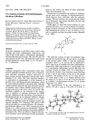
 December 1998 in “Acta Crystallographica Section C-crystal Structure Communications”
 A new compound with strong antiandrogenic effects was found, potentially useful for treating conditions like acne and prostate cancer.
63 citations
,
May 2015 in “PloS one” GALT5 and GALT2 are important for plant growth and development because they help with protein glycosylation.
 18 citations
,
October 2005 in “International Journal of Pharmaceutics”
18 citations
,
October 2005 in “International Journal of Pharmaceutics” Adding a small amount of TPGS to minoxidil can help hair growth, but too much TPGS reduces this effect and increases minoxidil in the blood.
9 citations
,
January 2014 in “Molecular Genetics and Metabolism Reports” The rhg mutation in mice affects the Oat gene, causing hair growth issues and other symptoms.
137 citations
,
December 2006 in “Arthritis Research & Therapy” Mycophenolate mofetil is safer and more effective than cyclophosphamide for treating lupus nephritis.
18 citations
,
March 2010 in “Therapeutic Drug Monitoring” A new method quickly detects alcohol use from hair in under an hour.
5 citations
,
May 2024 in “Molecules” Glycyrrhetinic acid from licorice may help treat acne by reducing inflammation and oil production.
7 citations
,
July 2016 in “Journal of Biomedical Materials Research Part A” cGEL hydrogel improves melanin production in skin cells, making it a promising option for skin treatments.
 9 citations
,
February 2019 in “BMC cancer”
9 citations
,
February 2019 in “BMC cancer” M30 is a promising treatment for preventing hair loss during chemotherapy.
Male and female Gynostemma longipes plants have significant chemical differences.
 13 citations
,
July 2019 in “Toxicology research”
13 citations
,
July 2019 in “Toxicology research” Ethanamizuril is safe for rats at 20 mg/kg feed, but higher doses cause hair loss, organ changes, and liver, kidney, and lung damage.
4 citations
,
August 2024 in “International Journal of Molecular Sciences” EBGS reduces platelet adhesion, potentially helping prevent blood clots.
 72 citations
,
June 2019 in “International Journal of Cosmetic Science”
72 citations
,
June 2019 in “International Journal of Cosmetic Science” 18β-glycyrrhetinic acid from licorice root is good for skin and hair treatments but has absorption challenges.
7 citations
,
March 1990 in “Pigment Cell Research” Certain chemicals cause hair graying in black mice but not yellow mice.
Ethanol and methanol extracts of Spirulina platensis do not kill WiDr colon cancer cells.
38 citations
,
May 1971 in “Clinical genetics” A specific metabolite, not a receptor protein, triggers the production of certain kidney enzymes, but this process is disrupted in mice with a mutation causing testicular feminization.
October 2025 in “Benha Veterinary Medical Journal” Safflower is the most effective in protecting against liver and kidney damage, followed by silymarin and dandelion.
 2 citations
,
October 1990 in “The Lancet”
2 citations
,
October 1990 in “The Lancet” Some people have a genetic variation that makes them less effective at breaking down drugs.
 165 citations
,
February 2014 in “Phytotherapy Research”
165 citations
,
February 2014 in “Phytotherapy Research” Myrtle has various health benefits and potential for medicine development.
143 citations
,
May 2002 in “PubMed” LGD1069 effectively prevents breast tumors in mice without toxicity.
 8 citations
,
July 2018 in “Analytical sciences”
8 citations
,
July 2018 in “Analytical sciences” Using 5-butylpicolinate esters improves the sensitivity and reliability of detecting testosterone and dihydrotestosterone in saliva.
15 citations
,
June 2021 in “International Journal of Molecular Sciences” CMC2.24 and CMC2.23 reduce melanin safely and effectively.
 February 2025 in “Journal of Pharmaceutical and Health Research”
 Arumanis mango rind extract and its fractions can kill breast cancer cells, especially the ethanol extract and ethyl acetate fraction.
 1 citations
,
September 2022 in “Molecules”
1 citations
,
September 2022 in “Molecules” Fructus Malvae may help with diabetes, tumors, and hair loss due to its various active compounds.
September 2018 in “Translational andrology and urology” MOTILIPERM may help treat male infertility by reducing stress in cells.
1 citations
,
October 2024 in “The American Journal of Gastroenterology” Khat use may worsen liver conditions and increase the risk of liver damage.
2 citations
,
January 2022 in “BioMed Research International” Gujian oral liquid reduces osteoarthritis symptoms by targeting inflammation.
115 citations
,
December 1996 in “PubMed” The safe daily selenium intake is up to 819 micrograms.
2 citations
,
February 2022 in “Preprints.org” Fermented red ginseng marc may help treat atopic dermatitis by reducing inflammation and improving skin health.
May 2018 in “Pakistan journal of nutrition” Feeding sheep up to 30% Leucaena leaf meal does not harm their blood metabolites and thyroid hormones.