1 citations
,
January 2004 in “Cosmetics and toiletries” Polyquaternium-64 helps damaged hair look healthy again.
 11 citations
,
March 2009 in “Bioorganic & Medicinal Chemistry Letters”
11 citations
,
March 2009 in “Bioorganic & Medicinal Chemistry Letters” Chemicals called 4-(alkylthio)- and 4-(arylthio)-benzonitrile derivatives can potentially reduce oil production on skin, which could help treat conditions like acne and hair loss.
51 citations
,
May 2008 in “Mycoses” Terbinafine HCl nail solutions with DDAIP HCl are more effective than current treatments for nail infections.
February 2026 in “Journal of Surfactants and Detergents” Potassium monoester maleates can effectively repair damaged hair and improve haircare products.
 August 2018 in “Biomedical Journal of Scientific & Technical Research”
 Treated hair can fight dandruff and odor even after several washes.

Essential oils in a nanoemulsion help hair grow better than minoxidil 2% in mice.
January 2006 in “Benzina: Revista d'excepcions culturals” Trienones are more effective at inhibiting the enzyme linked to hair loss than dienones.
 54 citations
,
January 2013 in “BMC Complementary and Alternative Medicine”
54 citations
,
January 2013 in “BMC Complementary and Alternative Medicine” Thuja orientalis hot water extract may help hair grow by starting the growth phase and improving hair follicle development.
8 citations
,
January 1968 DMSO causes reversible swelling in hair but has a complex, less reversible effect on skin.
February 2019 in “International Journal of Dermatology and Clinical Research” Nε-(carboxymethyl) lysine delays hair growth by blocking a key protein.
 37 citations
,
May 2016 in “JAAD case reports”
37 citations
,
May 2016 in “JAAD case reports” Oral minoxidil shows promise in treating monilethrix-related hair loss.
February 2026 in “ACS Omega” The hydrogel effectively treats oral mucositis by reducing oxidative damage and bacterial infection.
 January 2023 in “International Journal of Research Publication and Reviews”
 Some herbal ingredients like linalool and tea tree oil have anti-dandruff properties and are safe for use in shampoos.

CG2001 is safe and well-tolerated for treating hair loss in men.
 August 2019 in “Journal of The American Academy of Dermatology”
 Bleach baths with 0.005% hypochlorite help manage atopic dermatitis by affecting skin cells and reducing itchiness.
12 citations
,
July 2017 in “International Journal of Cosmetic Science” N‐AOHPA is a promising alternative to traditional surfactants for better hair conditioning.
September 2025 in “Plants” Juniperus morrisonicola wood essential oil has strong anti-inflammatory and antifungal properties.
 34 citations
,
September 1985 in “Contact Dermatitis”
34 citations
,
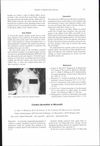
September 1985 in “Contact Dermatitis” Minoxidil can cause skin irritation like eczema and rash in some users.
 January 2018 in “International journal for pharmaceutical research scholars”
 Meniran extract hair tonic may stimulate hair growth in rats, with the version containing 1% menthol being more effective.
 October 2025 in “Clinical Cosmetic and Investigational Dermatology”
 SP treatment improves hair health and moisture retention better than water treatment.
July 2026 in “Journal of the Kenya National Commission for UNESCO” Synthetic braiding hair in Kisii Town contains formaldehyde, posing health risks.
November 1968 in “Journal of the American Pharmaceutical Association”  March 2026 in “DergiPark (Istanbul University)”
 Biotinoyl tripeptide-1 nanoparticles protect hair from heat damage.
 26 citations
,
November 2002 in “Planta medica”
26 citations
,
November 2002 in “Planta medica” Extracts from Cercidiphyllum japonicum wood can stimulate mouse hair cell growth like common hair growth treatments.
10 citations
,
July 2022 in “Electronic Journal of Biotechnology” Lower IGFBP4 promoter methylation is linked to finer wool in sheep.
3 citations
,
January 2014 Green tea extract hair tonic is stable at room temperature, promotes hair growth better than minoxidil, and is safe for use.
7 citations
,
December 1970 in “Biochimica et Biophysica Acta (BBA) - Protein Structure”  September 2024 in “Journal of Skin and Stem Cell”
 MMP® with minoxidil may improve hair growth in chronic telogen effluvium.
 March 2010 in “International Journal of Cosmetic Science”
 Disulfide bonds affect the melting behavior of hair's crystalline structure, but hair retains some stability even after these bonds are broken.
November 2004 in “Qucosa (Saxon State and University Library Dresden)” Active agents mainly stay on the hair surface after short washes.