 February 2024 in “Digital Library of Theses and Dissertations (Universidade de São Paulo)”
 Argan, avocado, and coconut oils are absorbed into hair, improving hydration and protection.
 January 2011 in “Reactions Weekly”
 Long-term use of minoxidil may cause hair follicles to transform into noticeable terminal hairs, leading to trichostasis spinulosa.
 January 2026 in “Zenodo (CERN European Organization for Nuclear Research)”
 The polyherbal shampoo effectively treats dandruff and is a safe, natural option.
July 2022 in “Journal of Investigative Dermatology” The new minoxidil hydrogel is a promising alternative for hair loss treatment, with similar effectiveness and less skin irritation.
 October 2018 in “Springer eBooks”
 The document concludes that various topical medications are effective for skin conditions but often cause skin irritation as a side effect.
July 2025 in “Colloids and Surfaces B Biointerfaces” A new method using hyaluronic acid liposomes improves Minoxidil's effectiveness and safety for hair growth treatment.
 June 2024 in “Georgetown Scientific Research Journal”
 Bleomycin injections in mice cause skin thickening and hair loss.
 May 2026 in “Zenodo (CERN European Organization for Nuclear Research)”
 Ziziphus mauritiana and Black Seed Oil are effective and safe natural alternatives for hair care.
 May 2026 in “Zenodo (CERN European Organization for Nuclear Research)”
 Ziziphus mauritiana and Black Seed Oil are effective and safe natural alternatives for hair care.
 April 2025 in “Tropical Journal of Natural Product Research”
 The optimized Moringa seed oil nanoemulsion may help with hair growth.
 13 citations
,
December 2010 in “Archives of Dermatology”
13 citations
,
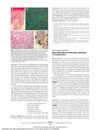
December 2010 in “Archives of Dermatology” Minoxidil use can cause trichostasis spinulosa in long-term hair loss patients.
 January 2024 in “International Journal of Cosmetic Science”
 A new method using 1,4-n-butylene dimaleate effectively repairs and strengthens damaged hair.
 1 citations
,
February 2022 in “Biological Trace Element Research”
1 citations
,
February 2022 in “Biological Trace Element Research” The combination of Arginine Silicate Inositol Complex and a new form of Biotin improved hair and nail growth in rats.
 45 citations
,
August 2011 in “Journal of Microencapsulation”
45 citations
,
August 2011 in “Journal of Microencapsulation” Chitosan microparticles improve minoxidil sulphate delivery, potentially reducing daily applications.
 December 2023 in “Journal of molecular structure”
 Hair treatments and dehydration affect hair's lipid and protein behavior, influencing its flexibility and appearance.
 3 citations
,
November 2011 in “European Journal of Dermatology”
3 citations
,
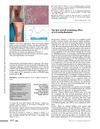
November 2011 in “European Journal of Dermatology” 4-O-methylhonokiol from Magnolia officinalis significantly promotes hair growth.
 January 2026 in “Zenodo (CERN European Organization for Nuclear Research)”
 The herbal hair wax stick is a safe and effective natural alternative to synthetic styling products.
October 2021 in “International Journal of Cosmetic Science”  2 citations
,
January 2018 in “The Korea Journal of Herbology”
2 citations
,
January 2018 in “The Korea Journal of Herbology” A herbal extract can boost hair growth and pigmentation like minoxidil.
7 citations
,
June 2012 in “Journal of dairy science” Bovine milk fats applied to mouse skin can promote hair growth similar to known hair growth treatments.
 18 citations
,
October 2005 in “International Journal of Pharmaceutics”
18 citations
,
October 2005 in “International Journal of Pharmaceutics” Adding a small amount of TPGS to minoxidil can help hair growth, but too much TPGS reduces this effect and increases minoxidil in the blood.
 1 citations
,
January 2015 in “Journal of Society of Cosmetic Chemists of Japan”
1 citations
,
January 2015 in “Journal of Society of Cosmetic Chemists of Japan” Keratin film can effectively measure hair texture and adsorption properties.
September 2020 in “International journal of current pharmaceutical research” Tea tree oil cream effectively reduces hair growth.
 1 citations
,
March 2022 in “International Journal of Nutrology”
1 citations
,
March 2022 in “International Journal of Nutrology” Myo-inositol improves fertility and metabolic health in PCOS with fewer side effects than metformin.
 1 citations
,
December 2022 in “Journal of applied biological chemistry”
1 citations
,
December 2022 in “Journal of applied biological chemistry” TRP-hair essence protects hair from heat damage, maintains color, and strengthens hair.
12 citations
,
September 1982 in “Journal of Investigative Dermatology”  October 2023 in “International Journal of Pharmaceutics”
 Using minoxidil with tocopherol acetate in ethosomes improves hair regrowth in hair loss treatment.
April 2023 in “Journal of Drug Delivery Science and Technology” The new minoxidil gel improves hair growth and reduces skin irritation.
 September 2023 in “Jurnal MIPA (edisi elektronik)”
 Lime extract can be used to make a stable hair tonic with beneficial compounds.
![[4-t-Butylphenyl]-N-(4-imidazol-1-yl phenyl)sulfonamide (ISCK03) Inhibits SCF/c-kit Signaling in 501mel Human Melanoma Cells and Abolishes Melanin Production in Mice and Brownish Guinea Pigs](/images/assets/4eb017dc-711d-4926-bcd0-c3b8f48e3a99/small/19974.jpg) 26 citations
,
July 2007 in “Biochemical Pharmacology”
26 citations
,
July 2007 in “Biochemical Pharmacology” ISCK03 stops melanin production in human melanoma cells and lightens skin color in mice and guinea pigs.