February 2026 in “iScience” Hair metal analysis may help diagnose Parkinson's disease and suggests gut involvement.
 January 2024 in “Wiadomości Lekarskie”
 Alzheimer's may be treated by targeting gut bacteria and inflammation.
 December 2024 in “African Journal of Biomedical Research”
 Combining lifestyle changes and medication is most effective for managing PCOS symptoms.
 August 2025 in “Archiv Euromedica”
 Gut microbiota changes might play a role in alopecia areata, and microbiome-targeted treatments show promise.
 11 citations
,
February 2021 in “Biomedicines”
11 citations
,
February 2021 in “Biomedicines” Bacteria in our hair can affect its health and growth, and studying these bacteria could help us understand hair diseases better.
 October 2025 in “Scientia Generalis”
 Balancing gut bacteria may help prevent and treat certain types of hair loss.
 June 2026 in “Frontiers in Allergy”
 SSD patients have unique allergen sensitivities linked to skin and microbiota changes.
 January 2023 in “Discovery immunology”
 T cells and bacteria in the gut and skin help maintain health and protect against disease.
 65 citations
,
October 2018 in “Frontiers in cellular and infection microbiology”
65 citations
,
October 2018 in “Frontiers in cellular and infection microbiology” Certain bacteria and fungi are linked to healthy scalps and dandruff, suggesting that the scalp's microbial balance affects its health.
 13 citations
,
January 2022 in “Advances in Dermatology and Allergology”
13 citations
,
January 2022 in “Advances in Dermatology and Allergology” Alopecia areata may be linked to imbalanced gut bacteria.
 April 2024 in “Frontiers in cellular and infection microbiology”
 Blue light might help treat skin conditions by affecting the skin's bacteria.
 134 citations
,
January 2019 in “American journal of clinical dermatology”
134 citations
,
January 2019 in “American journal of clinical dermatology” Antibiotics can reduce acne but may lead to resistant bacteria, and understanding the skin's bacteria is important for treatment.
 2 citations
,
November 2023 in “Frontiers in microbiology”
2 citations
,
November 2023 in “Frontiers in microbiology” The health of the gut may be important in developing new ways to prevent, diagnose, and treat alopecia areata.
 4 citations
,
April 2021 in “Experimental Dermatology”
4 citations
,
April 2021 in “Experimental Dermatology” Antibiotics might affect hair growth by changing the bacteria in hair follicles.
 47 citations
,
March 2022 in “Frontiers in cellular and infection microbiology”
47 citations
,
March 2022 in “Frontiers in cellular and infection microbiology” Changes in skin microbes play a role in some skin diseases and could lead to new treatments.
 37 citations
,
September 2018 in “Psychoneuroendocrinology”
37 citations
,
September 2018 in “Psychoneuroendocrinology” Finasteride treatment in male rats causes long-lasting effects on depression-like behavior, brain cell growth, inflammation, and gut bacteria composition.
 17 citations
,
September 2020 in “Journal of Endocrinological Investigation”
17 citations
,
September 2020 in “Journal of Endocrinological Investigation” Post-finasteride patients show changes in gut bacteria, possibly causing various symptoms.
 2 citations
,
August 2020 in “International Journal of Cosmetic Science”
2 citations
,
August 2020 in “International Journal of Cosmetic Science” Lindera strychnifolia root extract may help balance scalp bacteria and potentially reduce hair loss.
 1 citations
,
December 2025 in “Frontiers in Endocrinology”
1 citations
,
December 2025 in “Frontiers in Endocrinology” Gut microbiota may significantly influence polycystic ovary syndrome.
 October 2025 in “International Journal of Nutrology”
 Improving gut health can enhance skin health and aid in treating skin diseases.
 December 2023 in “Frontiers in microbiology”
 Mannan oligosaccharides improve raccoon dogs' fur quality and overall health.
 September 2023 in “Clinical, cosmetic and investigational dermatology”
 SLFC can improve scalp health and reduce sensitive scalp symptoms.
 November 2022 in “Journal of Education, Health and Sport”
 The skin's bacteria might influence the development of a hair loss condition called alopecia areata.
Changes in skin bacteria can affect hair loss and new treatments targeting these bacteria may prevent balding without sexual side effects.
 July 2023 in “Research Square (Research Square)”
 Certain gut bacteria may protect against alopecia areata, while others may increase the risk.
Certain gut microbes are linked to better health in 14 conditions.
 July 2024 in “Frontiers in Microbiology”
 Data-driven methods can help understand microbiota's role in diseases and develop personalized treatments.
 January 2025 in “Journal of Veterinary Medical Science”
 Environmental conditions can affect toxic mineral levels and gut bacteria in working dogs.
 47 citations
,
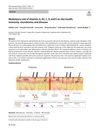
September 2023 in “Pharmacological Reports”
47 citations
,
September 2023 in “Pharmacological Reports” Vitamins A, B3, C, D, and E can improve skin health and immunity.
 14 citations
,
January 2020 in “International Journal of Biological Sciences”
14 citations
,
January 2020 in “International Journal of Biological Sciences” Ranitidine and finasteride lower TMAO levels, reducing heart and kidney damage by changing gut bacteria.