May 2019 in “Clinica chimica acta” The study developed methods to measure biomarkers in mice and found differences in hormone levels linked to gut microbiota diversity and stress response.
 5 citations
,
April 2023 in “BMC Microbiology”
5 citations
,
April 2023 in “BMC Microbiology” Shampoo with heat-killed Lacticaseibacillus paracasei GMNL-653 improves scalp health and hair growth by changing scalp bacteria.
 July 2023 in “Institutional Repositories DataBase (IRDB)”
 Malassezia species may contribute to hair loss in AGA patients.
 August 2025 in “Frontiers in Microbiology”
 Microneedling, especially with halometasone, improves hair regrowth and gut health in alopecia areata.
 2 citations
,
October 2010 in “Reviews in Medical Microbiology”
2 citations
,
October 2010 in “Reviews in Medical Microbiology” Syphilis is becoming more common and remains a major health problem due to challenges in prevention and treatment.
1 citations
,
January 2025 in “Journal of Cosmetic Dermatology” Maintaining a balanced scalp microbiome can help reduce itchiness.

TrichoFoam™ is a stable option for personalized hair loss treatment with most ingredients remaining effective for 90-180 days.
June 2020 in “Zenodo (CERN European Organization for Nuclear Research)” The Araz River is clean in Turkey but polluted near Armenia.
 20 citations
,
February 2013 in “Nutrition”
20 citations
,
February 2013 in “Nutrition” Selenium-enriched green tea might be a safe prebiotic for gut health.
Four bacteria from the lab were found to be resistant to selenium.
February 2026 in “iScience” Hair metal analysis may help diagnose Parkinson's disease and suggests gut involvement.
185 citations
,
January 2010 in “Experimental Dermatology” Probiotics may help reduce stress-related skin issues and improve hair growth.
37 citations
,
April 2021 in “Nutrients” Berberine and curcumin may help reduce obesity by improving gut bacteria and liver health.
4 citations
,
March 2022 in “BioEssays” Hydra can help understand human hair follicle microbiomes and develop new skin disease therapies.
2 citations
,
November 2024 in “Journal of Clinical Medicine” Vitamin D3 deficiency can worsen psoriasis by promoting Candida overgrowth.
2 citations
,
February 2024 in “International journal of molecular sciences” Gut health affects skin diseases, and probiotics might help.
February 2025 in “Skin Research and Technology” New non-invasive techniques can improve diagnosis and treatment of scalp and hair diseases.
 January 2025 in “Dermatologic Therapy”
 Targeting multiple pathways may improve treatments for androgenetic alopecia.
December 2024 in “Medicina” PCOS is linked to chronic low-grade inflammation, but the role of certain infections is unclear.
March 2024 in “Nutrients” Alopecia Areata is linked to specific gut bacteria and metabolites, indicating a complex gut microbiome.
February 2014 in “Cancer Research” Recent findings advanced understanding of cancer mechanisms and potential treatments.
1 citations
,
July 2024 in “Australasian Journal of Ultrasound in Medicine” Cutaneous ultrasound is a useful tool for diagnosing and assessing inflammation in tinea capitis.
 October 2020 in “Journal of bio innovation”
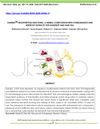
 DanEraTM hair tonic effectively treats dandruff and hair fall using natural ingredients.
May 2020 in “The Journal of Pediatrics” Tinea capitis can be quickly diagnosed and treated using dermoscopy to prevent hair damage.
 September 2016 in “Archives of Pediatric Infectious Diseases”
 A young girl developed serious bone inflammation in her skull after a skin graft, which is a rare but severe condition.
 53 citations
,
April 2021 in “Cell Host & Microbe”
53 citations
,
April 2021 in “Cell Host & Microbe” Skin bacteria, specifically Staphylococcus aureus, help in wound healing and hair growth by using IL-1β signaling. Using antibiotics on skin wounds can slow down this natural healing process.
49 citations
,
October 2024 in “Frontiers in Immunology” Polysaccharides boost immunity and could help prevent and treat diseases.
 47 citations
,
June 2012 in “Genes & Development”
47 citations
,
June 2012 in “Genes & Development” A mother's western diet can make her milk toxic, causing inflammation and hair loss in babies.
43 citations
,
July 2024 in “Nutrients” A balanced diet with essential micronutrients is crucial for healthy thyroid function.
15 citations
,
October 2024 in “Nutrients” A plant-based diet and certain probiotics may improve skin health and reduce inflammation.