Search
for
Sort by
Research
240-270 / 1000+ resultsresearch Nanotribological characterization of human hair and skin using atomic force microscopy
The research improved understanding of hair and skin properties across different ethnicities and conditions.

research Sample preparation protocol for cross-sectional microscopy of hair fibers v1
The document describes a method for preparing hair for microscopy by embedding it in plastic, cutting it, and storing it cold before imaging.
research Quantifying Polymer Deposition on Hair Fibers by Microfluorometry
Microfluorometry effectively measures how much polymer coats and penetrates hair, useful for evaluating hair products.
research Delipidisation of wool fibres and the subsequent beneficial properties of delipidised wool fibres
Delipidised wool is brighter, dyes better, and is more eco-friendly.
research Development of a DNA-analytical Method for the Identification of Animal Hair Fibers in Textiles
Researchers developed a new method to identify animal hair in textiles, which is effective for various fibers and more reliable than previous methods.
research Nucleation and growth of macrofibrils in trichocyte (hard-α) keratins
Sheet formation is key to macrofibril structure differences in wool.

research Comparison of wiping methods for the removal of cleaning agent residue from hair follicles
All wiping methods are as effective as washing for removing cleaning agent from hair.

research Adsorption of Diclofenac and PFBS on a Hair Keratin Dimer
Human hair keratin might be good for filtering out harmful substances from water.
research Cellular Debris in the Grease of Wool Fibers
Cellular debris sticks to damaged wool fibers and affects wool cleanliness.
research A Portable Electrospinner for Nanofiber Synthesis and Its Application for Cosmetic Treatment of Alopecia
A portable device can create nanofibers to improve the appearance of thinning hair better than commercial products.
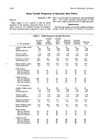
research Some Tensile Properties of Specialty Hair Fibers
Animal hair fibers like wool and mohair are strong when dry, but vicuna fibers are very brittle.
research Multiphoton microscopic imaging of in vivo hair mouse skin based on two‐photon excited fluorescence and second harmonic generation
Multiphoton microscopy effectively images mouse skin layers and structures.
research Tannic acid-functionalized 3D porous nanofiber sponge for antibiotic-free wound healing with enhanced hemostasis, antibacterial, and antioxidant properties
The sponge heals wounds without antibiotics and has strong antibacterial and antioxidant properties.
research Flexabrasion Applied to the Evaluation of the Photodegradation of Hair Fibers
research Effects of Hair Fibers on Braking Friction Materials
Adding 1% hair fibers to brake materials improves friction and wear, making them more effective.
research Research Advances in Electrospun Nanofiber Membranes for Non-Invasive Medical Applications
Electrospun nanofiber membranes are promising for non-invasive medical uses like tissue repair and health monitoring.
research Optimum Preparation Conditions for Highly Individualized Chitin Nanofibers Using Ultrasonic Generator
Using ultrasonication at 45 kHz for 30 minutes is an efficient, low-cost way to produce high-quality chitin nanofibers from crab shells.
research Mechanically Robust MXene‐Metal Polyphenol Network Hybrid Interfaces for Multifunctional Protection of Keratin Fibers
The new coating protects and strengthens hair while improving its properties.
research Analysis of cosmetic residues on a single human hair by ATR FT-IR microspectroscopy
Cosmetic residues on individual hairs can be identified and differentiated using ATR FT-IR microspectroscopy.
research Electron microscopy-image analysis: Quantification of ultrastructural changes in hair fiber cross sections as a
research Chiton integument: Ultrastructure of the sensory hairs of Mopalia muscosa (Mollusca: Polyplacophora)
research Characterization of the mechanical properties of the cortex region of human hair fibers by multiparametric Atomic Force Microscopy mapping
Atomic Force Microscopy is a more accurate way to assess hair damage and the effect of cosmetic treatments.
research Macrofibril Formation
research Fluorescence Microscopy Study of the Sorption of Cationic Polymers on Hair
Polymer JR400 sticks to hair but washes off with detergent.

research Microflora and grease fleece of normal and felted wool sheep of Ukrainian Carpathian Mountain breed
Felted wool in these sheep has more sweat and bacteria, altering its fatty acids and making it more prone to felting.
research Biomaterials with droplet microfluidics
Droplet microfluidics can precisely create microgels for advanced bioengineering uses.
research A sandwich-like silk fibroin/polysaccharide composite dressing with continual biofluid draining for wound exudate management
The new dressing speeds up wound healing better than current options.
research Electrostatic And Dielectric Measurements For Hair Building Fibers From Dc To Microwave Frequencies
Different hair fiber brands have unique electrostatic and dielectric properties.

research MIL-88A derived zerovalent iron embedded mesoporous carbon with carbon black composite based electrochemical sensor for the detection of metol
The new sensor can detect a toxic chemical in water with high sensitivity and accuracy.