63 citations
,
December 1998 in “Biochimica et Biophysica Acta (BBA) - Protein Structure and Molecular Enzymology” The study improved understanding of keratin fiber structure by showing consistent microfibril diameter but varying distances and electron density profiles.
15 citations
,
December 2013 in “Clinical Cosmetic and Investigational Dermatology” MAGP-1 decreases with age, leading to weaker, sagging skin.
2 citations
,
August 1987 in “Analytical Biochemistry” A new method isolated previously undetected hair proteins rich in glycine and tyrosine.
 September 2023 in “Journal of Natural Fibers”
 Drying hair with a microfiber towel better maintains hair strength and structure than using a cotton towel or blow-drier.
 191 citations
,
November 1959 in “Annals of the New York Academy of Sciences”
191 citations
,
November 1959 in “Annals of the New York Academy of Sciences” Hair and wool have complex microscopic structures with microfibrils and varying cystine content.
70 citations
,
June 1998 in “Polymer” Permanent waving damages hair by disrupting its keratin structure.
30 citations
,
April 2009 in “Mycoses” Microsporum gypseum fungus breaks down keratin in hair by digesting it enzymatically, starting with less keratinized parts.
21 citations
,
June 2002 in “International Journal of Cosmetic Science” Advancements in hair keratin research could lead to better hair health treatments.
20 citations
,
January 1997 in “Dermatology” The patient with EEC syndrome had scarring alopecia due to deep folliculitis, possibly linked to abnormal hair structure.
 19 citations
,
January 2009 in “International review of cell and molecular biology”
19 citations
,
January 2009 in “International review of cell and molecular biology” Hair's strength and flexibility come from its protein structure and molecular interactions.
11 citations
,
January 1977 in “Archives of dermatological research” Mouse tail skin has different keratinization near hair follicles and scales.
8 citations
,
February 2002 in “Journal of Medical Genetics” Skin changes can indicate a risk for breast cancer.
7 citations
,
April 2020 in “Applied Sciences” Ultrasound helps create gels that speed up tissue formation.
 3 citations
,
January 2007 in “Journal of health science”
3 citations
,
January 2007 in “Journal of health science” The enzymatic method can effectively identify chemical treatments on hair.
1 citations
,
January 1997 in “Skin Pharmacology and Physiology” Premature infants have less elastic hair than full-term infants.
 May 2026 in “Journal of Health Sciences and Medicine”
 Biotinoyl tripeptide-1 nanoparticles effectively protect hair from heat damage.
 March 2026 in “DergiPark (Istanbul University)”
 Biotinoyl tripeptide-1 nanoparticles protect hair from heat damage.
November 2024 in “Biophysical Chemistry” Hair structure changes immediately during perm treatment, with initial damage partially restored later.
Oxidized hair can naturally regain strength and stability over six months.
 January 2013 in “Sen'i Gakkaishi”
 Microfibrils are key for permanent waves, and hydrolyzed keratin improves wave formation and hair condition.
 July 2010 in “Journal of Investigative Dermatology”
 Scientists found gene mutations that affect hair loss, skin stem cells, and skin disorders, and identified drugs that may help treat blood vessel and skin conditions.
 January 2007 in “Sen'i Gakkaishi”
 Mf-rich hair degrades more than Ma-rich hair, especially with Proteinase K.
 June 2022 in “International Journal of Biomedicine”
 Erbium YAG laser treatment, combined with conventional therapy, can effectively reduce hair loss and promote hair growth in men with androgenetic alopecia.
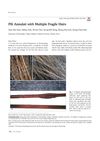 4 citations
,
January 2017 in “Annals of Dermatology”
4 citations
,
January 2017 in “Annals of Dermatology” Frequent hairdryer use may worsen hair fragility in people with Pili Annulati.
39 citations
,
January 1979 in “Journal of the Society of Cosmetic Scientists of Korea” Surfactants can protect or harm hair, skin, and nails, depending on their type and use.
 2 citations
,
December 2022 in “PÄDI Boletín Científico de Ciencias Básicas e Ingenierías del ICBI”
2 citations
,
December 2022 in “PÄDI Boletín Científico de Ciencias Básicas e Ingenierías del ICBI” Bioceramic and biopolymer composites are promising for advanced wound care, promoting healing and cell growth.
69 citations
,
January 2009 in “Advances in Materials Science and Engineering” Wool keratin is reactive, biocompatible, biodegradable, and can model keratin from other sources.
4 citations
,
January 1981 in “PubMed” Hair medullary cells in mammals vary in complexity, with humans having more structured cells similar to inner root sheath cells.

Polarized microscopy helps identify hair irregularities in genetic disorders.

Curly hair may be caused by a muscle contraction, and muscle relaxants might help treat it.