 June 2021 in “Research Square (Research Square)”
 Melatonin can increase cashmere yield by altering gene expression and restarting the growth cycle early.
 April 2021 in “Journal of Investigative Dermatology”
 Leontopodium alpinum extract may help reduce hair shedding by keeping hair in the growth phase longer.
 January 2021 in “Research Square (Research Square)”
 Rabbits with high wool production have more hair follicles, influenced by specific long noncoding RNAs.
Plant roots respond to fungus smells by possibly using certain proteins and a plant hormone to change root growth, but more research is needed.
 January 2021 in “ABC Heart Failure & Cardiomyopathy”
 A 90-year-old man was diagnosed with heart failure due to wild-type transthyretin cardiac amyloidosis.
 September 2020 in “Research Square (Research Square)”
 Long noncoding RNAs help regulate hair follicle density in rabbits.
 July 2020 in “Scholars journal of applied medical sciences”
 Sodium valproate caused vomiting, hair loss, loss of appetite, abdominal pain, weight gain, and anemia in young children with epilepsy.

Enhanced stem cells from the placenta can reduce fat cell formation in eye disease.
 May 2020 in “Research Square (Research Square)”
 Researchers found four key stages of cell development that are important for hair growth and shedding in cashmere goats.
 April 2020 in “Research Square (Research Square)”
 Exosomes from stem cells help wounds heal faster by affecting specific cell signals.
 January 2019 in “Springer Reference Medizin”
 Follicle Stimulating Hormone is important for fertility.
 April 2018 in “bioRxiv (Cold Spring Harbor Laboratory)”
 A gene variant causes patched hair loss in mice, similar to alopecia areata in humans.
 January 2018 in “Stem cell biology and regenerative medicine”
 The nucleus is key in controlling skin growth and repair by coordinating signals, gene regulators, and epigenetic changes.
 January 2018 in “Stem cells in clinical applications”
 Exosomes show promise for tissue repair and regeneration with advantages over traditional cell therapies.
 September 2017 in “Journal of Investigative Dermatology”
 The Siah1 and Siah2 genes are active in mouse skin development and hair growth, especially right after birth.
 September 2017 in “Journal of Investigative Dermatology”
 The study found that sweat glands normally suppress immune responses, but this is disrupted in certain skin diseases, possibly contributing to their development.
 September 2017 in “Journal of Investigative Dermatology”
 Researchers created human cells that can turn into sebocytes, which may help study and treat skin conditions like acne.
 January 2017 in “Elsevier eBooks”
 Antioxidants may help improve mitochondrial health and could be used to treat diseases related to cell damage.
 November 2016 in “Endocrinology&Metabolism International Journal”
 PCOS has no cure, but treatments can manage symptoms and improve health.
Low-level laser therapy may help stem cells grow and function better, aiding in healing and tissue repair.
 April 2015 in “Andrology”
 HNG may help prevent the negative effects of chemotherapy on sperm production and white blood cell counts.
 March 2014 in “Journal of The American Academy of Dermatology”
 The document lists various dermatology topics, treatments, and diagnostic methods.
 September 2013 in “Science”
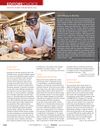
 Undergraduate research experiences boost students' research skills, confidence, and career aspirations.
 September 2013 in “Science”
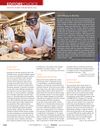
 Certain astrocytes can protect the brain and improve recovery after a stroke, and a hair loss drug might reduce cancer spread.
 September 2013 in “Science”
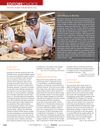
 Human stem cells can aid stroke recovery, research experiences boost students' career aspirations, minoxidil may reduce cancer spread, a molecule can slow tumor growth, a protein affects water flow in cells, magnesium behaves differently at tiny scales, and a new method detects slow-moving objects.
 September 2013 in “Science”
 Special astroglia cells improved stroke recovery in rats, a hair growth drug reduced cancer spread, and tiny magnesium structures were more easily shaped.
 September 2013 in “Science”
 Special astrocytes improved learning and memory in rats after a stroke.
 September 2013 in “Science”
 Transplanted human Olig2+ astroglia may help improve learning and memory after a stroke.
 January 2013 in “Dermatology”
 The ILDS Newsletter reported on efforts to support albinism patients in Tanzania and dermatological conferences.

Higher cholesterol levels increase aggressive prostate cancer risk.