August 2025 in “BMC Research Notes” iPSC lines from different tissues share a common miRNA profile, supporting their pluripotent nature.
July 2025 in “Biochimica et Biophysica Acta (BBA) - Molecular Cell Research” MicroRNA-22-3p hinders hair regrowth in male pattern baldness by affecting a specific protein.
May 2025 in “Preprints.org” Unique microRNA patterns can help diagnose and treat severe alopecia areata.
 January 2023 in “Annals of dermatology/Annals of Dermatology”
 A substance called miR-1246 may help treat severe hair loss by reducing certain immune cell activities.
 December 2022 in “bioRxiv (Cold Spring Harbor Laboratory)”
 MicroRNA-205 helps hair grow by changing the stiffness and contraction of hair follicle cells.
 July 2018 in “Benha Journal of Applied Sciences”
 Higher levels of miR-203 may contribute to hair loss in alopecia areata.
MicroRNA miR-22 causes hair loss by making hair follicles regress early.
7 citations
,
March 2024 in “Non-coding RNA Research” DNA methylation of miR-365-1 causes hair follicle stem cell death by affecting DAP3.
4 citations
,
January 2023 in “Skin Appendage Disorders” Changes in certain RNA and protein levels may contribute to alopecia areata and could be treatment targets.
1 citations
,
January 2026 MicroRNA-200 prevents sebaceous gland development by inhibiting SOX9 and cell cycle progression.
 September 2022 in “PubMed”
 Collagen type XVII α1 decreases with age, leading to skin aging, but targeting microRNA-203b-3p may help maintain its levels and improve skin health.
MIR135b affects wound healing by targeting genes, and PDRN may help heal wounds by altering this pathway.
 1 citations
,
January 2021 in “Pakistan journal of zoology”
1 citations
,
January 2021 in “Pakistan journal of zoology” Red fox, golden jackal, and gray wolf hairs have similar features but differ in length, thickness, and inner structure.
 71 citations
,
January 2019 in “International journal of biological sciences”
71 citations
,
January 2019 in “International journal of biological sciences” Exosomes from dermal papilla cells help hair growth by making hair follicle stem cells multiply and change.
 39 citations
,
July 2013 in “Journal of dermatological science”
39 citations
,
July 2013 in “Journal of dermatological science” Hair microRNAs could be effective biomarkers for diagnosing scleroderma.
33 citations
,
December 2017 in “Saudi Journal of Biological Sciences” Certain microRNAs are crucial for hair follicle development in cashmere goats.
 16 citations
,
April 2022 in “PLoS ONE”
16 citations
,
April 2022 in “PLoS ONE” Certain microRNAs found in normal cells can effectively suppress various cancers.
 5 citations
,
April 2024 in “bioRxiv (Cold Spring Harbor Laboratory)”
5 citations
,
April 2024 in “bioRxiv (Cold Spring Harbor Laboratory)” Aging skin shows thinner layers, fewer hair follicles, and new biomarkers like increased space between cells and smaller sebaceous glands.
July 2025 in “Preprints.org” Specific miRNA profiles can help diagnose and treat alopecia areata.
 December 2023 in “Regenerative therapy”
 miRNA-based therapies show promise for treating skin diseases, including hair loss, in animals.
20 citations
,
January 1995 in “Cells tissues organs” Changing light periods synchronized wool growth cycles in sheep.
15 citations
,
February 2000 in “Journal of Cutaneous Pathology” The arrector pili muscle attaches to the extracellular matrix using α5β1 integrin and connects muscle cells using α1β1 integrin.
1 citations
,
October 2023 in “Heliyon” An infant with Hutchinson-Gilford Progeria Syndrome had successful surgery to fix breathing issues caused by a new genetic mutation.
Copper levels in green hair decreased significantly after treatment.
5 citations
,
April 2024 in “Journal of Ovarian Research” miR-21 helps improve ovarian function recovery in treated mice.
1 citations
,
January 2016 in “Journal of Clinical & Experimental Dermatology Research” 35 citations
,
January 2000 in “Journal of comparative neurology” Rat vibrissae have sensory terminals with specific structures that help detect hair movements.
10 citations
,
January 1985 in “PubMed” Trace elements like calcium, iron, and zinc are unevenly distributed in hair, while sulfur is even, and increased phosphorus and potassium levels are linked to skin reactions.
10 citations
,
January 1980 in “Ultrastructural pathology” Green hair has high copper levels due to contaminated water and damaged hair cuticles.
 4 citations
,
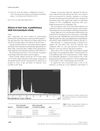
February 2007 in “Journal of the European Academy of Dermatology and Venereology”
4 citations
,
February 2007 in “Journal of the European Academy of Dermatology and Venereology” The study suggests silicon might be important for healthy hair, as less silicon was found in people with hair loss.