 29 citations
,
March 2019 in “JEADV. Journal of the European Academy of Dermatology and Venereology/Journal of the European Academy of Dermatology and Venereology”
29 citations
,
March 2019 in “JEADV. Journal of the European Academy of Dermatology and Venereology/Journal of the European Academy of Dermatology and Venereology” Older age at onset of alopecia areata leads to less severe and shorter episodes, with most patients experiencing significant hair regrowth.
 5 citations
,
July 2020 in “Journal of the American Academy of Dermatology”
5 citations
,
July 2020 in “Journal of the American Academy of Dermatology” Adding antihistamines to topical corticosteroid and cryotherapy may improve hair regrowth in alopecia areata patients.
 2 citations
,
October 2023 in “Dermatology and therapy”
2 citations
,
October 2023 in “Dermatology and therapy” Alopecia areata severely impacts quality of life, causing anxiety, depression, and work impairment.
 March 2026 in “Dermatology and Therapy”
 More severe alopecia areata can lower quality of life.
 June 2023 in “Dermatology and therapy”
 Doctors in the Middle East need better treatments and more knowledge about new therapies for hair loss condition Alopecia Areata.
 January 2021 in “Turkiye Klinikleri Journal of Dermatology”
 The MPV/PC ratio can help assess disease activity in alopecia areata.
 2 citations
,
May 2018 in “Journal of the American Academy of Dermatology”
2 citations
,
May 2018 in “Journal of the American Academy of Dermatology” Low vitamin D might be one of several factors involved in the hair loss condition alopecia areata.
 74 citations
,
April 2005 in “Dermatologic Clinics”
74 citations
,
April 2005 in “Dermatologic Clinics” Minoxidil and finasteride are effective for male hair loss, minoxidil for female hair loss, and various treatments like corticosteroids work for alopecia areata; treatment should be tailored to the individual.
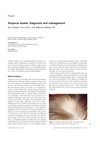 48 citations
,
May 1999 in “International Journal of Dermatology”
48 citations
,
May 1999 in “International Journal of Dermatology” Alopecia areata is an unpredictable autoimmune hair loss condition, treated based on severity, with half of patients regrowing hair within a year without treatment.
 32 citations
,
January 2017 in “Patient Preference and Adherence”
32 citations
,
January 2017 in “Patient Preference and Adherence” Alopecia affects patients' quality of life, with younger patients and longer-lasting hair loss experiencing greater impact.
 29 citations
,
July 2012 in “Fertility and Sterility”
29 citations
,
July 2012 in “Fertility and Sterility” Low and ultralow doses of flutamide can cause liver damage in young women with high androgen levels, regardless of dose or birth control use, with higher risk for those with higher BMI and liver enzyme levels before treatment.
 17 citations
,
May 2018 in “Journal of Cosmetic Dermatology”
17 citations
,
May 2018 in “Journal of Cosmetic Dermatology” Most women in the study lost hair due to chronic shedding, with stress and nutrient deficiencies being common factors.
 5 citations
,
June 2015 in “Veterinary dermatology”
5 citations
,
June 2015 in “Veterinary dermatology” A dog with complete hair loss regrew most hair after treatment, with no relapse after stopping treatment.
 1 citations
,
June 2021 in “International Journal of Dermatology”
1 citations
,
June 2021 in “International Journal of Dermatology” People with alopecia areata had lower vitamin D levels, but these levels didn't relate to many aspects of the condition.
 December 2023 in “Dermatology and therapy”
 Japanese patients and physicians often disagree on the severity of Alopecia Areata and treatment satisfaction, needing better communication and treatments.
 April 2018 in “Journal of Investigative Dermatology”
 The role of γδT-cells in causing alopecia areata remains unclear.
 June 2017 in “Journal of the American Academy of Dermatology”
 Tofacitinib is effective and safe for treating severe alopecia areata and related conditions.
 January 2017 in “Nasza Dermatologia Online”
 Both treatments helped hair regrowth in alopecia areata, with isopropanol being better tolerated.
 April 2012 in “Journal of the American Academy of Dermatology”
 People with androgenetic alopecia may have a higher risk of heart problems compared to those with alopecia areata or healthy individuals.
 65 citations
,
February 2015 in “Neuro-Oncology”
65 citations
,
February 2015 in “Neuro-Oncology” Alisertib was found to be an effective and tolerable treatment for children with recurrent brain tumors.
 40 citations
,
August 2022 in “Frontiers in immunology”
40 citations
,
August 2022 in “Frontiers in immunology” Blocking JAK/STAT pathways can help treat hair loss from alopecia areata.
 34 citations
,
April 2009 in “Expert Opinion on Pharmacotherapy”
34 citations
,
April 2009 in “Expert Opinion on Pharmacotherapy” Some treatments work for common baldness, but there's less evidence for other hair loss types, and more research is needed.
 4 citations
,
July 2025 in “Frontiers in Immunology”
4 citations
,
July 2025 in “Frontiers in Immunology” Early intervention with JAK inhibitors may prevent alopecia areata progression.
 2 citations
,
October 2024 in “Dermatology and Therapy”
2 citations
,
October 2024 in “Dermatology and Therapy” Current treatments for severe alopecia areata are unsatisfactory, highlighting the need for better options.
 August 2025 in “American Journal of Clinical Dermatology”
 Clinicians should use evidence-based tools and consider mental health when assessing alopecia areata to guide treatment.
 June 2023 in “Dermatology and therapy”
 The Middle East and Africa need better data, treatment consensus, and support for Alopecia Areata.
 4 citations
,
July 2008 in “British journal of dermatology/British journal of dermatology, Supplement”
4 citations
,
July 2008 in “British journal of dermatology/British journal of dermatology, Supplement” Poor response to topical immunotherapy in alopecia areata patients is linked to impaired cell responses.
 26 citations
,
October 2020 in “Pediatric Dermatology”
26 citations
,
October 2020 in “Pediatric Dermatology” Oral tofacitinib may effectively treat hair loss in children with alopecia areata.
 January 2025 in “International Journal of Dermatology Sciences”
 Nail changes in alopecia areata are common and may indicate severity and genetic risk.
 April 2024 in “Medical & clinical research”
 More research is needed to find the best long-term treatments for Alopecia Areata.