 1 citations
,
July 2023 in “Nature communications”
1 citations
,
July 2023 in “Nature communications” MOF controls key genes for skin development by regulating mitochondrial and ciliary functions.
12 citations
,
March 2012 in “JEADV. Journal of the European Academy of Dermatology and Venereology/Journal of the European Academy of Dermatology and Venereology” A specific gene mutation in Japanese people can cause varying degrees of hair thinning in adulthood.
 4 citations
,
January 2018 in “International Journal of Trichology”
4 citations
,
January 2018 in “International Journal of Trichology” A rare genetic disease causes sparse hair and early blindness due to a gene mutation.
 8 citations
,
June 2012 in “PloS one”
8 citations
,
June 2012 in “PloS one” Mutations in Plcd1 and Plcd3 together cause severe hair loss in mice.
15 citations
,
June 2012 in “British Journal of Dermatology” A new mutation in the KRT86 gene causes a hair disorder with variable expression.
 April 2016 in “Journal of Investigative Dermatology”
 FOL-005, a new substance, was found to reduce hair growth without toxicity when injected into skin, suggesting it could be used to treat excessive hair growth.
 May 2026 in “Signal Transduction and Targeted Therapy”
 BMP signaling is essential for forming skin structures called rete ridges, aiding skin thickness and regeneration.
November 2021 in “Clinical, cosmetic and investigational dermatology” An elderly woman with cancer improved after treatment for a rare skin condition with coiled hairs.
24 citations
,
April 2021 in “BMC women's health” High BMI worsens hair growth in women with PCOS.
May 2020 in “International journal of dermatology and venereology” Hair matrix cysts are rare skin nodules with unique features, often needing surgical removal.
 September 2015 in “Philippine Journal of Internal Medicine”
 Recognizing and treating overlap syndrome in connective tissue diseases is crucial.
January 2019 in “University of Liverpool” Equine eosinophilic granuloma is the most common skin disease in horses, while mast cell tumors are less common and differ in their cellular makeup.
7 citations
,
February 2019 in “Veterinary medicine and science” An American Bully with a genetic skin condition improved significantly with specific topical treatments.
Multiphoton microscopy can effectively distinguish between scarring and non-scarring alopecia.
 25 citations
,
April 2007 in “Journal of The American Academy of Dermatology”
25 citations
,
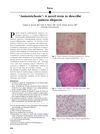
April 2007 in “Journal of The American Academy of Dermatology” The document suggests "anisotrichosis" as a new term for hair thickness variation in common baldness.
53 citations
,
August 2015 in “The Italian Journal of Pediatrics/Italian journal of pediatrics” Excessive body hair can signal complex health issues.
20 citations
,
January 2002 in “Laboratory Animals” Mutations in the hairless gene cause hair loss and skin cysts in rhesus macaques.
 3 citations
,
June 2023 in “Cureus”
3 citations
,
June 2023 in “Cureus” Pilomatricomas should be considered to avoid misdiagnosis in children with unusual skin tumors.
 January 2013 in “The Pan African medical journal”
 Monilethrix causes short, fragile hair with no specific treatment available.
 45 citations
,
November 1979 in “British Journal of Dermatology”
45 citations
,
November 1979 in “British Journal of Dermatology” Minoxidil causes excessive hair growth in almost all patients.
December 2025 in “Pomeranian Journal of Life Sciences” A miner developed extra shoulder hair due to long-term work pressure and inflammation.
9 citations
,
May 2014 in “BMC medical genetics” A woman with a unique syndrome similar to TRPS has a genetic change near the TRPS1 gene, affecting its regulation.
 March 2024 in “Indian Journal of Dermatology/Indian journal of dermatology”
 Using animal names for skin conditions helps with learning and memory.
12 citations
,
January 2013 in “Indian dermatology online journal” The document reports a unique case of woolly hair with a combination of conditions not previously seen together.
34 citations
,
April 1982 in “BMJ” July 2022 in “European Journal of Dermatology” Brodalumab is more effective than ustekinumab in treating psoriasis.
 1 citations
,
January 2023 in “Indian Journal of Dermatology/Indian journal of dermatology”
1 citations
,
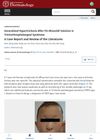
January 2023 in “Indian Journal of Dermatology/Indian journal of dermatology” 5% minoxidil can significantly increase hair growth in TRPS patients.
 February 2025 in “Pharmaceuticals”
 Myo-inositol with magnesium effectively reduces acne and hirsutism in PCOS patients without side effects.
 28 citations
,
October 2004 in “Differentiation”
28 citations
,
October 2004 in “Differentiation” A gene deletion causes the "hairless" trait in Iffa Credo rats.
11 citations
,
January 2005 in “Brazilian Journal of Medical and Biological Research” Hairless USP mice have enlarged skin cysts as they age.