May 2025 in “OSF Preprints (OSF Preprints)” Machine learning can help identify stress indicators in mothers and infants.
8 citations
,
October 2020 in “Clinical Psychopharmacology and Neuroscience” rTMS may help treat trichotillomania in some patients.
 April 2026 in “Biomedicines”
 A holistic approach combining lifestyle changes, stress management, exercise, and herbal medicine can effectively treat and prevent keloids.
Personality affects stress response more than social rank in zebrafish.
 162 citations
,
August 2004 in “Journal of Investigative Dermatology”
162 citations
,
August 2004 in “Journal of Investigative Dermatology” Hair loss causes stress and affects mental health; treatment and support needed.
1 citations
,
September 2023 in “Pharmacology and Drug Toxicology” Minoxidil reduces oxidative stress and helps hair regrowth.
2 citations
,
November 2024 in “World Journal of Psychiatry” Wound size, anxiety, and depression significantly affect healing in chronic wound patients.
 June 2020 in “Faculty Opinions – Post-Publication Peer Review of the Biomedical Literature”
 Stress causes hair graying by overactivating nerves that deplete color-giving stem cells.
 5 citations
,
October 2020 in “Brain Research Bulletin”
5 citations
,
October 2020 in “Brain Research Bulletin” Etifoxine, an anxiety drug, can lessen brain inflammation and cognitive issues in mice, partly by increasing production of protective brain steroids.
 May 2025 in “Psychopharmacology”
 Chronic finasteride use in male rats doesn't strongly cause depression or anxiety due to adaptive stress hormone changes.
 March 2021 in “Research Square (Research Square)”
 Stress likely causes hair loss in Formosan macaques.
January 2006 in “International Journal of Dermatology and Venereology” Stress can cause and worsen hair loss, so managing stress is important for better hair health.
June 2026 in “Comprehensive Psychoneuroendocrinology” Vasomotor symptoms in midlife Latinas may indicate higher stress levels.
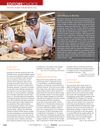 September 2013 in “Science”
 Human stem cells can aid stroke recovery, research experiences boost students' career aspirations, minoxidil may reduce cancer spread, a molecule can slow tumor growth, a protein affects water flow in cells, magnesium behaves differently at tiny scales, and a new method detects slow-moving objects.
Stress significantly contributes to hair loss, especially in women and those aged 31-40.
September 2004 in “Experimental Dermatology” Stress increases nerve growth factor, causing hair loss in mice.
2 citations
,
January 2014 in “British Journal of Medicine and Medical Research” The body and mind should be seen as interconnected for better medical understanding and treatment.
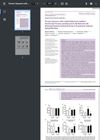 December 2023 in “Alzheimer's & dementia”
 Finasteride may help reduce anxiety and depression in elderly but might cause depression in young men.
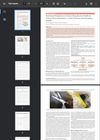 May 2026 in “Indian Journal of Medical Biochemistry”
 Hair biomarkers can help assess chronic stress in women's reproductive health but need standardized methods and regional studies.
January 2007 in “Edward Elgar eBooks” TSPO might help treat anxiety and depression.
 September 2016 in “Medical Journal of Australia”
 Planting trees and doing yoga might make you feel better; yoga can help with asthma symptoms, and certain treatments can improve female hair loss.
 August 2022 in “Revista de la Universidad Industrial de Santander/Salud UIS”
 Stress-related hair loss was reversed with a special medication.
May 2012 in “Neurotoxicology and Teratology” Hair cortisol can be a reliable way to measure long-term stress.
 February 2026 in “Brazilian Journal of Implantology and Health Sciences”
 Chronic stress and high cortisol levels can cause hair loss by disrupting hair growth.
CRH causes hair loss by reducing cell survival in hair follicles.
 April 2025 in “Annals of Medicine”
 CRH can cause hair loss by promoting cell death in hair growth cells.
 16 citations
,
November 2021 in “Antioxidants”
16 citations
,
November 2021 in “Antioxidants” Managing oxidative stress might help treat low testosterone and related chronic diseases in aging men.
 September 2024 in “Journal of the American Academy of Dermatology”
 Using gratitude journals can improve perceived hair loss and quality of life in women.
January 2026 in “Advances in Clinical and Experimental Medicine” Regulatory T cells and mesenchymal stem cells work together to prevent immune system overreactions and tissue damage.
 5 citations
,
October 2018 in “Research in psychotherapy”
5 citations
,
October 2018 in “Research in psychotherapy” The Italian version of a relationship scale was adapted for cancer patients, showing some differences from the original and suggesting its use could improve therapy and treatment adherence.