 54 citations
,
August 2009 in “Dermatologic Surgery”
54 citations
,
August 2009 in “Dermatologic Surgery” Modern hair transplants use small grafts for a natural look and drugs to prevent further loss, with high patient satisfaction.
1 citations
,
January 2001 in “Acta Archaeologica Academiae Scientiarum Hungaricae” FUE is a less invasive hair restoration method that avoids visible scars and reduces recovery time.
 8 citations
,
March 2016 in “Hair transplant forum international”
8 citations
,
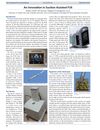
March 2016 in “Hair transplant forum international” The new FUE device improves hair transplant safety and efficiency.
June 2021 in “Dermatologic Surgery” Tissue-engineered grafts can help regenerate hair follicles.
 10 citations
,
August 2015 in “Journal of Cosmetic Dermatology”
10 citations
,
August 2015 in “Journal of Cosmetic Dermatology” Successful eyebrow restoration can be done using careful hair transplant techniques and choosing the right patients.
30 citations
,
August 2004 in “British Journal of Plastic Surgery” Chest hair can be successfully used for scalp hair transplants, growing longer like scalp hair.
1 citations
,
January 2020 FUE is a preferred hair restoration method because it avoids large scars and offers less pain.
October 2022 in “Hair Transplantation” Motorized FUE with blunt punches improved hair restoration by reducing damage during graft harvesting.
 2 citations
,
November 2002 in “Dermatologic Surgery”
2 citations
,
November 2002 in “Dermatologic Surgery” The authors' 10-year experience shows that a personalized approach to hair restoration surgery, using various techniques, leads to natural results and high patient satisfaction.
Melanocyte transplantation can safely restore skin color, especially in stable vitiligo, but must be chosen carefully based on the disease phase.

The treatment successfully integrated hair follicles into a dermal template, showing new hair growth and blood vessel formation.
 November 2002 in “Dermatologic Surgery”
 Scalp reduction gives the most natural result for significant crown baldness, despite potential complications, and a systematic approach to surgical hair restoration results in few complications and high graft survival.
 June 1999 in “Proceedings of SPIE”
 The CO₂ laser is better for hair transplantation because it causes less damage than the Ho:YAG laser.
September 2025 in “PubMed” Regenerative hair transplant improves hair growth and quality using stem cells.
 7 citations
,
November 2017 in “Plastic and reconstructive surgery. Global open”
7 citations
,
November 2017 in “Plastic and reconstructive surgery. Global open” FUE and SMP together can effectively treat hair loss, needing fewer procedures.
 January 2022 in “Springer eBooks”
 Using micrografts with stem cells and platelet-rich plasma can safely and effectively help regrow hair.
 5 citations
,
September 2016 in “Dermatologic Therapy”
5 citations
,
September 2016 in “Dermatologic Therapy” Feily's method, which delays grafting for 24 hours to improve blood flow, successfully prevented scalp necrosis in three hair transplant patients.

Dr. Min's method for eyebrow and eyelash transplantation is effective, with most hairs regrowing, and proper recovery is crucial for success.
 1 citations
,
September 2016 in “Indian Journal of Plastic Surgery”
1 citations
,
September 2016 in “Indian Journal of Plastic Surgery” The new hair follicle harvesting technique improves hair transplant results and makes the procedure quicker and easier to learn.
 4 citations
,
November 2006 in “Dermatologic Surgery”
4 citations
,
November 2006 in “Dermatologic Surgery” Transplanted transected hair follicles can survive but grow at unsatisfactory rates and are thinner, suggesting limited potential for unlimited donor hair supply.
January 2008 in “Hair transplant forum international”  77 citations
,
April 1999 in “Dermatologic Clinics”
77 citations
,
April 1999 in “Dermatologic Clinics” The document concludes that follicular unit transplantation offers more natural results and better graft survival than older hair transplant methods.
 3 citations
,
May 2011 in “International Journal of Dermatology”
3 citations
,
May 2011 in “International Journal of Dermatology” Using an epidural needle in hair restoration surgery can reduce grafts popping out, make the procedure easier, and result in natural-looking hairlines without obvious scarring.
 November 2008 in “Facial Plastic Surgery”
 Hair restoration techniques have evolved from large punch grafts to microfollicular unit transplants, with future advancements potentially including hair cloning.
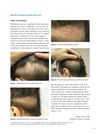 11 citations
,
June 2008 in “Dermatologic Surgery”
11 citations
,
June 2008 in “Dermatologic Surgery” Transplanting chest hair into scalp scars may effectively treat wide donor scars in hair restoration.
 19 citations
,
January 2007 in “Journal of medical investigation”
19 citations
,
January 2007 in “Journal of medical investigation” GFP transgenic mice help study cell origins in skin grafts.
 8 citations
,
March 2017 in “Journal of Cosmetic and Laser Therapy”
8 citations
,
March 2017 in “Journal of Cosmetic and Laser Therapy” Punch grafting treats vitiligo faster but can cause a cobblestone look, while follicular hair transplantation is slower but looks better and has no side effects.
 14 citations
,
July 2009 in “Current Opinion in Otolaryngology & Head and Neck Surgery”
14 citations
,
July 2009 in “Current Opinion in Otolaryngology & Head and Neck Surgery” Hair restoration techniques like follicular unit transplant surgery and follicular unit extraction are effective, with ideal graft placement density between 20-30 units per cm². Medications like Minoxidil and Finasteride can help maintain and regrow hair.
March 2026 in “Materials Today Bio” The new cryo-MAP technique enables rapid and successful hair growth by transplanting hair follicle organoids.
 5 citations
,
August 2019 in “Journal of The American Academy of Dermatology”
5 citations
,
August 2019 in “Journal of The American Academy of Dermatology” The document presents a new way to do skin treatments with a tool that lets you use microneedling and apply PRP at the same time with one hand.