 40 citations
,
July 1995 in “Toxicologic Pathology”
40 citations
,
July 1995 in “Toxicologic Pathology” Minoxidil can harm dog's heart.
 May 2026 in “Zenodo (CERN European Organization for Nuclear Research)”
 Minoxidil can help grow facial hair but isn't widely approved for everyone.

Oral Minoxidil can cause serious eye problems, but stopping it can improve vision.
 April 2025 in “Archives of Dermatological Research”
 The combination of finasteride and minoxidil is as safe and effective as minoxidil alone for improving hair growth in men.
 7 citations
,
March 2013 in “Tetrahedron Letters”
7 citations
,
March 2013 in “Tetrahedron Letters” New method makes important drug ingredients more easily without needing extra purification steps.
15 citations
,
August 1989 in “Archives of Dermatology” Minoxidil may promote hair growth by mimicking a natural body chemical.
 46 citations
,
January 1991 in “Journal of Investigative Dermatology”
46 citations
,
January 1991 in “Journal of Investigative Dermatology” Minoxidil works in liver and outer hair root sheath for hair growth.
January 2026 in “International Journal of Dermatology” Minoxidil can be toxic to pets, especially cats, and public awareness is low.
 1 citations
,
October 2023 in “Chest”
1 citations
,
October 2023 in “Chest” Minoxidil can cause fluid buildup around the heart, so patients using it should be watched for this side effect.
 December 2023 in “Current Dermatology Reports”
 Oral minoxidil is a potential treatment for hair loss.
 43 citations
,
January 1977 in “Toxicology and Applied Pharmacology”
43 citations
,
January 1977 in “Toxicology and Applied Pharmacology” Minoxidil is mostly safe, but high doses can cause electrolyte imbalances and heart issues in dogs.
April 2015 in “한국고분자학회 학술대회 연구논문 초록집”  58 citations
,
October 1993 in “International Journal of Dermatology”
58 citations
,
October 1993 in “International Journal of Dermatology” Minoxidil helps hair growth and reduces shedding in women.
 16 citations
,
March 2017 in “Journal of inclusion phenomena and macrocyclic chemistry”
16 citations
,
March 2017 in “Journal of inclusion phenomena and macrocyclic chemistry” Minoxidil mixed with 2-hydroxypropyl-β-cyclodextrin in water can improve hair growth more than minoxidil alone.
 9 citations
,
April 2018 in “JAMA Dermatology”
9 citations
,
April 2018 in “JAMA Dermatology” Topical minoxidil improves hair loss in 80% of women with breast cancer undergoing endocrine therapy.
 September 2005 in “Eclética Química”
 A quick method to measure minoxidil using a light-based titration technique was developed.
3 citations
,
May 2024 in “International Journal of Dermatology”  47 citations
,
October 1989 in “Circulation Research”
47 citations
,
October 1989 in “Circulation Research” The study explains how minoxidil sulfate causes vasodilation in rabbits by opening potassium channels and inhibiting calcium channels.
7 citations
,
August 2024 in “JAAD reviews.” Minoxidil can cause unwanted hair growth, so personalized care and support are important.
 17 citations
,
October 2013 in “F1000Research”
17 citations
,
October 2013 in “F1000Research” A 2-year-old boy grew excessive hair after using minoxidil for hair loss, but it improved when the treatment stopped.
 33 citations
,
April 1990 in “Dermatologic Clinics”
33 citations
,
April 1990 in “Dermatologic Clinics” Minoxidil effectively treats hair loss, with better results in women.
 32 citations
,
June 2015 in “Dermatologic Therapy”
32 citations
,
June 2015 in “Dermatologic Therapy” Finasteride and minoxidil together work best for male hair loss.
July 2025 in “OPAL (Open@LaTrobe) (La Trobe University)” Maslinic acid from olive extracts promotes hair growth like minoxidil.
 1 citations
,
May 2007 in “International Journal of Dermatology”
1 citations
,
May 2007 in “International Journal of Dermatology” Minoxidil, when applied to the scalp, can stimulate hair growth but effects vary, stop if treatment ends, and it may cause side effects like fluid retention.
1 citations
,
June 1990 in “PubMed” 2% topical minoxidil is safe and reduces hair shedding in Chinese men with male pattern baldness.
 April 2024 in “Journal of the American Academy of Dermatology”
 Low-dose minoxidil helps hair grow longer and thicker in people with short anagen syndrome.
July 2025 in “Colloids and Surfaces B Biointerfaces” A new method using hyaluronic acid liposomes improves Minoxidil's effectiveness and safety for hair growth treatment.
 45 citations
,
November 1979 in “British Journal of Dermatology”
45 citations
,
November 1979 in “British Journal of Dermatology” Minoxidil causes excessive hair growth in almost all patients.
 36 citations
,
July 1977 in “The Journal of Pediatrics”
36 citations
,
July 1977 in “The Journal of Pediatrics” Minoxidil helps lower blood pressure in kids with severe hypertension, but may cause temporary excessive hair growth.
 29 citations
,
August 1985 in “Contact Dermatitis”
29 citations
,
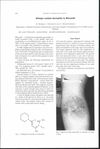
August 1985 in “Contact Dermatitis” Minoxidil can cause allergic reactions like burning, itching, and red bumps.