Search
for
Sort by
Research
60-90 / 1000+ resultsresearch Topical minoxidil therapy for androgenetic alopecia.
research Minoxidil is efficacious and safe when used for the treatment of androgenetic alopecia.
Minoxidil is a safe and effective treatment for hair loss.
research Minoxidil Nanoparticles Targeting Hair Follicles Enhance Hair Growth in C57BL/6 Mice
Minoxidil nanoparticles significantly boost hair growth in mice compared to regular minoxidil.
research Therapeutic effects of minoxidil high extra combination therapy in patients with androgenetic alopecia.

research Minoxidil suppressed mitochondrial depolarization and subsequent neuronal cell death by decreasing intracellular potassium level
Minoxidil may protect the brain from damage by preventing cell death and energy loss.

research Efectos del minoxidilo en formulación oral en pacientes barosensibles
Careful monitoring is needed when using oral minoxidil for hair loss due to potential side effects.

research Topical minoxidil hair loss therapy may cause chest pains and palpitations,

research 42482 Low dose oral minoxidil as monotherapy in patients with hair loss
Low dose oral minoxidil can help with hair loss when used alone.
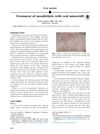
research Treatment of monilethrix with oral minoxidil
Oral minoxidil shows promise in treating monilethrix-related hair loss.

research Minoxidil May be a Partial Agonist of Estrogen Receptor Alpha
Minoxidil might partially activate estrogen receptors, affecting hair growth.
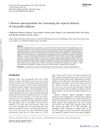
research Chitosan microparticles for sustaining the topical delivery of minoxidil sulphate
Chitosan microparticles improve minoxidil sulphate delivery, potentially reducing daily applications.

research Minoxidil tópico o minoxidil oral en la alopecia. ¿Cuál es su elección?
Choose between topical and oral minoxidil for hair growth based on personal tolerance and side effects.

research Oral Minoxidil for Chemotherapy-Induced Alopecia
Oral minoxidil may effectively treat hair loss from chemotherapy.
research MINOXIDIL NO TRATAMENTO DA ALOPECIA: REVISÃO DE LITERATURA SOBRE EFICÁCIA E SEGURANÇA
Minoxidil effectively promotes hair growth for alopecia, especially when combined with other treatments and proper monitoring.
research Unexpected refractory hypotension following intradermal minoxidil injection
research Dermo-Follicular Proliferation
Minoxidil and a solvent mixture can prevent hair loss caused by chemotherapy in mice.
research Transdermal delivery of mixnoxidil with block copolymer nanoparticles
Smaller nanoparticles improve minoxidil absorption through hair follicles.

research Minoxidil in the management of intractable hypertension.
Minoxidil significantly lowers blood pressure in patients with hard-to-treat hypertension, but can cause fluid retention and excessive hair growth.

research Pharmacology and Pharmacokinetics of Minoxidil
Minoxidil treats high blood pressure and side effects can be managed.

research Minoxidil, finasteride, and dutasteride
Minoxidil, finasteride, and dutasteride are treatments for hair loss.
research Transdermal delivery of mixnoxidil with block copolymer nanoparticles
Smaller nanoparticles improve minoxidil delivery through hair follicles.
research Antibacterials/corticosteroids/minoxidil

research Fatal Toxic Epidermal Necrolysis Associated with Minoxidil
Minoxidil can cause deadly skin reaction; monitor patients closely.
research Minoxidil cyclodextrin inclusion complex-loaded microemulsions and transfersomes for androgen alopecia treatment: a comparative study

research Persistent Chemotherapy-Induced Alopecia Treated With Low Dose Oral Minoxidil: A Multicenter Retrospective Case Series of 15 Patients
Low dose oral minoxidil helped treat long-term hair loss caused by chemotherapy in 15 patients.
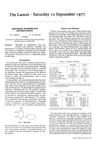
research MINOXIDIL IN RESISTANT HYPERTENSION
Minoxidil with propranolol and diuretics lowers blood pressure but causes fluid retention and hair growth.

research Minoxidil and its use in hair disorders: a review
Minoxidil is a primary treatment for hair loss but its exact working method is unknown.
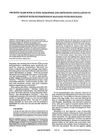
research Pruritic Rash with Actinic Keratosis and Impending Exfoliation in a Patient with Hypertension Managed with Minoxidil
Minoxidil caused a severe rash in a patient, which improved after stopping the drug.

research A Case of Acute Myocardial Infarction Associated with Topical Use of Minoxidil (RiUP) for Treatment of Baldness.
A man developed heart problems after using a baldness treatment for 4 months, suggesting that people with heart issues should avoid this treatment.