 44 citations
,
March 1987 in “Journal of The American Academy of Dermatology”
44 citations
,
March 1987 in “Journal of The American Academy of Dermatology” Using minoxidil on balding scalps can stimulate hair regrowth and increase blood flow. It's an effective treatment for early hair loss.
 23 citations
,
September 2019 in “Journal of The American Academy of Dermatology”
23 citations
,
September 2019 in “Journal of The American Academy of Dermatology” Tofacitinib and oral minoxidil together effectively regrow hair in severe alopecia areata patients.
 20 citations
,
November 1987 in “Archives of Dermatology”
20 citations
,
November 1987 in “Archives of Dermatology” The document concludes that topical minoxidil therapy is safe and effective in promoting hair growth for male pattern baldness.
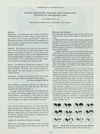 5 citations
,
October 1993 in “International Journal of Dermatology”
5 citations
,
October 1993 in “International Journal of Dermatology” Topical minoxidil is effective and safe for hair regrowth in Middle Eastern men with early baldness, with better results in younger patients and certain types of baldness.
 February 2026 in “Frontiers in Medicine”
 Oral minoxidil improved hair loss more than oral dutasteride.
 April 2019 in “Journal of Investigative Dermatology”
 The research found that certain characteristics like age, sex, race, marital status, and education level can influence whether alopecia patients stick to their hair loss treatment with topical minoxidil.
 34 citations
,
January 1977 in “American Journal of Cardiology”
34 citations
,
January 1977 in “American Journal of Cardiology”  January 2023 in “The Egyptian Journal of Hospital Medicine”
 Topical Valproic acid and 5% Minoxidil both significantly increase hair count in Female Pattern Hair Loss, with similar side effects.
14 citations
,
April 1987 in “PubMed” Topical minoxidil can promote hair growth in men with hereditary hair loss, with no serious side effects.
1 citations
,
March 2017 in “PubMed” Topical minoxidil did not significantly regrow hair in alopecia areata patients after 3 months.
27 citations
,
January 1986 in “PubMed” 1% minoxidil didn't improve hair growth for severe alopecia areata.
24 citations
,
November 1992 in “Archives of Dermatology” Prednisone can regrow hair in alopecia areata, and minoxidil helps maintain it.
7 citations
,
September 1991 in “PubMed” 2% topical minoxidil helps hair regrowth in women with androgenetic alopecia.
7 citations
,
December 2021 in “Pharmaceutics” The nanoemulsion with garlic oil, apple cider vinegar, and minoxidil could effectively treat alopecia areata.
5 citations
,
April 2022 in “Pharmaceutics” Minoxidil nanoparticles significantly boost hair growth in mice compared to regular minoxidil.
3 citations
,
January 1987 in “Archives of Dermatology” Most dermatologists prescribed topical minoxidil for hair loss, with few reporting complications.
 2 citations
,
August 2019 in “PubMed”
2 citations
,
August 2019 in “PubMed” A specific enzyme that activates the hair growth medication minoxidil when applied to the skin was identified.
 2 citations
,
October 2020 in “The Journal of clinical and aesthetic dermatology”
2 citations
,
October 2020 in “The Journal of clinical and aesthetic dermatology” The herbal mix (Biochanin A, Acetyl tetrapeptide-3, and Ginseng Extracts) and the 3% Minoxidil solution are equally effective in treating hair loss, but the herbal mix has fewer side effects.
 January 2025 in “International Journal of Trichology”
 Topical spironolactone and minoxidil both effectively treat female hair loss, but spironolactone has fewer side effects.
Compounded topical minoxidil works better and is more tolerated than over-the-counter minoxidil for treating hair loss in Black women.
 August 2024 in “Pakistan Journal of Health Sciences”
 PRP with finasteride is better for hair regrowth than minoxidil with finasteride.
 April 2024 in “Anais brasileiros de dermatologia/Anais Brasileiros de Dermatologia”
 Using both minoxidil and biotin together increased hair growth more than using either one alone.
 March 2023 in “International Journal of Trichology”
 Using both minoxidil and finasteride together is more effective for male hair loss than using either one alone.
December 2022 in “Archives of Dermatological Research” Adding cetirizine to minoxidil improves hair growth and thickness in women with androgenetic alopecia.
12 citations
,
October 2015 in “PubMed” Topical minoxidil significantly increases hair growth in androgenetic alopecia but only some patients see cosmetically acceptable results.
2 citations
,
January 2016 in “Journal of in silico & in vitro pharmacology” Combining Minoxidil and Rosemary oil in liposomes improves Minoxidil's effectiveness and remains stable for 60 days.
1 citations
,
June 2022 in “Pharmaceutics” Minoxidil's absorption is too variable for it to be a reliable reference drug.
 August 2025 in “International Journal of Pharmaceutical Sciences and Nanotechnology”
 The new minoxidil nanoemulgel may treat hair loss more effectively with fewer side effects.
 December 2023 in “Azerbaijan Pharmaceutical and Pharmacotherapy J”
 The minoxidil gel could be a better treatment for hair loss than traditional forms.
16 citations
,
July 1988 in “International Journal of Dermatology” The 2% minoxidil solution is safe and effective for treating male pattern baldness.