 August 2018 in “Journal of The American Academy of Dermatology”
 Different treatments for skin conditions were found to be effective and generally safe, with biologics recommended as the first choice for generalized pustular psoriasis.
 July 2018 in “Elsevier eBooks”
 Some drugs can cause reversible hair loss, but certain chemotherapy drugs may lead to permanent hair loss; drugs can also change hair color and texture.
 July 2018 in “Elsevier eBooks”
 New hair loss treatments show promise, but more research is needed to confirm their effectiveness.
 March 2017 in “Drug delivery letters”
 Dr. Jia-You Fang is a highly experienced researcher in drug delivery and related fields, with numerous publications and international collaborations.
 January 2016 in “Georg Thieme Verlag eBooks”
 The document recommends personalized, culturally sensitive treatments to rejuvenate the aging Asian face, focusing on natural results and specific techniques for skin, hair, and facial features.
 September 2014 in “Springer eBooks”
 Aging causes hair to gray and thin, with the timing of graying varying by race, and factors like oxidative stress and genetics can lead to hair loss.

Iron supplements may reverse premature graying in iron-deficient individuals; ingrown nails are common in diabetics with certain risk factors; topical finasteride may reduce scalp DHT as effectively as oral finasteride; monilethrix treatment is challenging but some medications can help.
Prunus Tomentosa extract is effective in promoting hair growth, similar to minoxidil.
 June 2008 in “British Journal of Dermatology”
 Herpes gestationis is linked to certain antigens, atopic eczema affects T cell populations and may be eased by breastfeeding, higher doses of anti-androgen treatment can improve androgenic alopecia, topical minoxidil increases hair thickness, long-term methotrexate therapy can cause liver fibrosis in psoriasis patients, and Lichen Sclerosus et Atrophicus patients aren't at higher risk for autoimmune disorders.
 September 2005 in “Eclética Química”
 A quick method to measure minoxidil using a light-based titration technique was developed.
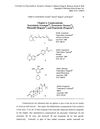
Isotretinoin and tazarotene help treat acne, while minoxidil and finasteride promote hair growth.
 June 2002 in “Seminars in Cutaneous Medicine and Surgery”
 Hair transplantation has improved to more natural-looking results and is complemented by effective non-surgical treatments, with ongoing research into hair follicle cloning.
 August 1994 in “Drugs & Therapy Perspectives”
 Some drugs can cause hair loss or growth, but hair usually returns to normal after stopping the drug.
 January 1991 in “Journal of Pediatric Health Care”
 Hair loss in children can be caused by fungal infections, trauma, autoimmune disorders, or stress, and treatments vary depending on the cause.
 February 1990 in “Journal of The American Academy of Dermatology”
 New skin treatments in 1987-1988 showed effectiveness for various conditions, but some had side effects or risks.
 April 1986 in “Postgraduate Medicine”
 Accurate diagnosis and treatment of skin and hair disorders are crucial, with growing focus on hair loss treatments like topical minoxidil.
 April 2026 in “Journal of Pharmaceutical Innovation”
 Curcumin nanocrystal gel improves skin absorption and is safe and effective for topical use.
 March 2025 in “Asian Journal of Beauty and Cosmetology”
 Microspicule cosmetics improve skin whitening, pores, and barrier strength.
 March 2021 in “Research Square (Research Square)”
 The SbbHLH85 protein helps sweet sorghum grow more root hairs but makes the plant more sensitive to salt.
April 2023 in “Dermatology and therapy” Most patients stop using topical minoxidil due to side effects.
January 2023 in “International Journal of Trichology” Alcohol-free minoxidil is better for treating hair loss in Indian men.
 January 2022 in “Cosmoderma”
 Using oral minoxidil and dutasteride together can quickly increase hair growth and volume with minimal side effects.
July 2021 in “Journal of reports in pharmaceutical sciences” The 2% minoxidil nanosuspension is as effective as the commercial product but safer and easier to use.

Caffeine can potentially treat common hair loss by counteracting hair follicle shrinkage caused by hormones.
January 2021 in “Medical research archives” The 5% minoxidil lotion without propylene glycol is effective, well-tolerated, and cosmetically acceptable for hair loss.
 November 2015 in “Springer eBooks”
 Hair loss treated with minoxidil, finasteride, laser/light, hair transplant, and scalp prostheses; more research needed for skin of color.
 April 1999 in “Therapeutische Umschau”
 Hair loss and excessive growth treated with various options, including new laser technology.
 June 1996 in “Archives of Dermatology”
 Minoxidil, tretinoin, and finasteride may help hair regrowth in mild to moderate androgenetic alopecia.
 80 citations
,
August 2002 in “Journal of Dermatology”
80 citations
,
August 2002 in “Journal of Dermatology” Best hair growth results from combining finasteride and minoxidil.
 119 citations
,
June 2005 in “Journal of Molecular and Cellular Cardiology”
119 citations
,
June 2005 in “Journal of Molecular and Cellular Cardiology” Potassium channel openers are effective in treating heart conditions, high blood pressure, pulmonary diseases, bladder issues, and hair loss, but more selective drugs are needed.