 1 citations
,
August 2018 in “Journal of The American Academy of Dermatology”
1 citations
,
August 2018 in “Journal of The American Academy of Dermatology” Combination of minoxidil and finasteride is more effective in increasing hair diameter than minoxidil alone for female-pattern hair loss.
The document concludes that activating hair roots is important for improving hair growth and preventing hair loss.
 June 2023 in “Journal of chemical metrology”
 A new method found unlisted drugs in two popular hair serums, posing a health risk.
 2 citations
,
February 2019 in “JOJ dermatology & cosmetics”
2 citations
,
February 2019 in “JOJ dermatology & cosmetics” Anagen grow, a herbal hair serum, effectively promotes hair growth and could be an alternative to finasteride and beneficial for Minoxidil users.
December 2021 in “Faculty Opinions – Post-Publication Peer Review of the Biomedical Literature” Topical finasteride is promising for hair loss with minimal side effects but needs more research and approval.
 November 1997 in “Postgraduate Medicine”
 Robert T. Leonard Jr. disagrees with Max Rubin's negative views on hair loss treatment, advocating for hormonal tests in women and supporting the use of medications and surgery for androgenetic alopecia.
 19 citations
,
January 1997 in “Dermatologic Clinics”
19 citations
,
January 1997 in “Dermatologic Clinics” Most treatments for hair loss in 1997 were not effective for most people, and maintaining hair growth was difficult.
 9 citations
,
June 2017 in “PubMed”
9 citations
,
June 2017 in “PubMed” Stem cell therapy could be a promising alternative for hair regrowth with fewer side effects.
January 2026 in “Dermatologic Therapy” Botulinum Toxin Type A can increase hair density and improve hair thickness in androgenetic alopecia with minimal side effects.
 305 citations
,
February 2007 in “Hormone and metabolic research”
305 citations
,
February 2007 in “Hormone and metabolic research” Human skin makes sexual hormones that affect hair growth, skin health, and healing; too much can cause acne and hair loss, while treatments can manage these conditions.
 34 citations
,
December 1991 in “Annals of the New York Academy of Sciences”
34 citations
,
December 1991 in “Annals of the New York Academy of Sciences” The conclusion is that small hair follicles cause baldness in macaques, and treatments like antiandrogens and minoxidil can prevent hair loss and promote regrowth.
 1 citations
,
October 2010 in “Cambridge University Press eBooks”
1 citations
,
October 2010 in “Cambridge University Press eBooks” Hormonal therapies are effective for managing hair and skin symptoms in women with PCOS.
 January 2003 in “Elsevier eBooks”
 Androgens and other hormones affect hair growth and skin conditions like acne.
 41 citations
,
December 2016 in “International Journal of Women's Dermatology”
41 citations
,
December 2016 in “International Journal of Women's Dermatology” Hormone therapy and surgeries for transgender individuals affect their skin and hair, requiring specific dermatologic treatments and respectful care.
 36 citations
,
September 2018 in “American Journal of Clinical Dermatology”
36 citations
,
September 2018 in “American Journal of Clinical Dermatology” Combination of 0.25% finasteride and 3% minoxidil works better than just 3% minoxidil for increasing hair thickness in women.
 June 2025 in “Journal of Cosmetic Dermatology”
 Dutasteride 0.5 mg/day is the most effective treatment for male pattern hair loss.
 December 2024 in “Skin Appendage Disorders”
 Non-prescription products can help manage androgenic alopecia.
 112 citations
,
October 2005 in “Mayo Clinic Proceedings”
112 citations
,
October 2005 in “Mayo Clinic Proceedings” Minoxidil and finasteride can slow hair loss and stimulate regrowth, but won't restore all lost hair or reverse complete baldness.
 October 2021 in “Cosmoderma”
 Hair loss can be managed with treatments like minoxidil, finasteride, and others, but there are still gaps in effectiveness and off-label usage is increasing.
 January 2013 in “Hair transplant forum international”
 Minoxidil and finasteride are effective for male hair loss; minoxidil also helps female hair loss, with some treatments needing more research.
 July 2015 in “Cambridge University Press eBooks”
 Androgens like testosterone affect skin health and can lead to conditions such as acne and hair loss, with various treatments available.
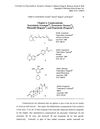
Isotretinoin and tazarotene help treat acne, while minoxidil and finasteride promote hair growth.
 January 2013 in “Российский журнал кожных и венерических болезней”
 Androgenic alopecia, a common hair loss condition, is linked to changes in androgen metabolism and genetics, and can be treated with finasteride and minoxidil, but these treatments are only fully effective in 10% of patients.
August 2019 in “Chin J Naut Med & Hyperbar Med” Hyperbaric oxygen therapy improves hair growth and quality of life in androgenic alopecia patients.
 January 2009 in “Folia Pharmacologica Japonica”
 Finasteride and minoxidil are the main effective treatments for hair loss from androgenetic alopecia.
 2 citations
,
October 2012 in “PubMed”
2 citations
,
October 2012 in “PubMed” Topical minoxidil effectively treats Female Pattern Hair Loss in women of all ages and hormone levels, but evidence for antiandrogens is limited.
 August 2018 in “Journal of The American Academy of Dermatology”
 Different treatments for skin conditions were found to be effective and generally safe, with biologics recommended as the first choice for generalized pustular psoriasis.
4 citations
,
February 2021 in “Journal of Pharmaceutical Sciences” The model can help predict how finasteride and minoxidil work when applied to the scalp.
 71 citations
,
January 2004 in “Dermatology”
71 citations
,
January 2004 in “Dermatology” Oral finasteride works better than topical minoxidil for hair growth, both are safe.
 34 citations
,
February 1992 in “The Journal of Clinical Endocrinology and Metabolism”
34 citations
,
February 1992 in “The Journal of Clinical Endocrinology and Metabolism” Finasteride and minoxidil together promote hair growth better than either alone.