 August 2025 in “Journal of Cosmetic Dermatology”
 5% topical minoxidil can significantly improve hair growth in children with Marie Unna hereditary hypotrichosis.
August 2025 in “Evidence-Based Practice” 1 citations
,
July 2025 in “International Journal of Women’s Dermatology” Women's minoxidil products cost more and are less effective than men's.
1 citations
,
February 2020 in “PubMed” The topical solution improved hair density and appearance in men with androgenetic alopecia.
 February 2024 in “International Journal of Research in Dermatology”
 Alcohol-free minoxidil 5% is effective and safe for treating male pattern hair loss.
January 2009 in “Gynäkologische Endokrinologie” Minoxidil solution can effectively treat hair thinning in women.
May 2026 in “Colloids and Surfaces B Biointerfaces”  February 2025 in “Clinical & Experimental Dermatology and Therapies”
 Combining supplements with minoxidil improves hair growth more than minoxidil alone.
 102 citations
,
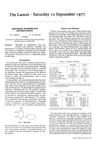
September 1977 in “The Lancet”
102 citations
,
September 1977 in “The Lancet” Minoxidil with propranolol and diuretics lowers blood pressure but causes fluid retention and hair growth.
 July 2013 in “Our Dermatology Online”
 Minoxidil 2% is more effective than tacrolimus 0.1% for hair regrowth in mild to moderate patchy hair loss, and combining both might give better results.
18 citations
,
January 1976 in “Clinical Science” Minoxidil effectively lowers severe high blood pressure but may cause side effects like increased hair growth.
4 citations
,
March 2021 in “Experimental dermatology” Minoxidil increases nail growth more than biotin.
June 2025 in “OPAL (Open@LaTrobe) (La Trobe University)” Oral minoxidil can help with hair loss, but more research is needed to confirm its safety and effectiveness.

Minoxidil is the only approved cream for hair loss, but new treatments are being looked into.
 November 2025 in “Zenodo (CERN European Organization for Nuclear Research)”
 PRP may be more effective and satisfying for hair regrowth than minoxidil, with similar safety.
January 2017 in “Faculty of 1000 Research Ltd” Oral minoxidil effectively reduces hair shedding in women with chronic telogen effluvium.
 April 2026 in “Zenodo (CERN European Organization for Nuclear Research)”
 Nanocarriers could improve minoxidil delivery for better hair loss treatment.
3 citations
,
January 1988 Minoxidil helps hair grow, especially in people with mild hair loss.
1 citations
,
March 2021 in “CRC Press eBooks” Oral minoxidil may be a better treatment for hair loss than topical minoxidil.
July 2024 in “Chemical Engineering Journal” A new microneedle system with minoxidil nanoparticles effectively promotes hair regrowth with fewer side effects.
 January 2025 in “Journal of the American Academy of Dermatology”
 Combining oral minoxidil and bicalutamide may help improve hair growth in adolescent girls.
December 2021 in “Clinical and Experimental Dermatology” Systemic minoxidil might help maintain hair regrowth in alopecia areata.
 14 citations
,
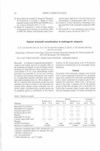
July 1987 in “Contact Dermatitis”
14 citations
,
July 1987 in “Contact Dermatitis” A small percentage of minoxidil users may develop an allergic skin reaction.
June 2025 in “British Journal of Dermatology” Low-dose oral minoxidil is increasingly used by dermatologists in the UK and Ireland to treat various hair loss conditions.
 June 2010 in “Chin J Postgrad Med”
 Using prednisone, zinc, and minoxidil together effectively treats hair loss with long-term benefits and is safe to use.
 7 citations
,
January 2021 in “Cureus”
7 citations
,
January 2021 in “Cureus” A woman had an allergic skin reaction to a hair loss treatment containing minoxidil and should not use it.
 August 2018 in “Reactions Weekly”
 A woman had an allergic skin reaction to a hair loss treatment called minoxidil.
August 2022 in “International Journal of Dermatology” Low-dose oral and sublingual minoxidil seem safe for children with hair disorders.
1 citations
,
December 2007 in “Journal of Microbiology and Biotechnology” Minoxidil in triamino alpha-cyclodextrin promotes hair growth effectively.