3 citations
,
January 2002 in “Actas Dermo-Sifiliográficas” Excessive minoxidil use can damage hair structure.
4 citations
,
January 2009 in “International journal of trichology” Minoxidil topical foam is a better, less irritating treatment for hair loss.
4 citations
,
December 2024 in “European Journal of Medicinal Chemistry” New pyrazole-based inhibitors show promise for treating metabolic diseases and other conditions.
15 citations
,
June 2012 in “British Journal of Dermatology” A new mutation in the KRT86 gene causes a hair disorder with variable expression.
5 citations
,
November 2010 in “Veterinary Record” The monkeys' skin infection was cured in eight weeks using oral terbinafine, topical washes, and disinfectant fogging.
21 citations
,
February 2006 in “Clinical Cancer Research” Mitf plays a key role in melanoma progression and is linked to disease stage.
 2 citations
,
August 2023 in “Development”
2 citations
,
August 2023 in “Development” Hair follicles in the back of the rosette fancy mouse have reversed orientations due to a gene mutation.
December 2010 in “대한미용학회지” PMWE effectively stimulates hair growth and is safer than minoxidil.
 63 citations
,
April 2003 in “Journal of The European Academy of Dermatology and Venereology”
63 citations
,
April 2003 in “Journal of The European Academy of Dermatology and Venereology” Minoxidil use increases facial hair growth in females, more in older users.
1 citations
,
February 2025 in “Frontiers in Nutrition” Hawthorn-probiotic postbiotic may relieve constipation in elderly.
3 citations
,
March 2012 in “Arab Journal of Urology” Certain drugs can reduce bladder muscle contractions, potentially helping treat bladder diseases.
 57 citations
,
February 1975 in “Journal of Clinical Investigation”
57 citations
,
February 1975 in “Journal of Clinical Investigation” Minoxidil boosts plasma renin activity, influenced by control plasma renin activity and changes in sympathetic tone.
January 2009 in “The Chinese Journal of Dermatovenereology” Higher doses of Tribulus terrestris extract increase MC-1R expression in mouse hair follicles.
October 2025 in “Frontiers in Endocrinology” Methimazole for hyperthyroidism has known and new side effects needing more study for safety.
 1 citations
,
February 2022 in “Veterinární Medicína”
1 citations
,
February 2022 in “Veterinární Medicína” A cat fully recovered from minoxidil poisoning with specific treatments.
3 citations
,
January 2016 in “Case reports in dermatological medicine” An 80-year-old man grew extra hair on his forearms after starting Alzheimer's medication rivastigmine.
5 citations
,
June 2020 in “Medicine” A patient with a rare disease had a unique genetic mutation linked to their symptoms.
1 citations
,
November 2024 in “Neuro-Oncology” Temozolomide can cause severe bone marrow suppression, leading to life-threatening complications.
July 2020 in “Faculty Opinions – Post-Publication Peer Review of the Biomedical Literature” 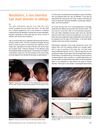 4 citations
,
January 2014 in “Indian dermatology online journal”
4 citations
,
January 2014 in “Indian dermatology online journal” Monilethrix is a genetic hair disorder causing fragile, beaded hair with no effective treatment.
 January 2026 in “Cosmoderma”
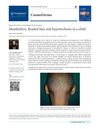
 A 9-year-old girl has a rare hair disorder causing beaded, sparse hair.
 119 citations
,
October 2011 in “Journal of Veterinary Internal Medicine”
119 citations
,
October 2011 in “Journal of Veterinary Internal Medicine” Rhodococcus equi causes severe pneumonia in young foals, and effective vaccines are needed due to foals' weak immune responses.
March 1983 in “International Journal of Dermatology” Minoxidil can cause excessive hair growth.
September 2024 in “Dermatology Online Journal” Facial hair growth from minoxidil stopped after she quit using it.
 May 2025 in “Pediatric Dermatology”
 Topical and oral minoxidil are the best treatments for monilethrix.
 September 2024 in “Journal of Anatomy and Histopathology”
 Miliacin helps damaged hair follicles grow new hair faster.
 26 citations
,
April 1977 in “PubMed”
26 citations
,
April 1977 in “PubMed” Minoxidil, a blood pressure drug, can cause excessive hair growth, but this can be successfully treated with a hair removal agent called calcium thioglycolate.
4 citations
,
January 2013 in “International Journal of Trichology” Monilethrix has no effective treatment, but avoiding hair trauma helps manage it.
1 citations
,
January 1981 in “Elsevier eBooks” Melatonin stops melanin production after tyrosinase action, with cyclic GMP mimicking this effect.
73 citations
,
November 1979 in “British Journal of Dermatology” Minoxidil can cause excessive hair growth.