 November 2024 in “Communities in ADDI (University of the Basque Country)”
 Antisense oligonucleotides show promise for treating Myotonic Dystrophy type I.
 13 citations
,
February 2018 in “Bio-medical Materials and Engineering”
13 citations
,
February 2018 in “Bio-medical Materials and Engineering” Minoxidil inside tiny particles can deliver more drug to hair follicles, potentially improving treatment for hair loss.
 76 citations
,
June 2015 in “Journal of biomedical science”
76 citations
,
June 2015 in “Journal of biomedical science” Mutations in Gasdermin A3 cause skin inflammation and hair loss by disrupting mitochondria.
3 citations
,
March 2024 in “iScience” Long-lived proteins may predict age-related diseases.
 38 citations
,
January 2016 in “Cell Death and Disease”
38 citations
,
January 2016 in “Cell Death and Disease” The TCL1 transgenic mouse model is useful for understanding human B-cell leukemia and testing new treatments.
 November 2022 in “Journal of Investigative Dermatology”
 Some people with schwannomatosis have a new type of mutation in the LZTR1 gene.
305 citations
,
March 2008 in “AJP Endocrinology and Metabolism” SSAT is a key enzyme affecting cell growth and metabolism, with potential but risky use in disease treatment.
December 2019 in “Saintika Medika” A woman with lupus also developed a severe skin condition linked to a genetic factor.
1 citations
,
February 1991 in “Journal of Biological Chemistry” 
IL6 is linked to higher risk of heart disease in people with a certain mouth condition.
3 citations
,
July 2023 in “Cells” MG53 helps reduce skin damage caused by nitrogen mustard.
323 citations
,
November 2017 in “Bioanalysis” Matrix effects in LC-MS can be managed but not completely avoided.
July 2026 in “Pediatric Allergy and Immunology” February 2026 in “Biomedicine & Pharmacotherapy” MLPH helps hair grow by activating IGF-1 signaling in hair cells.
477 citations
,
March 2004 in “Proceedings of the National Academy of Sciences” The DMI3 gene is essential for nodule development and symbiosis in certain plants.
January 2025 in “Indian Journal of Dermatopathology and Diagnostic Dermatology” Dermoscopy helps diagnose rare GLPLS in males.
 September 2025 in “Pediatric Dermatology”
 Low-dose oral minoxidil may help children with short anagen syndrome grow longer hair.
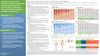 March 2026 in “SKIN The Journal of Cutaneous Medicine”
 All parts of the CLASI-A score are important for assessing skin activity in cutaneous lupus erythematosus.
 April 2016 in “Journal of The American Academy of Dermatology”
 Lichen planus may be associated with a higher risk of metabolic syndrome.
 March 2020 in “The journal of investigative dermatology/Journal of investigative dermatology”
 Suppressing very long chain fatty acids is linked to skin cancer.
September 2017 in “Journal of Investigative Dermatology” LRIG1 protein affects hair growth by regulating skin receptors, leading to hair loss when overexpressed.
 20 citations
,
March 2023 in “Drug Delivery and Translational Research”
20 citations
,
March 2023 in “Drug Delivery and Translational Research” The new gel effectively treats MRSA-infected wounds for longer.
Both treatments improved hair loss, but 15% Minoxidil caused more side effects than Low Level Laser Therapy.
July 2022 in “Journal of Investigative Dermatology” Arg1+ macrophages may play a role in Alopecia Areata, offering new treatment targets.
79 citations
,
June 1991 in “Journal of Medical Genetics” X-linked mental retardation includes various syndromes with both mental and physical abnormalities.
The scant hair in snthr-1Bao mice is likely caused by a deletion affecting the Plcd1 gene.
82 citations
,
July 2012 in “Brain pathology” High LGR5 levels in glioblastoma indicate poor prognosis and are essential for cancer stem cell survival.
 April 2018 in “The journal of investigative dermatology/Journal of investigative dermatology”
 Mitochondrial dysfunction may contribute to chronic inflammation and immune system issues in Lichen planopilaris.
3 citations
,
August 2024 in “Molecular Biology Reports” LncRNA018392 helps goat skin cells grow by increasing CSF1R.
May 2025 in “OPAL (Open@LaTrobe) (La Trobe University)” Linoleic acid and magnesium are key in alopecia areata progression, and tofacitinib can help by affecting their pathway.