15 citations
,
June 2012 in “British Journal of Dermatology” A new mutation in the KRT86 gene causes a hair disorder with variable expression.
 5 citations
,
August 2020 in “Stem Cell Research & Therapy”
5 citations
,
August 2020 in “Stem Cell Research & Therapy” Using fat-derived stem cells with the drug meglumine antimoniate can help control skin disease and reduce parasites in mice with leishmaniasis.
 July 2023 in “Institutional Repositories DataBase (IRDB)”
 Malassezia species may contribute to hair loss in AGA patients.
 April 2026 in “International Journal of Clinical Case Reports and Reviews”
 A new non-invasive laser system improves chronic disease management and metabolic health.
 29 citations
,
September 1990 in “Biochemical Journal”
29 citations
,
September 1990 in “Biochemical Journal” Enzyme purified and characterized for minoxidil sulphation in rat liver.
74 citations
,
January 2020 in “Frontiers in Genetics” m6A methylation affects cashmere fiber growth in goats.
 67 citations
,
August 2007 in “American Journal of Pathology”
67 citations
,
August 2007 in “American Journal of Pathology” Overexpressing the mineralocorticoid receptor in mouse skin causes skin thinning, early skin barrier development, eye issues, and hair loss.
3 citations
,
March 2019 in “American Journal of Dermatopathology” Recognizing rare tumor combinations is crucial for accurate diagnosis and treatment.
18 citations
,
January 2013 in “Evidence-based Complementary and Alternative Medicine” Aconiti Lateralis Preparata Radix helps mouse stem cells grow and turn into bone cells faster than usual methods.
January 2022 in “Figshare” lncRNA MTC helps goat skin cells grow and may aid hair growth by controlling proteins linked to cell growth.
July 2025 in “Journal of Investigative Dermatology” M1 homeopathic complex may help slow melanoma cell growth.
Deleting the MAD2L1 gene is tolerated in certain mouse cancer models.
5 citations
,
May 2001 in “Proceedings of SPIE, the International Society for Optical Engineering/Proceedings of SPIE” The DWLSM provides detailed imaging of hair shafts and follicles with high accuracy.
49 citations
,
January 2010 in “Plant and Cell Physiology” LPR1 regulates root growth under low phosphate stress independently of SIZ1 in Arabidopsis thaliana.
3 citations
,
April 2022 in “Biomolecules” Higher miR-34a levels and the A variant of the MIR-34A gene are linked to increased risk and severity of alopecia areata.
 73 citations
,
June 2010 in “PLoS Genetics”
73 citations
,
June 2010 in “PLoS Genetics” A gene mutation in mice causes hair loss, weak bones, and protein buildup, showing how protein processing issues can lead to diseases.
76 citations
,
January 1998 in “Mammalian Genome” September 2016 in “Toxicology letters” The 5050 MHA42MCS45 hydrogel blend is suitable for repairing load-bearing soft tissues.
 1 citations
,
September 2019 in “BMC veterinary research”
1 citations
,
September 2019 in “BMC veterinary research” Malarone® caused pancreatitis and hair loss in a dog for the first time.
 7 citations
,
January 1982 in “Acta agriculturae Scandinavica”
7 citations
,
January 1982 in “Acta agriculturae Scandinavica” Mink use L-methionine and L-cystine slightly better than natural amino acids for hair growth, but D-methionine is not effective.
24 citations
,
September 2023 in “Science Advances” Mettl3 is essential for normal tissue development and self-renewal by regulating gene expression.
 February 2025 in “Journal of Dermatological Treatment”
 Low-dose oral minoxidil improved hair growth in a woman with short anagen syndrome.
August 2025 in “OPAL (Open@LaTrobe) (La Trobe University)” Machine learning optimized microneedles promote hair regrowth better than minoxidil without safety risks.
January 2024 in “Kafkas Universitesi Veteriner Fakultesi Dergisi” A specific genetic variation affects wool quality in sheep.
 5 citations
,
December 2016 in “Journal of skin and stem cell”
5 citations
,
December 2016 in “Journal of skin and stem cell” People with cutaneous Lichen Planus are more likely to have Metabolic Syndrome and related conditions like high cholesterol, diabetes, and high blood pressure.
 April 2024 in “The journal of investigative dermatology/Journal of investigative dermatology”
 ASH2L is essential for skin and hair development.
September 2022 in “Medical Mycology” Malassezia fungi may contribute to hair loss and inflammation in androgenetic alopecia.
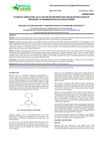 January 2026 in “International Journal of Applied Pharmaceutics”
 The method accurately measures Minoxidil in drugs and is reliable for routine use.
48 citations
,
June 2000 in “Japanese Journal of Cancer Research” Dimethylarsinic acid speeds up skin tumor growth in certain mice.
 27 citations
,
March 2022 in “Forensic Toxicology”
27 citations
,
March 2022 in “Forensic Toxicology” Micro-segmental hair analysis helps detect drug use patterns and estimate drug consumption days.