 November 2006 in “Dermatologic Surgery”
 Cutting hair follicles into pieces for transplantation results in poor growth and thinner hair, and the technique is more invasive than previously thought.
 September 1997 in “Dermatologic Surgery”
 Hair restoration has greatly improved, allowing for natural-looking hairlines and better results.
 13 citations
,
March 1998 in “Journal of Biomedical Materials Research”
13 citations
,
March 1998 in “Journal of Biomedical Materials Research” Island grafts can help study skin regeneration separately from other healing processes.
 April 2018 in “Deleted Journal”
 Skin grafts are a common, minimally invasive way to close wounds in dogs, but better methods are still being sought.
15 citations
,
December 1994 in “The American Journal of Cosmetic Surgery” Half follicular grafts are not effective for hair transplants.
 1 citations
,
January 2017 in “Journal of Aesthetic & Reconstructive Surgery”
1 citations
,
January 2017 in “Journal of Aesthetic & Reconstructive Surgery” Combining FUT and FUE hair transplant methods in one session provides more grafts and higher patient satisfaction.
60 citations
,
February 1992 in “British Journal of Dermatology” Serum from alopecia patients does not stop hair growth in grafted skin on mice.
 6 citations
,
June 2017 in “Actas dermo-sifiliográficas/Actas dermo-sifiliográficas”
6 citations
,
June 2017 in “Actas dermo-sifiliográficas/Actas dermo-sifiliográficas” Transplanting hair follicles into chronic ulcers helps them heal better.
 17 citations
,
May 2015 in “Aesthetic Plastic Surgery”
17 citations
,
May 2015 in “Aesthetic Plastic Surgery” FUE hair transplantation using a micromotor is effective and gives natural results with few complications.
 November 2018 in “Springer eBooks”
 The document concludes that specialized hair transplant techniques can be effective, with varying success rates depending on the donor area and patient factors.
 49 citations
,
March 2014 in “Journal of Investigative Dermatology”
49 citations
,
March 2014 in “Journal of Investigative Dermatology” Using the drugs AMD3100 and Tacrolimus together greatly improves skin healing and hair growth after a deep skin cut by increasing stem cells in the wound.
 10 citations
,
May 2008 in “Dermatologic Surgery”
10 citations
,
May 2008 in “Dermatologic Surgery” Densely packed hair grafts can survive well using the lateral slit technique.
 2 citations
,
September 2020 in “Hair transplant forum international”
2 citations
,
September 2020 in “Hair transplant forum international” A new tool makes hair transplant surgeries faster by creating multiple cuts in one go.
1 citations
,
December 2024 in “Journal of Maxillofacial and Oral Surgery” FUE is better than FUT for mustache reconstruction in cleft lip patients.
May 2025 in “Arquivos Catarinenses de Medicina” Fat micrografting improves hair transplant success in burn-related hair loss.
 56 citations
,
March 2016 in “International Wound Journal”
56 citations
,
March 2016 in “International Wound Journal” Skin grafts are effective for chronic leg ulcers, especially autologous split-thickness grafts for venous ulcers, but more data is needed for diabetic ulcers.
 13 citations
,
November 2018 in “Annals of Plastic Surgery”
13 citations
,
November 2018 in “Annals of Plastic Surgery” Nonshaven follicular unit extraction is a good hair transplant option that doesn't require shaving and can transplant up to 3000 grafts daily.
21 citations
,
August 2000 in “Dermatologic Surgery” The technique reduces hair loss and increases hair density in early baldness.
 13 citations
,
September 2018 in “Hair transplant forum international”
13 citations
,
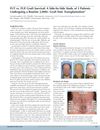
September 2018 in “Hair transplant forum international” FUE and FUT hair transplants have similar success rates, with FUE slightly better.
 April 2020 in “JOJ dermatology & cosmetics”
 New eyebrow transplant method from Taiwan gives good results without lasers or tattoos.
 November 2023 in “Facial Plastic Surgery”
 Beard hair is the best for body hair transplants, but the procedure is hard and should be done by experts.
January 2020 in “Journal of Womens Health, Issues and Care” Scalp micropigmentation is a successful, non-surgical way to make hair look fuller.
 10 citations
,
April 2010 in “Dermatologic Surgery”
10 citations
,
April 2010 in “Dermatologic Surgery” Small changes in hair restoration surgery, like using special stitches and careful graft placement, can improve results and teamwork.
Transplanting beard hair into a scalp wound after hair transplant surgery improves scar appearance and hair keeps its normal traits.
A new method using stamps improves symmetry in hair restoration surgery.
 2 citations
,
July 2013 in “Veterinary dermatology”
2 citations
,
July 2013 in “Veterinary dermatology” Dog skin with hair loss, when transplanted to mice, regrew hair, suggesting the hair loss cause is likely body-wide, not skin-specific.
 2 citations
,
February 2015 in “Journal of Tissue Engineering and Regenerative Medicine”
2 citations
,
February 2015 in “Journal of Tissue Engineering and Regenerative Medicine” Transplanting a mix of specific skin cells can significantly improve the repair of damaged hair follicles.
64 citations
,
August 1977 in “PubMed” Skin changes help detect graft-versus-host reaction early after bone marrow transplants.
3 citations
,
January 2020 in “Journal of Cutaneous and Aesthetic Surgery” A new treatment using skin and hair cells may help heal stubborn leg ulcers effectively and safely.
 November 2023 in “Journal of cosmetic dermatology”
 Fat transplants using a patient's own fat can rejuvenate and repair tissues effectively.