 4 citations
,
May 2017 in “Hair transplant forum international”
4 citations
,
May 2017 in “Hair transplant forum international” Using implanters in hair transplants can improve outcomes and cause less damage to hair follicles.
 December 2023 in “International Journal of Science and Research (IJSR)”
 FUE is a safe and effective method for beard and moustache transplants.
 July 2017 in “JAMA Dermatology”
 The document corrects a missing conflict of interest and acknowledges a pioneer in hair transplantation and his other contributions.
July 2026 in “Plastic and Aesthetic Research” Fat transplantation is becoming important in medicine for repairing tissues and delivering drugs.
 2 citations
,
March 2017 in “TURKDERM”
2 citations
,
March 2017 in “TURKDERM” Skin and mucous membrane issues are common in kids after bone marrow transplants, so careful monitoring is crucial.
October 2020 in “Plastic Surgery” Bone marrow stem cells improve healing of deep skin wounds.
 January 2019 in “Springer eBooks”
 Transplanting skin cells is a safe, effective, and affordable treatment for vitiligo.
Combining FUT and FUE techniques improves hair transplant results for severe baldness in Asians.
January 2019 in “Clinical pediatric dermatology” Scalp micropigmentation is a non-surgical alternative to hair transplants that mimics hair follicles and requires no downtime.
March 1996 in “Hair transplant forum international”  25 citations
,
August 1998 in “Dermatologic Surgery”
25 citations
,
August 1998 in “Dermatologic Surgery” Dissecting microscopes give more and better quality hair grafts than magnifying loupes.
 1 citations
,
May 2018 in “Hair transplant forum international”
1 citations
,
May 2018 in “Hair transplant forum international” Hair transplant techniques and scalp micropigmentation can effectively hide scars and hair loss after cranial surgery.
 60 citations
,
April 2006 in “International Journal of Dermatology”
60 citations
,
April 2006 in “International Journal of Dermatology” Surgical methods like suction blister grafting and split-thickness skin grafting are highly successful for vitiligo repigmentation, but choosing the right patients is crucial for success.
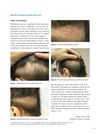 11 citations
,
June 2008 in “Dermatologic Surgery”
11 citations
,
June 2008 in “Dermatologic Surgery” Transplanting chest hair into scalp scars may effectively treat wide donor scars in hair restoration.
1 citations
,
October 2022 in “Hair Transplantation” Body hair can be used for hair transplants when scalp hair is insufficient.
February 2025 in “Jurnal Kedokteran Brawijaya” Autologous skin cell transplantation speeds up healing and xenografts improve skin color in burn care.
 2 citations
,
June 2024 in “Archives of Dermatological Research”
2 citations
,
June 2024 in “Archives of Dermatological Research” Combining FCS and MPG is more effective for treating stable vitiligo than using either alone.
15 citations
,
January 2013 in “Dermatologic Surgery” Epithelial grafting can effectively repigment white hair in vitiligo patients.
 January 2017 in “Journal of Plastic Reconstructive and Aesthetic Surgery”
 The authors suggest using scalp hair follicles for beard reconstruction to improve results and reduce surgery time and patient discomfort.
October 2022 in “Hair Transplantation” Successful hair transplants need enough donor hair and careful planning.
May 2023 in “Zenodo (CERN European Organization for Nuclear Research)”  2 citations
,
November 2016 in “PubMed”
2 citations
,
November 2016 in “PubMed” Robotic hair restoration is efficient, minimally invasive, reduces scarring, and leads to quick healing with high patient satisfaction.
27 citations
,
April 1971 in “Surgical Clinics of North America” The punch graft technique effectively redistributes hair to cover bald areas.
 7 citations
,
September 2017 in “Journal der Deutschen Dermatologischen Gesellschaft”
7 citations
,
September 2017 in “Journal der Deutschen Dermatologischen Gesellschaft” Occipital donor sites for skin grafts heal faster, hurt less, look better, and have fewer complications than femoral sites.
Autologous Regenerative Therapy may improve hair restoration by using stem cells from fat.
 4 citations
,
November 2003 in “Annals of Plastic Surgery”
4 citations
,
November 2003 in “Annals of Plastic Surgery” Hair from the head was successfully used to restore pubic hair, with additional procedures suggested for more natural results.
20 citations
,
August 2005 in “Journal of Cutaneous Medicine and Surgery” Hair transplant for eyebrow alopecia areata provided significant relief and improved treatment response.
 29 citations
,
September 1997 in “PubMed”
29 citations
,
September 1997 in “PubMed” Follicular transplantation can greatly improve hair restoration if done with detailed planning and patient evaluation.
 4 citations
,
January 2005 in “Elsevier eBooks”
4 citations
,
January 2005 in “Elsevier eBooks” Follicular Unit Transplantation is a precise hair restoration technique that requires careful planning and a skilled team, and Follicular Unit Extraction offers a less invasive option.
 1 citations
,
January 2010 in “Elsevier eBooks”
1 citations
,
January 2010 in “Elsevier eBooks” Follicular Unit Hair Transplantation is a method for restoring hair by transplanting individual hair follicles.