July 2026 in “Bioactive Materials” A new method using tiny needles can help regrow hair in a controlled way.
 4 citations
,
February 2020 in “Journal of Cosmetic Dermatology”
4 citations
,
February 2020 in “Journal of Cosmetic Dermatology” Trichoscopy helps diagnose hairline recession causes in Egyptian women, with androgenetic alopecia being the most common.
 February 2024 in “Skin research and technology”
 LC-OCT is a promising tool for diagnosing and monitoring Alopecia areata.
January 2005 in “Journal of Zhejiang University(Sciences Edition)” Yuyi hairless mice lose hair after birth, develop thick, loose skin with folds, and show disorganized skin structure as they age.
 19 citations
,
June 2020 in “Animals”
19 citations
,
June 2020 in “Animals” Poor maternal nutrition can lead to fewer wool follicles in Chinese Merino sheep.
 4 citations
,
April 2010 in “Expert review of dermatology”
4 citations
,
April 2010 in “Expert review of dermatology” Restoring immune privilege in hair follicles could help treat certain types of hair loss.
Hair follicle-like structures can form when specific hair cells are mixed and implanted in mice.
 56 citations
,
March 2015 in “Journal of Investigative Dermatology”
56 citations
,
March 2015 in “Journal of Investigative Dermatology” Healthy mitochondria in skin cells are essential for proper hair growth and skin cell interaction in mice.
 July 2019 in “Journal der Deutschen Dermatologischen Gesellschaft”
 A mother and daughter have a rare genetic hair loss disorder with no effective treatment.
 August 2023 in “Research Square (Research Square)”
 Melanocytes may trigger the immune response in alopecia areata, affecting hair regrowth.
 May 2022 in “Journal of Cosmetic Dermatology”
 The authors suggest a method for hair transplantation in fibrosing alopecia pattern distribution to improve treatment outcomes and cover bald areas.
 July 2024 in “Journal Archives of Health”
 Woolly hair is a rare genetic condition with no effective treatments.
January 2008 in “Bradford Scholars (University of Bradford)” Alopecia areata may be caused by antibodies targeting specific hair follicle proteins, hindering hair growth.
26 citations
,
December 1979 in “Journal of Cutaneous Pathology” Seborrheic keratoses may partly come from hair follicle cells.
 15 citations
,
February 1999 in “The anatomical record”
15 citations
,
February 1999 in “The anatomical record” Some mutant mice have hair with abnormal cross-linking, mainly in the cuticle, not affecting other hair parts.
 2 citations
,
April 2017 in “PubMed”
2 citations
,
April 2017 in “PubMed” Fat cells near hair follicles may affect hair growth and could help treat baldness.
 46 citations
,
January 1991 in “Journal of Investigative Dermatology”
46 citations
,
January 1991 in “Journal of Investigative Dermatology” Minoxidil works in liver and outer hair root sheath for hair growth.
31 citations
,
September 1996 in “Differentiation” The upper dermal sheath can regenerate hair in rats.
118 citations
,
January 1992 in “Experientia” 3 citations
,
January 1988 in “The Nishinihon Journal of Dermatology” Minoxidil slows hair cell growth but doesn't change cell shape or development.
14 citations
,
March 2000 in “Journal of Zoo and Wildlife Medicine” A new type of mite caused hair loss in a koala, which was treated successfully with ivermectin.
ocu-miR-205 affects hair density in Rex rabbits by promoting cell changes that lead to more hair follicles entering resting phases.
 16 citations
,
April 2007 in “Journal of Medical Primatology”
16 citations
,
April 2007 in “Journal of Medical Primatology” The monkey's hair loss was due to an autoimmune disease, not genetics.
May 2025 in “BMC Genomics” Circ 0020938 slows down hair growth in cashmere goats.
 2 citations
,
August 1994 in “Archives of dermatology”
2 citations
,
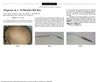
August 1994 in “Archives of dermatology” A 19-month-old boy with a rare hair disorder showed mild improvement with treatment, but his family chose gentle hair care due to limited success.
 March 2025 in “Forum Dermatologicum”
 Trichoscopy is crucial for accurately diagnosing fibrosing alopecia in pattern distribution.
 24 citations
,
April 2020 in “Cells”
24 citations
,
April 2020 in “Cells” DNA methylation and long non-coding RNAs are key in controlling hair growth in Cashmere goats.
8 citations
,
January 1989 in “PubMed” Minoxidil did not affect hair growth in newborn mice.
24 citations
,
May 2022 in “BMC Veterinary Research” lncRNAs play a key role in hair follicle development, affecting cashmere quality and yield.
 16 citations
,
February 2010 in “Journal of the European Academy of Dermatology and Venereology”
16 citations
,
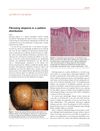
February 2010 in “Journal of the European Academy of Dermatology and Venereology” Fibrosing alopecia in a pattern distribution is a unique hair loss condition that may respond to antiandrogen therapy.