 3 citations
,
January 2016 in “Annals of Dermatology”
3 citations
,
January 2016 in “Annals of Dermatology” Minoxidil was the most effective treatment for hair regrowth in rats compared to Aminexil or Kerium.
6 citations
,
January 1994 in “PubMed” The molecular mechanisms controlling hair growth phases are not fully understood yet.
 May 2019 in “Ukraïnsʹkij bìofarmacevtičnij žurnal”
 The cream-mask and gel-mask with certain plant extracts improved hair growth in rats similar to a common hair growth treatment.
 11 citations
,
October 1994 in “The Journal of Clinical Endocrinology and Metabolism”
11 citations
,
October 1994 in “The Journal of Clinical Endocrinology and Metabolism” Finasteride increases hair growth, prolongs hair cycle, and lowers dihydrotestosterone levels.
2 citations
,
September 2022 in “World Rabbit Science” The WIF1 gene is crucial for hair growth in Angora rabbits.
1 citations
,
May 2024 in “Preprints.org” Rex rabbit fur is best harvested at 120 days for optimal hair density and quality.
 52 citations
,
October 2004 in “Veterinary dermatology”
52 citations
,
October 2004 in “Veterinary dermatology” Melatonin and mitotane treatment led to hair re-growth in 62% of dogs with Alopecia X, but this was not always linked to normal hormone levels.
 January 2024 in “Pediatric Dermatology”
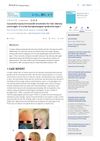
 Minoxidil improved hair growth in a child with a rare genetic disorder.
May 2025 in “BMC Genomics” Circ 0020938 slows down hair growth in cashmere goats.
 5 citations
,
January 2016 in “Genetics and Molecular Research”
5 citations
,
January 2016 in “Genetics and Molecular Research” Researchers found 617 genes that behave differently in cashmere goat hair follicles, which could help understand hair growth.
Pimpinella anisum L. extract significantly boosts hair growth in mice.
 4 citations
,
April 2012 in “Asian-australasian Journal of Animal Sciences”
4 citations
,
April 2012 in “Asian-australasian Journal of Animal Sciences” Red deer antler extract may help hair grow faster by increasing a growth protein.
 124 citations
,
August 1994 in “Journal of Investigative Dermatology”
124 citations
,
August 1994 in “Journal of Investigative Dermatology” Dexamethasone speeds up hair loss in mice, while cyclosporin A slows it down.
 July 2023 in “Indian Journal of Animal Health”
 FGF-5 promotes Cashmere goat hair growth by increasing keratin genes and reducing certain LncRNA and target genes.
FGF5 spliceosomes inhibit rabbit hair growth by affecting gene expression.
24 citations
,
May 2022 in “BMC Veterinary Research” lncRNAs play a key role in hair follicle development, affecting cashmere quality and yield.
1 citations
,
May 2022 in “International Journal of Cosmetic Science” Edelweiss extract can increase hair density and promote hair growth.
 30 citations
,
December 2014 in “Toxicological Research”
30 citations
,
December 2014 in “Toxicological Research” Peppermint oil can effectively promote hair growth without being toxic.
20 citations
,
January 2017 in “Genetica” The methylation of the HOXC8 gene's exon 1 affects cashmere fiber length in goats.
 22 citations
,
February 2017 in “Clinical and Experimental Dermatology”
22 citations
,
February 2017 in “Clinical and Experimental Dermatology” Icariin helps mouse hair grow by boosting a growth factor in skin cells.
 127 citations
,
December 2007 in “Journal of Investigative Dermatology”
127 citations
,
December 2007 in “Journal of Investigative Dermatology” Mice hair growth patterns get more complex with age and can change with events like pregnancy or injury.
Black sesame oil promotes hair growth and may prevent hair loss.
3 citations
,
December 2024 in “Journal of Animal Physiology and Animal Nutrition” FGF20 is essential for hair follicle stem cell growth and development in fine-wool sheep.
 6 citations
,
October 2018 in “Endocrinology”
6 citations
,
October 2018 in “Endocrinology” Prenatally androgenized ewes can model increased hair diameter in women with PCOS.
 February 2026 in “Animals”
 Methionine supplementation in low-protein diets improves growth, fur quality, and gut health in blue foxes.
IGF-I and EGF together boost sheep hair follicle growth.
March 1996 in “Proceedings of the British Society of Animal Science” Increasing dietary zinc improves dogs' hair growth and coat condition.
 1 citations
,
January 2013 in “International Journal of Medicinal and Aromatic Plants”
1 citations
,
January 2013 in “International Journal of Medicinal and Aromatic Plants” Flaxseed ingestion and oil application help rabbit hair grow.
2 citations
,
January 2007 in “Jounal of The Korean Society of cosmetology” 32 citations
,
April 2020 in “BMC Developmental Biology” Ocu-miR-205 helps control hair growth in Rex rabbits by affecting cell processes and signaling pathways.