 January 2004 in “Online Publication Service of Würzburg University (Würzburg University)”
 Women with PCOS have higher 5alpha-reductase activity, affecting steroid levels.
 June 1996 in “Irish Journal of Medical Science (1971 -)”
 The document summarizes medical findings on topics like heart rhythm treatment, sleep apnea therapy, and various health conditions and treatments.
 May 1991 in “Current problems in dermatology”
 Skin issues can indicate immune system problems.
 June 2026 in “Discover Immunity.”
 Mesenchymal stem cells help improve skin healing and rejuvenation.
 April 2026 in “Frontiers in Cell and Developmental Biology”
 GPCRs are vital for wound healing by affecting cell growth and immune response.
 March 2026 in “Frontiers in Immunology”
 Regulatory T cells help heal skin wounds by reducing inflammation and promoting tissue repair.
 February 2026 in “Frontiers in Immunology”
 Age-related immune changes worsen Parkinson's disease, suggesting new treatment strategies.
 January 2026 in “Journal of Biomedical Research”
 Small extracellular vesicles from stem and immune cells show promise for treating various diseases but face challenges in clinical use.
 January 2026 in “Florence Research (University of Florence)”
 Wound healing involves four phases with various cells, but more research is needed on certain interactions.
 December 2025 in “Drug Discovery and Molecular Docking (DDMD)”
 Single-cell transcriptomics reveals detailed cellular diversity and key pathways in tissue regeneration.
 November 2025 in “Nanoscale Advances”
 Inorganic nanoparticle-based scaffolds can improve wound healing by fighting bacteria and helping tissue grow.
 November 2025 in “Journal of Disease and Public Health”
 Post-COVID-19 syndrome is complex, affects 5%-10% of people, and requires better research and global collaboration for treatment.
 August 2025 in “Majalah Obstetri & Ginekologi”
 Vaccination helps reduce long COVID symptoms in women with PCOS.
 May 2025 in “The Journal of Rheumatology”
 A woman with skin and joint issues progressed from one type of lupus to another, highlighting the need to recognize complex conditions.
 May 2025 in “The Journal of Rheumatology”
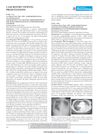
 Early diagnosis and treatment are crucial for CAPS, and Eculizumab can be effective.
 May 2025 in “The Journal of Rheumatology”
 Trans-esophageal echocardiography is crucial for accurately diagnosing heart issues in lupus patients.
 May 2025 in “The Journal of Rheumatology”
 Chronic granulomatous disease may be linked to developing systemic lupus erythematosus.
 May 2025 in “The Journal of Rheumatology”
 Anifrolumab may help improve symptoms in patients with overlapping autoimmune diseases.
 May 2025 in “The Journal of Rheumatology”
 Proactive physical therapy improved mobility, reduced fatigue, and pain in lupus patients.
 May 2025 in “The Journal of Rheumatology”
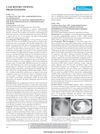
 Anti-CD19 therapy may help treat SLE and NMOSD.
 May 2025 in “The Journal of Rheumatology”
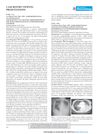
 Early recognition and management of gastrointestinal tuberculosis in lupus patients are crucial to prevent complications.
 May 2025 in “The Journal of Rheumatology”
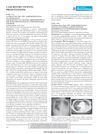
 Purpura fulminans can signal underlying autoimmune disorders, not just infections.
 May 2025 in “The Journal of Rheumatology”
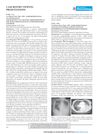
 Lupus patients in Ghana face healthcare challenges, and the Oyemam Autoimmune Foundation is working to improve awareness and support.
May 2025 in “The Journal of Rheumatology” Bullous lupus can cause severe esophageal issues but responds well to corticosteroids and azathioprine.
 May 2025 in “The Journal of Rheumatology”
 Atypical symptoms in lupus can indicate different kidney issues.
 May 2025 in “The Journal of Rheumatology”
 Correct diagnosis is crucial for treating overlapping conditions like NMOSD and SLE effectively.
 May 2025 in “The Journal of Rheumatology”
 Middle-aged women with dilated cardiomyopathy should be screened for antiphospholipid syndrome.
 May 2025 in “The Journal of Rheumatology”
 Early recognition and a team approach are crucial for managing diffuse alveolar hemorrhage in antiphospholipid syndrome.
 May 2025 in “The Journal of Rheumatology”
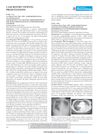
 SLE can cause unusual gastrointestinal symptoms, and immunosuppressive therapy can be effective.
 December 2024 in “African Journal of Biomedical Research”
 Combining lifestyle changes and medication is most effective for managing PCOS symptoms.