 59 citations
,
June 2008 in “Journal of The American Academy of Dermatology”
59 citations
,
June 2008 in “Journal of The American Academy of Dermatology” The article explains the genetic causes and symptoms of various hair disorders and highlights the need for more research to find treatments.
 January 2016 in “Elsevier eBooks”
 Trichoscopy is a key method for dermatologists to quickly and effectively diagnose hair and scalp conditions.
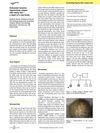 1 citations
,
August 2011 in “Dermatology Reports”
1 citations
,
August 2011 in “Dermatology Reports” Two siblings were found to have a genetic condition causing progressive hair loss and woolly hair, which may often be misdiagnosed.
 April 2023 in “Our Dermatology Online”
 Trichoscopy is effective in diagnosing trichotillomania by showing specific hair patterns.
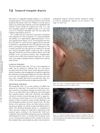 April 2012 in “Informa Healthcare eBooks”
 Temporal triangular alopecia is a lifelong condition with hairless patches on the side of the head that may be present from birth.
 178 citations
,
December 2011 in “Journal of Dermatological Case Reports”
178 citations
,
December 2011 in “Journal of Dermatological Case Reports” Trichoscopy is a useful tool for diagnosing different hair and scalp diseases by their unique visual features.
24 citations
,
June 2003 in “Journal of Structural Biology” Sheet formation is key to macrofibril structure differences in wool.
Genetic factors might cause fibrosing alopecia linked to hair shaft abnormalities.
3 citations
,
January 1989 in “The Nishinihon Journal of Dermatology” A hair cyst can become cancerous, showing specific keratins from the hair sheath.
 April 2016 in “Journal of The American Academy of Dermatology”
 The study found that Temporal Triangular Alopecia often starts in early childhood, mainly affects the left side of the scalp, and has no effective treatment except surgery.
January 2011 in “Yearbook of Dermatology and Dermatologic Surgery”  November 2025 in “Journal of Skin and Sexually Transmitted Diseases”
 Trichofolliculoma was found in a person with amniotic band syndrome for the first time.
July 2026 in “Biochemical and Biophysical Research Communications” 2 citations
,
April 1970 in “Archives of Dermatology” Ichthyosis serpentina may be a variant linked to bamboo hair, with a possible genetic component.
 January 2020 in “Przegla̧d dermatologiczny”
 A 5-year-old boy was diagnosed with congenital triangular alopecia, a type of hair loss without skin changes, usually starting between ages 2-5, with no specific treatment.
 26 citations
,
September 2016 in “International Journal of Dermatology”
26 citations
,
September 2016 in “International Journal of Dermatology” Trichoscopy is good for telling apart tinea capitis and alopecia areata in kids.
 January 2023 in “Asian Journal of Pediatric Research”
 Trichoscopy is crucial for diagnosing and assessing alopecia areata in children.
February 2024 in “Pediatric Dermatology” A 5-year-old girl with a rare genetic disorder, lipoid proteinosis, showed reduced new lesions but persistent scars after avoiding skin trauma.
2 citations
,
January 1987 in “PubMed” Woolly hair syndrome is a genetic condition causing frizzy, fragile hair.
1 citations
,
April 2018 in “Journal of Investigative Dermatology” The Trichodysplasia spinulosa virus protein can cause abnormal hair growth in mice.
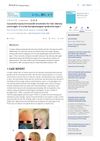 January 2024 in “Pediatric Dermatology”
 Minoxidil improved hair growth in a child with a rare genetic disorder.
November 2023 in “Вопросы современной педиатрии” Genetic testing can diagnose hair loss linked to DSG4 gene variants.
February 2023 in “International Journal of Advanced Research” Trichoscopy is a cost-effective and non-invasive tool for diagnosing alopecia areata.
 5 citations
,
August 2014 in “Archivos Argentinos de Pediatria”
5 citations
,
August 2014 in “Archivos Argentinos de Pediatria” A girl with Turner syndrome had psoriasis, alopecia areata, and trachyonychia.
February 2023 in “Zenodo (CERN European Organization for Nuclear Research)” Trichoscopy is a useful and affordable tool for diagnosing Alopecia areata.
25 citations
,
March 2007 in “The journal of investigative dermatology/Journal of investigative dermatology” A specific gene mutation causes varying hair loss severity in a Pakistani family.
1 citations
,
June 2022 in “Tidsskrift for Den norske legeforening” A young boy's uncombable hair is due to a rare genetic condition that usually improves over time.
September 2022 in “Research Square (Research Square)” 5% topical minoxidil improves hair density and quality in monilethrix patients.
 August 2022 in “Case reports in medicine”
 Long eyelashes in a patient were an unusual sign of systemic lupus erythematosus.
32 citations
,
August 2016 in “Science Signaling” Alopecia areata patients show unique protein activity patterns, suggesting imbalanced signaling pathways.