 June 2022 in “Frontiers in Immunology”
 Tofacitinib regrew hair in a man with total hair loss but raised cytokine levels, needing more research on possible side effects.
![[4-t-Butylphenyl]-N-(4-imidazol-1-yl phenyl)sulfonamide (ISCK03) Inhibits SCF/c-kit Signaling in 501mel Human Melanoma Cells and Abolishes Melanin Production in Mice and Brownish Guinea Pigs](/images/assets/4eb017dc-711d-4926-bcd0-c3b8f48e3a99/small/19974.jpg) 26 citations
,
July 2007 in “Biochemical Pharmacology”
26 citations
,
July 2007 in “Biochemical Pharmacology” ISCK03 stops melanin production in human melanoma cells and lightens skin color in mice and guinea pigs.
January 2026 in “Advances in Clinical and Experimental Medicine” Regulatory T cells and mesenchymal stem cells work together to prevent immune system overreactions and tissue damage.
39 citations
,
April 2023 in “Science Advances” CD34+ cells help heal damaged limbs by promoting blood vessel growth.
 1 citations
,
March 2023 in “Science Translational Medicine”
1 citations
,
March 2023 in “Science Translational Medicine” Blocking a certain signal in the gp130 receptor can improve tissue healing and lessen osteoarthritis symptoms.
 4 citations
,
July 2025 in “Frontiers in Immunology”
4 citations
,
July 2025 in “Frontiers in Immunology” Early intervention with JAK inhibitors may prevent alopecia areata progression.
Androgens reduce macrophage receptor expression, affecting immune response, while antiandrogens counteract this effect.
 January 2023 in “Annals of dermatology/Annals of Dermatology”
 A substance called miR-1246 may help treat severe hair loss by reducing certain immune cell activities.
20 citations
,
March 2019 in “Case Reports in Dermatology” IL-17 inhibitors for psoriasis may cause unexpected hair loss.
July 2024 in “Journal of Investigative Dermatology” A KLK5 inhibitor effectively improved skin symptoms in a mouse model of Netherton Syndrome.
1 citations
,
November 2024 in “Blood” PI3Kδ inhibition may effectively treat cutaneous chronic graft-versus-host disease.
 4 citations
,
July 2017 in “Archivum Immunologiae et Therapiae Experimentalis”
4 citations
,
July 2017 in “Archivum Immunologiae et Therapiae Experimentalis” Retinol may affect immune responses in people with frequent skin boils.
38 citations
,
January 2017 in “Mediators of Inflammation” Platelet-released growth factors can reduce inflammation in joint disease.
14 citations
,
January 2023 in “Nature Immunology” iNKT cells help develop and maintain healthy skin in young mice.
52 citations
,
September 2014 in “Nature medicine” JAK inhibitors might help treat alopecia areata.
March 2025 in “The Egyptian Journal of Medical Microbiology” Inflammation is linked to hair loss.
July 2022 in “Journal of Investigative Dermatology” 5 citations
,
April 2019 in “Journal of Investigative Dermatology” Oral JAK inhibitors improved alopecia areata by modulating immune responses and boosting hair growth.
November 2025 in “Journal of Investigative Dermatology” IMG-007 helps regrow hair and reduce scalp inflammation in severe alopecia areata.
 November 2023 in “The journal of investigative dermatology/Journal of investigative dermatology”
 Blocking TYK2 might be a new way to treat hair loss from alopecia areata.
 48 citations
,
January 2024 in “Immune Network”
48 citations
,
January 2024 in “Immune Network” IL-15 is key for T cell function and could help improve treatments for immune-related diseases.
7 citations
,
May 2025 in “Journal of Biomedical Science” Keratin 6A increases skin inflammation, suggesting it could be a target for treating certain skin diseases.
November 2022 in “Journal of Investigative Dermatology” ILC1-like cells can cause alopecia areata by affecting hair follicles.
 September 2025 in “Arthritis Research & Therapy”
 BMS-470539 reduces skin fibrosis and inflammation.
1 citations
,
October 2013 in “The American Journal of Gastroenterology” Infliximab can trigger lupus-like symptoms in Crohn's disease patients.
May 2026 in “Journal of Human Immunity” Ruxolitinib reduced inflammation and improved symptoms in APECED patients but may cause anemia and weight gain.
 April 2017 in “Journal of Investigative Dermatology”
 Cow milk sugars increase fat production and inflammation in skin oil cells.
14 citations
,
March 2017 in “Genes and immunity” Certain microRNAs may help treat alopecia areata by targeting immune pathways.
 2 citations
,
January 2007 in “Acta Dermato Venereologica”
2 citations
,
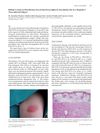
January 2007 in “Acta Dermato Venereologica” A patient developed a blister at the injection site after hepatitis C treatment.
26 citations
,
January 1992 in “Carcinogenesis” TPA strongly increases ODC activity in certain skin cells, potentially aiding tumor growth.