 1 citations
,
January 2017 in “Organic chemistry”
1 citations
,
January 2017 in “Organic chemistry” Tridax procumbens has medicinal properties like healing, pain relief, and infection control.
18 citations
,
December 2005 in “Journal of Medicinal Chemistry” A brominated phenoxy compound effectively inhibits a human enzyme and shows potential for clinical use.
2 citations
,
May 2020 in “Molecules” A new, efficient method was developed to synthesize a specific compound and its derivatives.
 3 citations
,
January 2016 in “Chemical sciences journal”
3 citations
,
January 2016 in “Chemical sciences journal” Tridax procumbens plant extracts, especially from ethanol, have strong antibacterial effects and contain beneficial compounds like flavonoids and tannins.
November 2025 in “Preprints.org” Monosaccharide composition in plant polysaccharides significantly affects their biological activities and therapeutic potential.
2 citations
,
January 2007 in “edoc (University of Basel)” Piper cubeba and Aquilaria sinensis may help prevent or treat prostate issues by balancing hormones.
 4 citations
,
January 1998 in “Heterocycles”
4 citations
,
January 1998 in “Heterocycles” Researchers made two new compounds that could be used for medicine.
 4 citations
,
August 2022 in “The Scientific World Journal”
4 citations
,
August 2022 in “The Scientific World Journal” Merremia peltata leaf extract, particularly the bufotalinin compound, shows potential for treating hair loss.
 2 citations
,
January 2023 in “Plants”
2 citations
,
January 2023 in “Plants” Plant bioactive compounds are important for health and can help prevent various diseases.
November 2023 in “Plants” Compounds from Jatropha cordata bark have significant anti-inflammatory effects and could help with hair loss.
7 citations
,
May 2022 in “Indonesian Journal of Science and Technology” Compounds from Etlingera alba may help treat Triple Negative Breast Cancer.
Teak leaf extract can help treat hair loss, and its effectiveness varies by geographic origin.
22 citations
,
June 2021 in “Plants” Sterculia foetida seed extract shows promise for therapeutic use due to its anti-inflammatory and pain-relief properties.
 January 2025 in “International Journal of Mosquito Research”
 Combining these plant extracts kills mosquito larvae effectively.
9 citations
,
December 2021 in “Molecules” Certain compounds in three Polynesian plants may help hair growth.
 12 citations
,
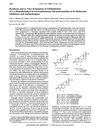
April 1995 in “Journal of Medicinal Chemistry”
12 citations
,
April 1995 in “Journal of Medicinal Chemistry” The new compounds moderately block a specific enzyme and strongly counteract a male hormone, suggesting potential for treating certain male-related health conditions.
7 citations
,
August 2010 in “Medicinal Chemistry Research” Some synthesized compounds were more effective than Finasteride in reducing prostate cancer cell growth and androgen levels.
 48 citations
,
January 2003
48 citations
,
January 2003 Endophytes from Southeast Asia and Japan can produce useful substances like enzymes and antibiotics.
The document concludes that scientists created various steroids with different properties, including a more effective semi-synthetic vitamin D.
1 citations
,
August 2025 in “Molecules” Hederagenin shows promise for cancer and inflammation treatment but needs modifications to improve effectiveness.
 December 2025 in “Zenodo (CERN European Organization for Nuclear Research)”
 Tridax procumbens is a promising herb for developing safe, affordable plant-based medicines.
40 citations
,
November 2021 in “Archives of Pharmacal Research”  112 citations
,
May 2019 in “Pharmacological Research”
112 citations
,
May 2019 in “Pharmacological Research” Lignans and neolignans from plants may help protect against various health issues, including cancer and heart disease.
February 2023 in “Reactions Weekly”  9 citations
,
November 2012 in “Biomolecules & therapeutics”
9 citations
,
November 2012 in “Biomolecules & therapeutics” A compound from brown algae boosts the production of a certain inflammatory substance in skin cells.
4 citations
,
January 2011 Phenylpropanoid sucrose esters show potential as anticancer agents.
3 citations
,
November 2024 in “Current Research in Microbial Sciences” Echinops echinatus and Tridax procumbens have compounds that fight bacteria.
 13 citations
,
May 2011 in “Bioorganic & Medicinal Chemistry”
13 citations
,
May 2011 in “Bioorganic & Medicinal Chemistry” Changing the 6-position on benzopyran molecules affects insulin release, with some compounds showing strong inhibitory effects.
 11 citations
,
March 2009 in “Bioorganic & Medicinal Chemistry Letters”
11 citations
,
March 2009 in “Bioorganic & Medicinal Chemistry Letters” Chemicals called 4-(alkylthio)- and 4-(arylthio)-benzonitrile derivatives can potentially reduce oil production on skin, which could help treat conditions like acne and hair loss.
6 citations
,
May 2022 in “Journal of Organometallic Chemistry” The process efficiently converts α-pinene oxide to campholenic aldehyde using a special catalyst, achieving high yields quickly.