1 citations
,
April 2007 in “The FASEB Journal” Lack of certain fatty acids causes skin, immune, and fertility issues in mice.
191 citations
,
November 2007 in “Journal of Biological Chemistry” Very-long-chain acyl-CoA synthetases and fatty acid transport proteins play key roles in fatty acid metabolism and lipid processing in different tissues.
 June 2024 in “International Journal of Cosmetic Science”
 Plant oils like coconut, camellia, and safflower can penetrate hair, making it stronger and softer.
Monocyclic aromatic compounds are important for developing various drugs and treatments.
14 citations
,
July 1977 in “PubMed” Applying linoleic acid to the skin fixed essential fatty acid deficiency symptoms.
8 citations
,
July 1977 in “Lipids” High levels of certain fats in rapeseed oil can reduce the skin's ability to produce prostaglandin E2 and cause hair loss and skin issues in rats.
January 1992 in “Research Online (University of Wollongong)” Dietary linoleic acid may help reduce hyperthyroidism effects.
1 citations
,
January 2021 in “Elsevier eBooks” Olive and olive oil help prevent and manage heart diseases.
1 citations
,
February 2005 in “OakTrust (Texas A&M University Libraries)” Diet B improved dogs' skin and hair condition.
14 citations
,
July 1977 in “Archives of Dermatology” Applying linoleic acid to the skin can reverse essential fatty acid deficiency symptoms.
January 2026 in “Open Veterinary Journal” PUFA-rich oil improves pet hair quality but may raise triglyceride levels.
 January 2025 in “International Journal of Advanced Biochemistry Research”
 Alpha linolenic acid and linoleic acid help treat inflammatory skin conditions in dogs.
1 citations
,
January 2013 73 citations
,
July 1977 in “Archives of Dermatology” Applying safflower oil to the skin reversed fatty acid deficiency symptoms in 21 days.
4 citations
,
November 1970 in “PubMed” Mustard oil and unsaturated fatty acids can stop the growth of scalp fungus and prevent it from infecting hair.
 July 2018 in “European Medical Journal”
 Fumaric acid esters, especially dimethylfumarate, improve psoriasis treatment.
 7 citations
,
April 2018 in “Cosmetics”
7 citations
,
April 2018 in “Cosmetics” Lipids in Japanese hair help maintain glossiness and structure.
 53 citations
,
January 2017 in “BioMed research international”
53 citations
,
January 2017 in “BioMed research international” Genetically modified plants could be an important source of omega-3 fats to meet global needs.
4 citations
,
September 1977 in “Lipids” Gerbils on a fat-deficient diet had altered fatty acid levels, hair loss, reduced sperm, and lower body weight.
10 citations
,
November 2023 in “European Journal of Lipid Science and Technology” Walnut extract may help lower cholesterol and inflammation.
 8 citations
,
January 2012 in “International journal of polymer analysis and characterization/IJPAC. International journal of polymer analysis and characterization/IJPAC. International journal of analysis and characterization”
8 citations
,
January 2012 in “International journal of polymer analysis and characterization/IJPAC. International journal of polymer analysis and characterization/IJPAC. International journal of analysis and characterization” Hydrogenated palm oil repairs and conditions damaged hair by preventing swelling.
 10 citations
,
October 2018 in “Plant Biotechnology”
10 citations
,
October 2018 in “Plant Biotechnology” Researchers found two enzymes in Avicennia marina that help produce maslinic acid and corosolic acid, which have medicinal benefits.
 1 citations
,
May 2025 in “The Journal of Phytopharmacology”
1 citations
,
May 2025 in “The Journal of Phytopharmacology” Phytoandrogens from plants may help treat low testosterone naturally.
 1 citations
,
March 1995 in “JAMA”
1 citations
,
March 1995 in “JAMA” The woman's hair loss is likely stress-related and should improve without treatment.
Eating less calories, focusing on complex carbs, and reducing fats can help manage type II diabetes.
30 citations
,
September 2000 in “Journal of Dermatological Science” Fatty acid composition in human skin, mouth, and hair cells varies with keratinization, and cultured cells show essential fatty acid deficiency.
258 citations
,
July 2005 in “Journal of lipid research” DGAT1 enzyme helps make diacylglycerols, waxes, and retinyl esters.
 3 citations
,
July 2010 in “Archives of internal medicine”
3 citations
,
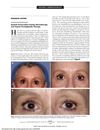
July 2010 in “Archives of internal medicine” A woman kept her eyelashes during chemotherapy possibly because of her glaucoma eye drops.
 January 2020 in “Asian Journal of Basic Science & Research”
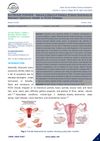
 Nutrease powder, a high-protein, low-carb supplement, can help manage Polycystic Ovary Syndrome symptoms, regulate periods, improve ovulation, and restore fertility.
January 2016 in “Institutional Repositories DataBase (IRDB)” Sebaceous glands help study fatty acid transporters and binding proteins.