28 citations
,
June 2015 in “Journal of circadian rhythms” An individual's morning or evening preference can predict changes in their body clock gene expression.
 36 citations
,
July 2016 in “Scientific reports”
36 citations
,
July 2016 in “Scientific reports” People's decision-making can be influenced by their internal biological clocks, as shown by gene expression, not just self-reported preferences for morning or evening.
 12 citations
,
January 2019 in “Sleep medicine”
12 citations
,
January 2019 in “Sleep medicine” Night shift work disrupts the body's natural clock genes.
 49 citations
,
April 2016 in “International journal of molecular sciences”
49 citations
,
April 2016 in “International journal of molecular sciences” Shift nurses show altered body temperature and stress hormone levels, suggesting their body clocks adjust to irregular schedules.
 January 2026 in “Dermatology and Therapy”
 Poor sleep may lead to hair loss, and hair loss may affect sleep.
The trial aims to understand how obesity and lifestyle affect circadian rhythms in people with schizophrenia and bipolar disorder.
 January 2024 in “Diabetes & metabolism journal”
 Disrupting natural body clocks increases the risk of developing type 2 diabetes.
 50 citations
,
January 2018 in “Acta physiologica”
50 citations
,
January 2018 in “Acta physiologica” Working night shifts for four days can lower the body's ability to use insulin, which may increase the risk of type 2 diabetes.
 5 citations
,
December 2016 in “International journal of biometeorology”
5 citations
,
December 2016 in “International journal of biometeorology” Bright light during the day doesn't change most human clock genes but may slightly increase Rev-erb-ß.
27 citations
,
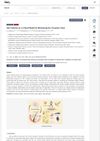
February 2014 in “BMC Cancer” Circadian rhythm disruption, chronic inflammation, hormones, metabolism, and genetics may increase prostate cancer risk.
 5 citations
,
January 2023 in “International Journal of Molecular Sciences”
5 citations
,
January 2023 in “International Journal of Molecular Sciences” Hair follicles could be used to noninvasively monitor our body's internal clock and help identify risks for related diseases.
103 citations
,
December 2021 in “Journal of biological rhythms” Shift work disrupts the body's natural clock, leading to health problems.
 November 2025 in “DOAJ (DOAJ: Directory of Open Access Journals)”
 Insomnia may increase alopecia areata risk, but more research is needed.
 2 citations
,
November 2020 in “Fertility Research and Practice”
2 citations
,
November 2020 in “Fertility Research and Practice” The survey helps identify menstrual irregularities and excess male hormones, aiming to detect conditions like Polycystic Ovary Syndrome.
 February 2024 in “medRxiv (Cold Spring Harbor Laboratory)”
 The study aims to understand how mood, physical activity, light exposure, and seasonal changes affect sleep patterns.
 36 citations
,
January 1998 in “Journal of Dermatological Treatment”
36 citations
,
January 1998 in “Journal of Dermatological Treatment” The questionnaire effectively measures men's perceived hair growth and can distinguish between different treatments and dosages.
 14 citations
,
June 2016 in “Hypertension research”
14 citations
,
June 2016 in “Hypertension research” New method uses hair follicle cells to estimate human body clock phase, potentially improving sleep disorder diagnosis.
 6 citations
,
September 2019 in “Journal of cosmetic dermatology”
6 citations
,
September 2019 in “Journal of cosmetic dermatology” Lower melatonin levels are linked to more skin aging.
6 citations
,
January 2020 in “Open Journal of Psychiatry” The Greek DCQ is a reliable and valid tool for assessing dysmorphic concern.
 38 citations
,
August 2012 in “Biochemical and biophysical research communications”
38 citations
,
August 2012 in “Biochemical and biophysical research communications” Human leukocytes and beard hair follicle cells have internal daily clocks, and PER1 and PER3 genes may indicate individual circadian rhythms.
 March 2025 in “bioRxiv (Cold Spring Harbor Laboratory)”
 HairTime can predict and adjust human sleep patterns using a hair sample.
 21 citations
,
September 2013 in “Journal of circadian rhythms”
21 citations
,
September 2013 in “Journal of circadian rhythms” Intense exercise at night can delay the body's internal clock gene expression by 2 to 4 hours.
2 citations
,
January 1988 in “Deep Blue (University of Michigan)” Early puberty in girls leads to intense moods, restlessness, and greater self-certainty.
3 citations
,
November 2023 in “BMC Public Health” Both EQ-5D-5L and SF-6DV2 are valid for measuring health but can't be used interchangeably.
19 citations
,
February 2018 in “International Journal of Endocrinology and Metabolism” The questionnaire is valid and reliable but needs more testing for future predictions.
 January 2022 in “Turkiye Klinikleri Journal of Dermatology”
 The Turkish version of the MAIA-2 Scale is valid and reliable for patients at a dermatology clinic.
13 citations
,
April 2021 in “Value in Health” There is a significant need for better-validated quality of life tools in dermatology.
In 2020, a new online survey was made to help identify Polycystic ovary syndrome (PCOS) in women, but it needs some improvements for better understanding and accuracy.
Attractive women slightly worsened mood, green backgrounds improved mood, and older people had better moods.
 5 citations
,
November 2020 in “EBioMedicine”
5 citations
,
November 2020 in “EBioMedicine” Disruptions in sleep-wake cycles can cause health problems like mental, metabolic, and heart diseases, and cancer.