1 citations
,
February 2016 in “Cell Transplantation” Hair follicles have a more inactive cell cycle than other skin cells, which may help develop targeted therapies for skin diseases and cancer.
 April 2018 in “Journal of Investigative Dermatology”
 Fetuin A may increase collagen production and promote scarring.
24 citations
,
October 2010 in “Tissue Engineering Part A” Tissue-engineered skin can support hair growth after grafting, especially with mouse-derived dermis.
 April 2017 in “Journal of Investigative Dermatology”
 Eating a lot of fat increases PKCβ and inflammation in skin fat cells, which affects skin and hair health.
 57 citations
,
February 1994 in “Experimental dermatology”
57 citations
,
February 1994 in “Experimental dermatology” Melatonin affects mouse skin and may regulate skin functions.
192 citations
,
January 2018 in “Burns & Trauma” Current skin substitutes help heal severe burns but don't fully replicate natural skin features.
December 2025 in “SKINdeep” Low humidity harms skin health by damaging the skin barrier and increasing inflammation.
 2 citations
,
May 2023 in “Experimental dermatology”
2 citations
,
May 2023 in “Experimental dermatology” New imaging techniques can assess and track changes in mouse acne without harm, aiding treatment choices.
 46 citations
,
August 2003 in “The journal of investigative dermatology/Journal of investigative dermatology”
46 citations
,
August 2003 in “The journal of investigative dermatology/Journal of investigative dermatology” Phosphatidic acid may help hair grow by affecting cell growth pathways.

Activating a specific cell pathway helps hair growth and skin healing in mice.
 4 citations
,
May 2006 in “médecine/sciences”
4 citations
,
May 2006 in “médecine/sciences” The hairless gene is crucial for hair health, and its mutations cause hair loss.
 127 citations
,
December 2007 in “Journal of Investigative Dermatology”
127 citations
,
December 2007 in “Journal of Investigative Dermatology” Mice hair growth patterns get more complex with age and can change with events like pregnancy or injury.
15 citations
,
August 2019 in “F1000Research” CMG2 and TEM8 receptors have distinct roles in skin and growth disorders, affecting collagen breakdown and growth.
Vitamin D is crucial for skin health and managing skin diseases.
 403 citations
,
November 2005 in “Journal of Endocrinology”
403 citations
,
November 2005 in “Journal of Endocrinology” Dehydroepiandrosterone (DHEA) is a prohormone important for producing sex steroids and has potential health benefits.
27 citations
,
February 2023 in “Frontiers in Cell and Developmental Biology” WNT10B is important for body functions and linked to diseases like osteoporosis, obesity, and cancer.
April 2021 in “Journal of Investigative Dermatology” Krox20 is crucial for hair growth and maintaining skin stem cells.
 1398 citations
,
May 2008 in “Histochemistry and Cell Biology”
1398 citations
,
May 2008 in “Histochemistry and Cell Biology” Keratins are crucial for cell stability, wound healing, and cancer diagnosis.
 31 citations
,
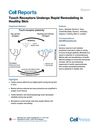
November 2016 in “Cell Reports”
31 citations
,
November 2016 in “Cell Reports” Touch sensitivity in mouse skin decreases during hair growth due to changes in touch receptors.
1 citations
,
October 2019 in “PubMed” Removing the p75 gene in mouse skin cells didn't affect their skin or hair growth.
106 citations
,
February 2014 in “eLife” Lanceolate complexes in mouse hair follicles are essential for touch and depend on specific cells for maintenance and regeneration.
578 citations
,
April 1993 in “Cell” TGFα gene mutation in mice causes abnormal skin, wavy hair, curly whiskers, and sometimes eye inflammation.
 3 citations
,
May 2018 in “InTech eBooks”
3 citations
,
May 2018 in “InTech eBooks” Animal models, especially mice, are essential for advancing hair loss research and treatment.
1 citations
,
February 2025 in “Journal of Dermatological Science” Rapid thawing increases tissue destruction and tumor growth inhibition.
 October 2012 in “Faculty Opinions – Post-Publication Peer Review of the Biomedical Literature”
 Scientists used a special imaging technique to observe that hair follicle regeneration involves cell division and structural changes, mostly in the lower part of the follicle, and that the dermal papilla at the base is crucial for regrowth.
53 citations
,
January 2013 in “Journal of toxicologic pathology” The project created a standardized system for classifying skin lesions in lab rats and mice.
 3 citations
,
December 2022 in “bioRxiv (Cold Spring Harbor Laboratory)”
3 citations
,
December 2022 in “bioRxiv (Cold Spring Harbor Laboratory)” The research reveals how early embryonic mouse skin develops from simple to complex structures, identifying various cell types and their roles in this process.
9 citations
,
May 2021 in “Frontiers in aging neuroscience” Taking triterpenoids from Ganoderma lucidum over a long time can help slow down brain aging and improve overall health in mice.
 145 citations
,
November 2018 in “Nature Communications”
145 citations
,
November 2018 in “Nature Communications” The Sonic hedgehog pathway is crucial for new hair growth during mouse skin healing.
91 citations
,
June 2011 in “The EMBO Journal” TCF/Lef1 activity is essential for proper skin cell development and renewal.