1 citations
,
March 2023 in “Pharmaceutics” PBMCsec can help reduce and improve thick skin scars.
 April 2026 in “Zenodo (CERN European Organization for Nuclear Research)”
 Post-exposure syndromes are persistent conditions caused by past exposures, needing unique interventions.
 January 2024 in “Wiadomości Lekarskie”
 Pemigatinib may be effective for treating ZMYM2::FGFR1 fusion-positive leukemia.
January 2024 in “Pharmacokinetics and Pharmacodynamics” Human placenta extracts may help treat various diseases.
 20 citations
,
February 2019 in “Genes”
20 citations
,
February 2019 in “Genes” The study concludes that mutations in the AEBP1 gene can cause a form of Ehlers-Danlos syndrome and should be considered in diagnosis.
49 citations
,
July 2000 in “Journal of Histochemistry & Cytochemistry” POMC-derived peptides are important for skin functions like immune response and stress management.
 22 citations
,
May 2002 in “Skin Research and Technology”
22 citations
,
May 2002 in “Skin Research and Technology” CE-PTG detects early hair follicle issues in balding areas, helping measure male hair loss.
38 citations
,
January 2017 in “PPAR Research” PPAR-γ helps control skin oil glands and inflammation, and its disruption can cause hair loss diseases.
1 citations
,
April 2025 in “BMC Veterinary Research” PSAT1 is key for hair growth and stem cell function in cashmere goats.
 8 citations
,
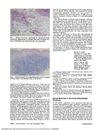
November 1990 in “Archives of Dermatology”
8 citations
,
November 1990 in “Archives of Dermatology” A woman with EMS showed unusual skin mucinosis without the typical hard skin syndrome, suggesting EMS can cause skin mucinosis.
26 citations
,
May 2011 in “Tissue Engineering Part A” Hydrogel surface properties affect mouse embryoid body differentiation.
 14 citations
,
May 2019 in “Human gene therapy”
14 citations
,
May 2019 in “Human gene therapy” MC-DNA vector-based gene therapy can temporarily treat CBS deficiency in mice.
 December 2023 in “Frontiers in pharmacology”
 Progesterone initially worsens but later reduces neuropathic pain in mice, through different mechanisms.
 8 citations
,
September 2016 in “Pediatric dermatology”
8 citations
,
September 2016 in “Pediatric dermatology” People with Mucopolysaccharidoses often have skin problems like thick skin and extra hair, and recognizing these can help diagnose and treat the condition early.
 31 citations
,
August 2005 in “The American Journal of Dermatopathology”
31 citations
,
August 2005 in “The American Journal of Dermatopathology” The study concluded that PKP1 is essential for skin integrity and hair growth, and its dysfunction causes the symptoms of ectodermal dysplasia/skin fragility syndrome.
 March 2026 in “Zenodo (CERN European Organization for Nuclear Research)”
 The N-K GM Series offers highly selective, eco-friendly medicines targeting harmful microbes, free for personal use.
 9 citations
,
August 2018 in “Biomedical dermatology”
9 citations
,
August 2018 in “Biomedical dermatology” A peptide called DPS-1 helps human scalp cells grow and stimulates hair growth in mice.
17 citations
,
June 2023 in “Pharmaceuticals” Inflammasome proteins may help diagnose and treat Parkinson's disease.
 April 2023 in “Journal of Investigative Dermatology”
 A protein called MPZL3 in mitochondria slows down hair growth and could be a target for treating hair growth disorders.
 28 citations
,
February 2012 in “PLoS ONE”
28 citations
,
February 2012 in “PLoS ONE” A PKP1 gene mutation causes skin fragility and hair loss in Chesapeake Bay retriever puppies.
 25 citations
,
December 2018 in “Human Molecular Genetics”
25 citations
,
December 2018 in “Human Molecular Genetics” The document concludes that certain mutations may contribute to the inflammation in hidradenitis suppurativa and suggests that targeting TNFα could be a treatment strategy.
9 citations
,
September 2013 in “Journal of histochemistry and cytochemistry/The journal of histochemistry and cytochemistry” Matriptase is highly active in hair follicles and sebaceous glands, especially during hair growth phases.
April 2026 in “Human Genome Variation” Long-read RNA sequencing can identify complex gene changes in IFAP syndrome.
 81 citations
,
February 1997 in “Journal of Investigative Dermatology”
81 citations
,
February 1997 in “Journal of Investigative Dermatology” Minoxidil boosts hair growth by activating PGHS-1.

Plakophilin 1 helps control skin cell immune responses to prevent excessive inflammation.
24 citations
,
May 2017 in “Annals of botany” Pathogenic Pseudomonas syringae bacteria stimulate early root hair growth in Arabidopsis plants.
24 citations
,
November 1997 in “Journal of Biological Chemistry” Mouse high-glycine/tyrosine proteins have distinct patterns in hair follicles, peaking at specific hair cycle days.
11 citations
,
November 2019 in “The FASEB Journal” A mutation in the MAP2 gene causes reduced hair follicle density, leading to hairlessness.
 11 citations
,
December 2014 in “The American journal of pathology”
11 citations
,
December 2014 in “The American journal of pathology” A gene deletion in mice causes weak protein, immune issues, hair loss, airway problems, and wasting disease.
Polyglutamic acid is a valuable, sustainable ingredient for skincare and haircare products.