 December 2023 in “International Journal of Molecular Sciences”
 Men with early balding showed higher levels of certain genes linked to hair loss and possibly prostate cancer.

The research identified key molecules that help hair matrix and dermal papilla cells communicate and influence hair growth in cashmere goats.
41 citations
,
April 2019 in “PLOS genetics” CD34+ and CD34- melanocyte stem cells have different regenerative abilities.
 10 citations
,
July 2022 in “The journal of investigative dermatology/Journal of investigative dermatology”
10 citations
,
July 2022 in “The journal of investigative dermatology/Journal of investigative dermatology” Human nails and hair follicles have similar gene activity, especially in the cells that contribute to their growth and development.
1 citations
,
January 2024 in “International journal of molecular sciences” TRPV4 helps cells repair tissue and reduce scarring by controlling calcium levels.
1 citations
,
September 2021 in “Pharmaceutics” High-dose finasteride may help treat glioblastoma but needs localized delivery for effectiveness.
Delta-opioid receptors affect skin cell circadian rhythms, possibly impacting wound healing and cancer.
February 2023 in “Materials today bio” The treatment effectively promotes hair regrowth in androgenetic alopecia without causing skin irritation.
 4 citations
,
May 2020 in “PLOS ONE”
4 citations
,
May 2020 in “PLOS ONE” Ingenol mebutate gel changes gene expression related to skin development and immune response in actinic keratosis.
 January 2026 in “Journal of Contemporary Medicine”
 Vitamin D may help prevent or reduce hair loss after COVID-19.
 667 citations
,
May 2008 in “Genes & Development”
667 citations
,
May 2008 in “Genes & Development” Histone demethylases can change gene expression and may be linked to diseases like cancer.
 April 2026 in “Molecules”
 Yeast-derived vesicles can improve hair follicle health and promote hair growth.
 23 citations
,
February 2015 in “International Journal of Molecular Sciences”
23 citations
,
February 2015 in “International Journal of Molecular Sciences” Colchicine can inhibit hair growth by affecting cell activity and protein expression in hair follicles.
 1 citations
,
October 2022 in “International journal of endocrinology”
1 citations
,
October 2022 in “International journal of endocrinology” Dihydrotestosterone changes some hormone-related gene expressions in rat pituitary glands but doesn't affect the estrous cycle.
 3 citations
,
October 2024 in “Frontiers in Medicine”
3 citations
,
October 2024 in “Frontiers in Medicine” Sun-exposed skin shows different cell activity and gene expression, suggesting targets to prevent skin aging and cancer.
 1 citations
,
February 2023 in “Frontiers in Endocrinology”
1 citations
,
February 2023 in “Frontiers in Endocrinology” Childhood growth hormone deficiency can be accurately diagnosed using gene expression data and random forest analysis.
 25 citations
,
February 2019 in “Genomics”
25 citations
,
February 2019 in “Genomics” Cashmere and milk goats have different hair growth cycles and gene expressions, which could help improve wool production.
 11 citations
,
August 2024 in “Nature Communications”
11 citations
,
August 2024 in “Nature Communications” Quiescent cells have increased mitochondrial activity and ECM gene expression, but reduced glycolysis.
 14 citations
,
January 2015 in “Genetics and molecular research”
14 citations
,
January 2015 in “Genetics and molecular research” The transition from growth to regression in Cashmere goat hair follicles involves changes in expression of genes related to keratin and cell differentiation.
 1 citations
,
May 2017 in “InTech eBooks”
1 citations
,
May 2017 in “InTech eBooks” Hair loss in Androgenetic alopecia (AGA) is due to altered cell sensitivity to hormones, not increased hormone levels. Hair growth periods shorten over time, causing hair to become thinner and shorter. This is linked to miscommunication between cell pathways in hair follicles. There's also a change in gene expression related to blood vessels and cell growth in balding hair follicles. The exact molecular causes of AGA are still unclear.
 11 citations
,
December 2010 in “Archives of Dermatology”
11 citations
,
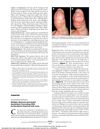
December 2010 in “Archives of Dermatology” A man with rare skin changes on his fingers was diagnosed with multiple myeloma-linked amyloidosis.
 25 citations
,
August 2015 in “International Journal of Cosmetic Science”
25 citations
,
August 2015 in “International Journal of Cosmetic Science” Malva verticillata seed extract might help treat hair loss by activating hair growth signals in skin cells.
 59 citations
,
November 2015 in “International Journal of Cosmetic Science”
59 citations
,
November 2015 in “International Journal of Cosmetic Science” Oxidative stress damages hair and contributes to aging, and managing it can help maintain hair health.
 70 citations
,
April 2017 in “Lasers in surgery and medicine”
70 citations
,
April 2017 in “Lasers in surgery and medicine” Blue light promotes hair growth by interacting with specific receptors in hair follicles.
 February 2021 in “International journal of men's social and community health”
 Bald men's facial expressions are seen more negatively, and many men are dissatisfied with their bodies, including hair loss.
 1 citations
,
May 2022 in “Голова и шея.”
1 citations
,
May 2022 in “Голова и шея.” p53 protein may help protect or kill neurons under stress.
 65 citations
,
August 2007 in “Experimental Dermatology”
65 citations
,
August 2007 in “Experimental Dermatology” Human hair follicles can make and process prostaglandins, which may affect hair growth.
 37 citations
,
October 2013 in “PLoS ONE”
37 citations
,
October 2013 in “PLoS ONE” MicroRNAs play a key role in wool growth in Tibetan sheep.
 11 citations
,
October 2020 in “Plant biotechnology journal”
11 citations
,
October 2020 in “Plant biotechnology journal” Overexpressing SIMK in alfalfa boosts root hair growth, nodule clustering, and shoot biomass.
 3 citations
,
January 2017 in “Yonsei Medical Journal”
3 citations
,
January 2017 in “Yonsei Medical Journal” Blocking 11β-HSD1 can lessen the harmful effects of glucocorticoids on hair growth cells.