 January 2019 in “Springer eBooks”
 Acne is linked to inflammation and insulin resistance, and is associated with various syndromes that require different treatments.
 January 2019 in “Springer eBooks”
 Modified HDL can better deliver drugs and genes, potentially improving treatments and reducing side effects.
 April 2018 in “Journal of Investigative Dermatology”
 Higher levels of nidogen1 and type IV collagen are found in basal cell carcinoma compared to normal skin.
 April 2018 in “Journal of Investigative Dermatology”
 CREB, a protein that can promote cancer traits, is controlled by β-catenin in skin cancer cells.
 April 2018 in “Journal of Investigative Dermatology”
 The document concludes that ERBB2 mutations are common in extramammary Paget disease and may respond to systemic treatments like cancer immunotherapy.
 April 2018 in “bioRxiv (Cold Spring Harbor Laboratory)”
 Certain small molecules can help regrow hair by turning on the body's cell cleanup process.
 January 2018 in “Elsevier eBooks”
 The document explains how male reproductive hormones work and affect the body.
 December 2017 in “Springer eBooks”
 Transplant patients often get skin problems, with treatments varying by condition.
 September 2017 in “Pediatric Dermatology”
 The document concludes that an experimental drug may help wound healing in Epidermolysis Bullosa, links Hydroa vacciniforme to EBV, discusses diagnosing hair loss disorders, finds many children with eczema have allergies, reviews the safety of a skin medication in children, notes side effects of a Duchenne's treatment, and identifies a marker for pediatric mastocytosis.
 September 2016 in “Springer eBooks”
 Looking older on the outside might be linked to aging faster on the inside and can be affected by lifestyle choices and health risks.
 August 2016 in “Journal of Investigative Dermatology”
 Dutasteride improved hair density and thickness in men not helped by finasteride, with minimal side effects.
 January 2016 in “Springer eBooks”
 Understanding drug interactions, side effects, and patient-specific factors is crucial for effective dermatological care.
 December 2013 in “Research Portal (King's College London)”
 Hair loss in Lichen Planopilaris is caused by immune system issues damaging hair follicles and stem cells.

Chemotherapy can cause skin issues and hair loss, and this guide explains how to manage them.
 September 2013 in “Molecular Biology”
 The document suggests that activating autophagy might help with regeneration by removing old and damaged cells.

Hair follicles can be used to quickly assess drug effects in cancer treatment.
 May 2026 in “Journal of Skin and Sexually Transmitted Diseases”
 Upadacitinib effectively treats skin conditions like eczema and psoriasis and is becoming more widely used and affordable.
 April 2026 in “Frontiers in Cell and Developmental Biology”
 Hair cell loss usually happens after hearing loss starts.
 April 2026 in “Journal of Pharmaceutical Investigation”
 Nanotechnology could improve treatment for scars and atopic dermatitis by targeting skin issues more effectively.
 April 2026 in “Dermatology and Therapy”
 Experts agree on understanding hair aging to improve diagnosis and treatments.
 February 2026 in “Frontiers in Medical Technology”
 Keratinocyte stem cells are crucial for skin renewal and have potential in wound healing and tissue regeneration.
 January 2026 in “Biomaterials Science”
 The formulation helps improve wound healing and skin repair.
 January 2026 in “Immune Network”
 Regulatory T cells adapt to different environments to control inflammation and support tissue repair.
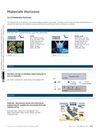 January 2026 in “Materials Horizons”
  December 2025 in “Scientific Reports”
 α-Mangostin can naturally lighten skin by reducing melanin.
 December 2025 in “Aesthetic Cosmetology and Medicine”
 Personalized hair care is essential for healthy hair and scalp.
 November 2025 in “Frontiers in Immunology”
 SQSTM1 gene issues may increase the risk of alopecia areata.
 August 2025 in “Dermatology Reports”
 Rosemary oil may reduce hair greying risk.
 March 2025 in “OncoTargets and Therapy”
 A specific genetic trait in tumor cells is linked to longer survival without disease in certain lymphoma patients.
 January 2025 in “Iraqi Journal of Science”
 PDCD4 protein levels, affected by genetics and breastfeeding, may predict breast cancer treatment response.