 1 citations
,
February 2004
1 citations
,
February 2004 Skin diseases are common and can significantly affect people's lives; better outcome measures and ethical clinical trials are needed to improve dermatology care.
 1 citations
,
July 1965 in “Postgraduate medicine”
1 citations
,
July 1965 in “Postgraduate medicine” Most skin conditions can be managed with general medical knowledge.
 May 2026 in “Iconic Research and Engineering Journals”
 Polyherbal hair oils effectively promote hair growth and scalp health.
 May 2026 in “International Journal of Homoeopathic Sciences”
 Individualized Homeopathic Medicine shows promise for treating alopecia with lasting hair regrowth.
 April 2026 in “Inflammopharmacology”
 Punica granatum leaf extract may help treat skin fibrosis by reducing inflammation and oxidative stress.
 February 2026 in “Austrian Journal of Technical and Natural Sciences”
 Mesotherapy may help treat hair loss in patients after bariatric surgery.
 February 2026 in “Frontiers in Pharmacology”
 Genetics can help tailor treatments for male pattern hair loss, improving outcomes like stabilization or modest regrowth.

Combined finasteride and anastrozole therapy effectively treats BPH, influenced by hormone imbalances and genetics.
 December 2025 in “Nature Communications”
 Skin organoids can model tuberculosis infection and help test treatments.
 September 2025 in “Nano Biomedicine and Engineering”
 Nanomedicines could offer better, longer-lasting psoriasis treatments with fewer side effects.
 July 2024 in “Journal of Rare Diseases”
 Woodhouse-Sakati syndrome shows varied symptoms and genetic differences within families.
 March 2024 in “Asian Journal of Advanced Research and Reports”
 Smoking and alcohol are linked to early hair graying.
 January 2024 in “International Research Journal Of Modernization In Engineering Technology And Science”
 Hair growth serums reduce hair fall and improve growth with mostly positive reviews.
 July 2023 in “Jurnal Ilmu Kesehatan Hewan”
 Sulfur-based treatments combined with simparica effectively treat scabies in puppies.
 January 2023 in “Pakistan Armed Forces Medical Journal”
  April 2021 in “Bioscientia Medicina Journal of Biomedicine and Translational Research”
 Hydroxychloroquine may help COVID-19 patients with lupus.
 April 2021 in “Bioscientia Medicina Journal of Biomedicine and Translational Research”
 Patients with lupus nephritis and COVID-19 can improve with proper treatment.
 January 2021 in “Scandinavian journal of clinical and laboratory investigation”
 The document describes a way to measure biotin in blood to prevent wrong test results in hormone level testing.
 January 2021 in “Journal of clinical and cosmetic dermatology”
 Human skin responds to light with protective mechanisms, but more research is needed to understand these processes and their implications for health and therapy.

Skin stem cells are crucial for maintaining and repairing skin, with potential for treating skin disorders and improving wound healing.
 January 2015 in “Journal of cosmetology & trichology”
 Mesotherapy might help make eyebrows thicker and darker for some people.
The EMG-to-force model accurately predicts hip muscle forces during walking.
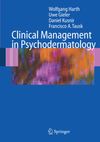 January 2009 in “Springer eBooks”
 The document concludes that treating skin conditions should include psychological care and a multidisciplinary approach is essential for effective management.

Newer retinoid drugs are effective for skin conditions but have significant side effects.
CRPS I is complex, linked to immune and nerve issues, and needs comprehensive treatment.
 56 citations
,
January 2013 in “International journal of trichology”
56 citations
,
January 2013 in “International journal of trichology” Zinc supplements may be needed to treat hair loss in hypothyroidism.
 1 citations
,
February 2022 in “Open Access Macedonian Journal of Medical Sciences”
1 citations
,
February 2022 in “Open Access Macedonian Journal of Medical Sciences” Low zinc levels might contribute to early hair graying.
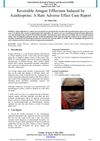 May 2025 in “International Journal of Science and Research (IJSR)”
 Stopping azathioprine led to full hair regrowth and recovery in 2.5 months.
 January 2023 in “Zenodo (CERN European Organization for Nuclear Research)”
 Olive oil can help regrow hair lost due to COVID-19 or vaccination.
 April 2017 in “IOSR journal of dental and medical sciences”
 Netherton Syndrome is a non-treatable genetic disorder in children causing skin, hair, and allergy issues.