23 citations
,
August 2017 in “Genome” Gene expression affects fur development in rex rabbits.
October 2019 in “Asian College of Neuropsychopharmacology”  19 citations
,
May 2020 in “Cells”
19 citations
,
May 2020 in “Cells” Substance from human umbilical cord blood cells promotes hair growth.
1 citations
,
October 2019 in “PubMed” Removing the p75 gene in mouse skin cells didn't affect their skin or hair growth.
 4 citations
,
April 2019 in “Cell Stem Cell”
4 citations
,
April 2019 in “Cell Stem Cell” Certain immune cells in the skin can stop hair from growing.
5 citations
,
December 2020 in “Gene” ANXA1 influences hair growth in mice through the EGF signaling pathway.
17 citations
,
April 2011 in “Journal of Dermatological Science” The study created a mouse model that survives longer and shows fewer symptoms of pemphigus vulgaris.
Mdm2 is crucial for controlling p53 to maintain healthy cells and prevent tumors.
 July 2022 in “The journal of investigative dermatology/Journal of investigative dermatology”
 MPZL3 protein helps keep sebaceous gland size and cell growth in check.
8 citations
,
September 2013 in “Molecular carcinogenesis” Rapamycin reduces skin cell growth and tumor development by affecting cell signaling in mice.
 28 citations
,
May 1978 in “Archives of dermatology”
28 citations
,
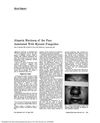
May 1978 in “Archives of dermatology” Alopecia mucinosa on the face can be linked to mycosis fungoides, a type of lymphoma.
39 citations
,
December 1998 in “Journal of Cell Science” The LEF-1 binding site enhances gene expression in hair follicles, with other proteins aiding specific regulation.
May 2026 in “International Journal of Molecular Medicine” The error was corrected without affecting the study's results.
 11 citations
,
December 2014 in “The American journal of pathology”
11 citations
,
December 2014 in “The American journal of pathology” A gene deletion in mice causes weak protein, immune issues, hair loss, airway problems, and wasting disease.
3 citations
,
May 2016 in “Dermatopathology” Lrig1 could be a marker for advanced sebaceous carcinoma.
 8 citations
,
August 2021 in “Aging”
8 citations
,
August 2021 in “Aging” Berberine may reduce prostate enlargement by blocking inflammation.
5 citations
,
April 2014 in “Journal of Lipid Research” SCD1 inhibitors can cause skin issues in rodents.
 5 citations
,
October 2015 in “The American journal of pathology”
5 citations
,
October 2015 in “The American journal of pathology” Mice with a mutated Dsg3 gene showed severe symptoms but not the typical blistering of pemphigus vulgaris.

Inhibiting AP-1 changes skin tumor types and affects tumor cell identity.
A TNFAIP3 gene mutation can cause unusual and varied symptoms of lupus and Sjogren's syndrome.
 19 citations
,
March 2013 in “Journal of Cutaneous Pathology”
19 citations
,
March 2013 in “Journal of Cutaneous Pathology” The study found unique skin changes in a rare type of alopecia linked to a skin condition called linear morphea.
 January 2025 in “Clinical Cosmetic and Investigational Dermatology”
 Genetic testing is crucial for diagnosing rare hair loss disorders.
 May 2024 in “FEBS open bio”
 Annurca apple extract may help treat hair loss and protect against oxidative stress.
October 2024 in “Developmental Dynamics” Recent advances show zebrafish can model anemia, Alx4 affects craniofacial and hair development, and mTORC1 is crucial for retinal development.
 December 2022 in “American journal of medical genetics. Part A”
 A person got uncombable hair syndrome from two copies of chromosome 1 from their mother.
18 citations
,
January 2009 in “Experimental Dermatology” mTOR may link different pathways in hair follicle tumor formation.
 5 citations
,
July 2003 in “Drug Development Research”
5 citations
,
July 2003 in “Drug Development Research” Fluridil promotes hair growth safely and effectively for androgenetic alopecia.
6 citations
,
November 2022 in “BMC Urology” Higher levels of miR-1199-5p may reduce the effectiveness of certain prostate treatments.
66 citations
,
June 2004 in “Development” FGF signaling is crucial for starting feather development in chicken embryos.
11 citations
,
January 2005 in “Brazilian Journal of Medical and Biological Research” Hairless USP mice have enlarged skin cysts as they age.