 February 2023 in “JAAD case reports”
 Reducing immunosuppression and using antiviral creams improved the woman's skin condition.
 January 2017 in “IMC Journal of Medical Science”
 A rare endocrine disorder, APS 1, was diagnosed in a 26-year-old man in Bangladesh.
91 citations
,
July 2020 in “JAMA Dermatology” Minoxidil can improve hair growth in some patients with woolly hair due to LIPH variants, with varying responses and mild side effects.
 3 citations
,
January 2015 in “Turkiye Klinikleri Journal of Medical Sciences”
3 citations
,
January 2015 in “Turkiye Klinikleri Journal of Medical Sciences” Corticosteroids may not effectively control oxidative stress in alopecia areata, possibly leading to relapses.
 November 2024 in “Malaysian Journal of Microbiology”
 Patients with thyroid disorders show different symptoms and antibody levels.
 January 2019 in “Przegląd Dermatologiczny”
 An 87-year-old woman was diagnosed with type 3 autoimmune polyendocrine syndrome and had multiple autoimmune issues.
November 2021 in “Circulation” SCAD can indicate ANA-negative lupus, especially in women with unusual symptoms.
1 citations
,
January 2018 in “Indian Journal of Dermatology/Indian journal of dermatology” Retinoids might cause temporary hyperthyroidism in some patients.
2 citations
,
July 2025 in “Acta Pharmacologica Sinica” Isoginkgetin reduces inflammation in cells by blocking NF-κB activation.
 March 2026 in “Clinical Cosmetic and Investigational Dermatology”
 Rituximab can cause skin issues, but baricitinib may help improve them.
 January 2026 in “Frontiers in Immunology”
 Icariin can regulate macrophages and may help treat inflammation, cancer, bone disorders, and fibrotic diseases.
 2 citations
,
September 2011 in “Pediatric Dermatology”
2 citations
,
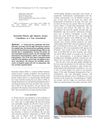
September 2011 in “Pediatric Dermatology” The document suggests there might be a link between Kawasaki Disease and Alopecia Areata that needs more research.
 4 citations
,
November 2016 in “Pediatric Clinics of North America”
4 citations
,
November 2016 in “Pediatric Clinics of North America” The document explains the difficulty in diagnosing and treating brain diseases caused by the immune system and stresses the need for quick and accurate tests.
29 citations
,
June 2010 in “The Journal of Dermatology” Infants with severe KID syndrome may be more prone to serious infections and need close monitoring.
 7 citations
,
January 2021 in “Biology”
7 citations
,
January 2021 in “Biology” Some COVID-19 patients have different skin problems, which might be the only sign of the virus or related to other health issues.
 May 2026 in “Journal of Neurosciences in Rural Practice”
 Tofacitinib may cause nerve damage in the brain, so monitor for neurological symptoms.
35 citations
,
July 1977 in “PubMed” SLE affects lungs and kidneys similarly due to immune complexes.
 July 2025 in “The Korean Journal of Internal Medicine”
 Certain immune responses may cause ongoing COVID-19 symptoms like fatigue and brain fog.
1 citations
,
February 2025 in “Journal of the American Academy of Dermatology” 2 citations
,
January 2022 in “JAAD Case Reports” The rash resolved after stopping ponatinib.
3 citations
,
October 2001 in “British Journal of Ophthalmology” An isolated episcleral plasmacytoma can mimic episcleritis, making diagnosis challenging.
1 citations
,
February 2023 in “Journal of Cellular Biochemistry” Cardiomyocyte-derived media can inhibit lung cancer cell growth and movement.
 April 2025 in “International Journal of Research in Dermatology”
 Thyroid disorders are linked to skin issues and autoimmune skin diseases.
1 citations
,
September 2022 in “European Journal of Dermatology” Gene sequencing is essential for diagnosing junctional epidermolysis bullosa.
 May 2017 in “Journal of The American Academy of Dermatology”
 A woman with a skin disorder was found to have hepatitis C, which may be linked, and was safely treated with methotrexate.
 March 2025 in “Experimental Dermatology”
 Overexpression of IKZF1 and Ikaros causes hair loss in mice similar to alopecia areata.
November 2014 in “The Pediatric Infectious Disease Journal” The child was diagnosed with a skin condition involving inflamed hair follicles.
May 1985 in “The Pediatric Infectious Disease Journal” Trimethoprim-sulfamethoxazole can cause aseptic meningitis.
 8 citations
,
June 2019 in “Orphanet journal of rare diseases”
8 citations
,
June 2019 in “Orphanet journal of rare diseases” Corticosteroids are the most effective treatment for Satoyoshi syndrome.
 31 citations
,
June 2011 in “Journal of the neurological sciences”
31 citations
,
June 2011 in “Journal of the neurological sciences” Removing the thymoma improved the man's autoimmune conditions.