 January 2012 in “The Year book of dermatology”
 Many treatments for alopecia areata have inconsistent results; for under 10s, use minoxidil with a corticosteroid, and for over 10s, add ILC and consider diphenylcyclopropenone for widespread cases.
 March 2014 in “Pediatric Clinics of North America”
 The document discusses how to identify and manage common skin conditions in children.
 September 2022 in “Intisasi sains media”
 A young child with complete hair loss improved significantly with a combination of hair growth treatments and laser therapy.
 February 2021 in “International journal of research in dermatology”
 A boy's hair, nails, and skin improved after 6 months of steroid treatment.
 53 citations
,
November 1992 in “Mayo Clinic Proceedings”
53 citations
,
November 1992 in “Mayo Clinic Proceedings” HIV can cause unusual and severe skin problems that are hard to treat.
 11 citations
,
December 2006 in “Expert Review of Dermatology”
11 citations
,
December 2006 in “Expert Review of Dermatology” Dermoscopy is becoming essential for diagnosing skin conditions and is expected to be a standard tool for dermatologists.
A thorough skin history and examination are essential for diagnosing and treating skin conditions effectively.
 96 citations
,
January 1997 in “Clinics in Dermatology”
96 citations
,
January 1997 in “Clinics in Dermatology” Pregnancy can cause skin pigmentation, stretch marks, and changes in hair, nails, and sweat glands, with most resolving after birth.
 35 citations
,
January 2013 in “Indian Journal of Dermatology, Venereology and Leprology”
35 citations
,
January 2013 in “Indian Journal of Dermatology, Venereology and Leprology” Intralesional triamcinolone acetonide is effective for treating patchy hair loss, and dermoscopy helps detect treatment response and side effects early.
 14 citations
,
March 2016 in “Cutaneous and Ocular Toxicology”
14 citations
,
March 2016 in “Cutaneous and Ocular Toxicology” Synthetic cannabinoid addiction can cause skin problems like acne and hair loss.
 1 citations
,
July 2014 in “Nepal journal of dermatology, venereology & leprology”
1 citations
,
July 2014 in “Nepal journal of dermatology, venereology & leprology” Patients with chronic kidney disease on hemodialysis often have skin problems.
 25 citations
,
July 2021 in “Journal of Medical Virology”
25 citations
,
July 2021 in “Journal of Medical Virology” COVID-19 can cause various skin issues, including rashes and hair loss, which usually heal on their own and don't always indicate severe illness.
 8 citations
,
February 2012 in “International Journal of Dermatology”
8 citations
,
February 2012 in “International Journal of Dermatology” Runners often face skin problems like blisters and infections, and both prevention and early treatment are important.
January 2025 in “Dermatologic Therapy” Alopecia areata may be linked to higher heart disease risk.
December 2025 in “JGH Open” Early diagnosis and treatment with corticosteroids can improve outcomes in Cronkhite–Canada syndrome.
4 citations
,
March 2025 in “Pediatric Dermatology” Pediatric alopecia areata needs more research to understand its characteristics and related conditions.
 6 citations
,
July 2019 in “Indian Journal of Dermatology”
6 citations
,
July 2019 in “Indian Journal of Dermatology” About 12% of children in Kota, Rajasthan, experience hair loss, mainly due to fungal infections, with early treatment advised to prevent worsening.
 January 2021 in “Springer eBooks”
 Different rheumatological diseases can cause specific skin problems.
25 citations
,
March 2021 in “Australasian Journal of Dermatology” Ustekinumab successfully treated a man's resistant skin condition when other treatments failed.
5 citations
,
August 2025 in “Biomedicines” Early detection and multidisciplinary management of skin and mouth side effects from breast cancer treatments improve patient outcomes.
25 citations
,
July 2022 in “Pharmaceutics” Spanlastic nanovesicles can improve efinaconazole delivery through nails.
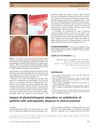 July 2014 in “Journal of Dermatology”
 Educating patients on phototrichogram increased satisfaction in androgenetic alopecia treatment.
 2 citations
,
March 2004 in “Journal of the American Academy of Dermatology”
2 citations
,
March 2004 in “Journal of the American Academy of Dermatology” The 60-second timed hair count is a reliable and simple way to measure hair shedding at home, showing older women tend to shed more hair than younger women.
 1 citations
,
March 2004 in “Journal of the American Academy of Dermatology”
1 citations
,
March 2004 in “Journal of the American Academy of Dermatology” Certain genes are linked to the risk of developing Alopecia Areata.
 185 citations
,
August 2005 in “Autoimmunity Reviews”
185 citations
,
August 2005 in “Autoimmunity Reviews” Alopecia areata is an autoimmune condition causing hair loss due to the immune system attacking hair follicles, often influenced by genetics and stress.
 85 citations
,
October 2012 in “Dermatologic Clinics”
85 citations
,
October 2012 in “Dermatologic Clinics” Alopecia Areata is an autoimmune condition often starting before age 20, with varied treatment success and a need for personalized treatment plans.
 60 citations
,
September 2015 in “Expert Review of Clinical Immunology”
60 citations
,
September 2015 in “Expert Review of Clinical Immunology” Lymphocytes, especially CD8+ T cells, play a key role in causing alopecia areata, and targeting them may lead to new treatments.
 32 citations
,
August 2003 in “Journal of the American Academy of Dermatology”
32 citations
,
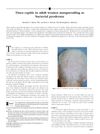
August 2003 in “Journal of the American Academy of Dermatology” Tinea capitis can be misdiagnosed as bacterial infection in adult women but is treatable with antifungal medication.
 21 citations
,
January 2014 in “International Journal of Trichology”
21 citations
,
January 2014 in “International Journal of Trichology” The study concluded that yellow dots are a common and useful sign for diagnosing alopecia areata in dark-skinned individuals and may indicate the severity of the condition.
 21 citations
,
February 2012 in “Journal of the European Academy of Dermatology and Venereology”
21 citations
,
February 2012 in “Journal of the European Academy of Dermatology and Venereology” Late-onset alopecia areata in Taiwanese patients is more common in women, usually starts at age 57, often involves less than 10% hair loss, and may have a minimal link to thyroid issues.