198 citations
,
May 2021 in “Advanced Materials” Triboelectric nanogenerators can use body movement to power therapeutic treatments, potentially transforming personalized healthcare.
57 citations
,
December 2012 in “Journal of Biomedical Optics” Confocal microscopy is useful for studying how nanoparticles interact with skin.
 4 citations
,
November 2023 in “Nano biomedicine and engineering”
4 citations
,
November 2023 in “Nano biomedicine and engineering” Nanomaterials can improve wound healing by helping with cell growth, preventing infection, and reducing inflammation.
76 citations
,
January 2022 in “Journal of Tissue Engineering” Microneedle patches could replace injections but need more development for better use in medicine.
January 2026 in “Research” New technologies show promise for safer, more effective hair loss treatments.
61 citations
,
September 2024 in “Micromachines” Electrospun nanofiber membranes are promising for non-invasive medical uses like tissue repair and health monitoring.
 24 citations
,
June 2018 in “Expert Review of Pharmacoeconomics & Outcomes Research”
24 citations
,
June 2018 in “Expert Review of Pharmacoeconomics & Outcomes Research” Microneedle technology is beneficial for drug delivery and could make vaccinations cheaper and more accessible.
 April 2026 in “Zenodo (CERN European Organization for Nuclear Research)”
 Nanocrystals improve drug delivery and effectiveness.
73 citations
,
April 2006 in “BioTechniques” Protein microarrays are highly sensitive tools useful for disease diagnosis and studying proteins.
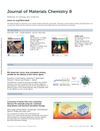 January 2016 in “Journal of Materials Chemistry B”
 Advancements in biomaterials and nanotechnology are improving medical applications like hair growth, bone regeneration, and cancer treatment.
December 2025 in “Sensors” Microneedles in wearables can deliver drugs over time but face challenges in manufacturing and safety.
 November 2023 in “ACS Nano”
 The device helps restore sensation and grow new hair follicles after skin burns.
 67 citations
,
January 2022 in “Theranostics”
67 citations
,
January 2022 in “Theranostics” Advanced nanocarrier and microneedle drug delivery methods are more effective, safer, and less invasive for treating skin diseases.
 48 citations
,
February 2025 in “Nano-Micro Letters”
48 citations
,
February 2025 in “Nano-Micro Letters” Microneedles offer a promising, painless way to treat skin diseases but need improvements for better use.
 68 citations
,
March 2018 in “Biomaterials”
68 citations
,
March 2018 in “Biomaterials” Large-scale fibronectin nanofibers help heal wounds and repair tissue in a skin model of a mouse.
 January 2025 in “Journal of Pharmaceutical Research Science & Technology”
 Dissolving microneedles offer efficient, minimally invasive drug delivery through the skin.
 April 2026 in “Journal of Pharmaceutical Investigation”
 Nanotechnology could improve treatment for scars and atopic dermatitis by targeting skin issues more effectively.
November 2019 in “SLAS technology” New findings suggest certain genes and microRNAs are crucial for wound healing, and innovative technologies like smart bandages and apps show promise in improving treatment.
 30 citations
,
December 2017 in “Advanced Healthcare Materials”
30 citations
,
December 2017 in “Advanced Healthcare Materials” Nanoencapsulation creates adjustable cell clusters for hair growth.
March 2024 in “Journal of pharmacy & pharmaceutical sciences” Polymeric microneedles offer a less invasive, long-lasting drug delivery method that improves patient compliance and reduces side effects.
 22 citations
,
March 2020 in “Cosmetics”
22 citations
,
March 2020 in “Cosmetics” Nanotechnology improves minoxidil treatment for hair loss.
 April 2026 in “International Journal of Drug Delivery Technology”
 Nanoparticle-based dressings and theranostic innovations improve chronic wound care by effectively targeting biofilms and offering precise treatment.
8 citations
,
March 2025 in “Journal of Drug Delivery Science and Technology” Dissolvable microneedles are a promising, painless method for effective skin treatments.
 7 citations
,
October 2017 in “Artificial Cells Nanomedicine and Biotechnology”
7 citations
,
October 2017 in “Artificial Cells Nanomedicine and Biotechnology” Finasteride-loaded ethosomes improve hair loss treatment by targeting pilosebaceous unit.
December 2025 in “eScience” A wireless, battery-free system uses Wi-Fi signals to enhance wound healing and enable smart healthcare at home.
 June 2025 in “Nanomedicine”
 Nanotechnology could improve hair loss treatments by delivering drugs more effectively.
 April 2026 in “International Journal of Nanomedicine”
 Quercetin delivery systems are improving its effectiveness for medical use.
39 citations
,
January 2013 in “Skin pharmacology and physiology” Nanoparticles show promise for drug delivery through hair follicles but not through healthy skin.
Ultrasound and nanocarriers could make breast cancer treatment safer and more effective.
19 citations
,
October 2024 in “Molecular Pharmaceutics” Microneedles improve delivery of plant-based compounds through the skin, aiding treatments for hair loss, cancer, and wounds.