August 2022 in “Journal of The American Academy of Dermatology” A 5-mg dose of oral minoxidil slightly lowers blood pressure temporarily, especially in those with higher initial blood pressure.
Minoxidil is a safe and effective treatment for hair loss.
 February 2024 in “Scientific Reports”
 Topical minoxidil and dietary supplements improved hair regrowth in children with hair loss from chemotherapy.
1 citations
,
May 2023 in “Journal of the European Academy of Dermatology and Venereology” Minoxidil and vitamin E may help improve nail growth and health.
17 citations
,
July 1988 in “International Journal of Dermatology” Men using minoxidil felt better about hair loss and self-esteem than those using a placebo.
June 2026 in “British Journal of Dermatology” The treatment effectively improved hair growth and was well tolerated in most men.
October 2019 in “UNESP Institutional Repository (São Paulo State University)” Minoxidil is more effective than biotin for increasing nail growth rate.
June 2025 in “Journal of the American Academy of Dermatology”  80 citations
,
October 1983 in “BMJ”
80 citations
,
October 1983 in “BMJ” Minoxidil helps hair regrowth in alopecia patients, with 16 having good results and no side effects.
 8 citations
,
April 2019 in “Dermatologic Therapy”
8 citations
,
April 2019 in “Dermatologic Therapy” Tretinoin boosts minoxidil's effect on hair loss by increasing enzyme activity.
 September 2025 in “Journal of the American Academy of Dermatology”
 Sublingual minoxidil significantly improves hair growth in transgender individuals on testosterone therapy.
 12 citations
,
June 2017 in “Cell Cycle”
12 citations
,
June 2017 in “Cell Cycle” Minoxidil foam helps hair growth by increasing good proteins and decreasing bad pathways in men with hair loss.
 8 citations
,
April 2017 in “International Journal of Dermatology”
8 citations
,
April 2017 in “International Journal of Dermatology” Applying 5% minoxidil to fingernails can significantly increase their growth rate.
 June 2026 in “Revista Ibero-Americana de Humanidades, Ciências e Educação”
 5% topical Minoxidil is the best treatment for female hair loss, improving hair density and thickness.
 January 2011 in “Kufa Medical Journal”
 Minoxidil solution applied on skin can effectively promote hair growth and increase hair thickness in male mice.
 17 citations
,
November 2002 in “Australasian Journal of Dermatology”
17 citations
,
November 2002 in “Australasian Journal of Dermatology” Saw palmetto causes allergic reaction, minoxidil causes skin irritation; use cautiously for hair loss.
 January 2025 in “JAAD International”
 Bicalutamide added no extra benefit over minoxidil alone for female-pattern hair loss.
9 citations
,
March 1991 in “American Journal of Contact Dermatitis” Minoxidil can cause allergic skin reactions, especially in long-term users.
 43 citations
,
November 1992 in “International Journal of Dermatology”
43 citations
,
November 1992 in “International Journal of Dermatology” Minoxidil 2% effectively treats female hair loss, promoting growth and density.
 January 2020 in “Journal of Cosmetics, Dermatological Sciences and Applications”
 TrichoxidilTM could be a promising new treatment for hair loss.

Minoxidil may harm male reproductive health by causing testicular damage and hormonal disruption.
 January 2025 in “International Journal of Medicine in Developing Countries”
 Combining fractional photothermolysis with minoxidil is more effective for hair growth than minoxidil alone.
 March 1988 in “Archives of Dermatology”
 Topical minoxidil may not improve the appearance of balding men, according to a letter in this document.
 23 citations
,
April 1991 in “Journal of The American Academy of Dermatology”
23 citations
,
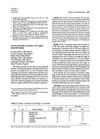
April 1991 in “Journal of The American Academy of Dermatology” Minoxidil solution can cause skin irritation and allergies in some users.
 46 citations
,
April 1977 in “Southern Medical Journal”
46 citations
,
April 1977 in “Southern Medical Journal” Minoxidil causes excessive hair growth, but depilatory agent removes it safely and effectively.
 1 citations
,
April 2017 in “Journal of Investigative Dermatology”
1 citations
,
April 2017 in “Journal of Investigative Dermatology” Higher minoxidil dose helps hair growth in non-responders without side effects.
26 citations
,
June 1988 in “PubMed” 3% topical minoxidil is ineffective for severe chronic alopecia areata.
13 citations
,
March 1983 in “International Journal of Dermatology” Minoxidil caused red hair to grow on a man's temples.
 149 citations
,
March 2004 in “Journal of Dermatological Science”
149 citations
,
March 2004 in “Journal of Dermatological Science” Minoxidil boosts hair growth by increasing cell production and survival.
September 2024 in “Dermatology Online Journal” Facial hair growth from minoxidil stopped after she quit using it.