
Oral minoxidil is as effective and safe as topical minoxidil for treating female pattern hair loss.
 April 2016 in “Journal of Investigative Dermatology” April 2023 in “Asian Medical Journal and Alternative Medicine”
 2% minoxidil speeds up nail growth more than 5% minoxidil and is safe.
 5 citations
,
April 2021 in “Frontiers in Pharmacology”
5 citations
,
April 2021 in “Frontiers in Pharmacology” Using minoxidil-coated microbubbles with ultrasound significantly boosts hair growth.
 May 2013 in “Reactions Weekly”
 Using minoxidil can cause severe skin reactions in some people.
 102 citations
,
September 1977 in “The Lancet”
102 citations
,
September 1977 in “The Lancet” Minoxidil with propranolol and diuretics lowers blood pressure but causes fluid retention and hair growth.
1 citations
,
November 2022 in “Aaps Pharmscitech”  July 2024 in “International Journal of Dermatology Venereology and Leprosy Sciences”
 Minoxidil can help regrow hair in people with alopecia areata.
 102 citations
,
February 2008 in “The FASEB Journal”
102 citations
,
February 2008 in “The FASEB Journal” One minoxidil-sensitive potassium channel exists in human hair follicles.
 September 2025 in “Journal of the American Academy of Dermatology”
 Both 2.5 mg and 5 mg doses of oral minoxidil are effective for hair regrowth in men with hair loss.
 21 citations
,
September 1977 in “Journal of Pharmaceutical Sciences”
21 citations
,
September 1977 in “Journal of Pharmaceutical Sciences” Minoxidil levels measured in human blood.
 6 citations
,
September 1988 in “Drug intelligence & clinical pharmacy”
6 citations
,
September 1988 in “Drug intelligence & clinical pharmacy” Minoxidil caused a severe rash in a patient, which improved after stopping the drug.
 19 citations
,
December 1985 in “Journal of The American Academy of Dermatology”
19 citations
,
December 1985 in “Journal of The American Academy of Dermatology” Minoxidil can cause scalp comedones and acne.
 August 2011 in “Faculty Opinions – Post-Publication Peer Review of the Biomedical Literature”
 5% minoxidil foam used once daily is as effective as 2% minoxidil solution used twice daily for hair loss in women, but with fewer side effects like itching and dandruff.
 December 2025 in “Zenodo (CERN European Organization for Nuclear Research)”
 Combining minoxidil with microneedling leads to better hair regrowth than using minoxidil alone.
2 citations
,
June 2025 in “Journal of the American Academy of Dermatology”  June 2025 in “Journal of Cosmetic Dermatology”
 Dutasteride 0.5 mg/day is the most effective treatment for male pattern hair loss.
13 citations
,
January 1987 in “Dermatology” Minoxidil sulfate relaxes blood vessels by increasing potassium permeability.
18 citations
,
January 1976 in “Clinical Science” Minoxidil effectively lowers severe high blood pressure but may cause side effects like increased hair growth.
 August 2018 in “Reactions Weekly”
 A woman had an allergic skin reaction to a hair loss treatment called minoxidil.
August 2023 in “Asian Journal of Medical Sciences” Microneedling with minoxidil is more effective for hair growth than with multivitamins.
Scalp med(R) effectively and safely improves hair count and thickness in men with androgenetic alopecia.
 January 2014 in “Anales Médicos de la Asociación Médica del Centro Médico ABC”
 The combination of oral finasteride and dutasteride with topical minoxidil effectively promotes new hair growth in most people, with minimal side effects.
 January 2025 in “Journal of the American Academy of Dermatology”
 Low-dose oral minoxidil alone is effective for treating hair loss, but combining it with dutasteride or finasteride may offer better results.
 2 citations
,
October 2020 in “Dermatologic Therapy”
2 citations
,
October 2020 in “Dermatologic Therapy” Herbal solution improves hair diameter and density more than 5% minoxidil for androgenetic alopecia.
 May 2024 in “Clinical, cosmetic and investigational dermatology”
 5% topical minoxidil effectively treated a boy's congenital triangular alopecia without side effects.
 90 citations
,
May 1972 in “Clinical Pharmacology & Therapeutics”
90 citations
,
May 1972 in “Clinical Pharmacology & Therapeutics” Minoxidil quickly leaves blood, turns into urine metabolites, and has lasting blood pressure-lowering effects.
 38 citations
,
June 2005 in “Contact Dermatitis”
38 citations
,
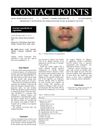
June 2005 in “Contact Dermatitis” Patient had scalp allergy from minoxidil; test helped identify cause and suggest alternative treatments.
January 2025 in “Open Science Framework” Different minoxidil formulations may vary in effectiveness for treating hair loss.