 November 2023 in “Cell Proliferation”
 A protein from fat-derived stem cells, DKK1, is linked to hair loss and blocking it may help treat alopecia areata.
October 2017 in “Institutional Repositories DataBase (IRDB)” Polyacetylene compounds from Panax ginseng may slow hair growth.
16 citations
,
November 2018 in “The journal of pain/Journal of pain” 14,15-EET may help reduce poststroke pain by affecting certain brain proteins.
8 citations
,
August 2023 in “Journal of Investigative Dermatology” Corin speeds up wound healing by helping skin cells move and grow.
 8 citations
,
May 2017 in “Current traditional medicine”
8 citations
,
May 2017 in “Current traditional medicine” Stinging nettle has compounds that help with joint pain, arthritis, and prostate issues.
 16 citations
,
March 2013 in “JAMA Dermatology”
16 citations
,
March 2013 in “JAMA Dermatology” A cancer drug called nilotinib might cause hair loss due to inflammation around hair follicles.
 2 citations
,
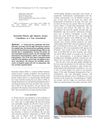
September 2011 in “Pediatric Dermatology”
2 citations
,
September 2011 in “Pediatric Dermatology” The document suggests there might be a link between Kawasaki Disease and Alopecia Areata that needs more research.
Crinum asiaticum extract and norgalanthamine may promote hair growth by blocking an enzyme linked to hair loss and a pathway that stops hair growth.
 January 2025 in “Journal of Materials Chemistry B”
 A new treatment using special microneedles and a nitric oxide-releasing drug could improve hair growth and be more convenient for people with hair loss.
 March 2026 in “JMIR Dermatology”
 Interest in JAK inhibitors for alopecia areata increased significantly after FDA approval, highlighting the need for patient education.
 7 citations
,
April 2023 in “Frontiers in immunology”
7 citations
,
April 2023 in “Frontiers in immunology” Oral baricitinib and ruxolitinib are effective and safe for treating alopecia areata.
 June 2024 in “International journal of molecular sciences”
 Adenosine complex helps increase hair thickness and density in hair loss.
 August 2025 in “Dermatology and Therapy”
 JAK inhibitors show promise for treating alopecia areata but have serious side effects.
 7 citations
,
July 2022 in “Pharmaceutics”
7 citations
,
July 2022 in “Pharmaceutics” The microneedle device with rapamycin and epigallocatechin gallate effectively promoted hair regrowth in mice.
Plasma-activated water heals diabetic wounds better than other treatments.
2 citations
,
May 2023 in “The Journal of Immunology” NXC736 significantly reduced hair loss in mice with alopecia areata.
19 citations
,
September 2023 in “Journal of Biomedical Science” Photobiomodulation may help heal diabetic wounds, but more research is needed.

A new microneedle patch helps repair spinal cord injuries by reducing scarring and promoting nerve growth.
 April 2023 in “Journal of Investigative Dermatology”
 Treprostinil, a drug, can delay wound healing in healthy cells but doesn't affect diabetic foot ulcer cells, suggesting further research could help understand its role in treating these ulcers.
 1 citations
,
May 2023 in “Biochemical and Biophysical Research Communications”
1 citations
,
May 2023 in “Biochemical and Biophysical Research Communications” Blocking DKK1 with siRNA can improve hair growth.
 November 2021 in “Research Square (Research Square)”
 A 532 nm laser at 15 J/cm2 speeds up tendon healing by increasing tendon stem cell growth and tendon-related gene activity.
 December 2022 in “Small methods”
 A new hair loss treatment using dissolving microneedles was found to speed up hair growth and was more effective than daily use of common hair growth drugs.
2 citations
,
March 2026 in “Journal of Dermatological Treatment” JAK inhibitors for alopecia areata have different safety risks, requiring specific monitoring for each drug.
 September 2023 in “International journal of biological macromolecules”
 The chitosan/PDRN polyplex improved wound healing in diabetic rats.
8 citations
,
July 2024 in “Journal of Advanced Research” CDK inhibitors may help treat ARDS and psoriasis but need more testing for safety and effectiveness.
The zinc-doped nanocomposite helps heal bone tissue effectively.
23 citations
,
October 2024 in “British Journal of Dermatology” Ritlecitinib effectively treats alopecia areata and is safe for long-term use in people 12 and older.
 76 citations
,
May 2011 in “Cell death and differentiation”
76 citations
,
May 2011 in “Cell death and differentiation” A20 protein is crucial for normal skin and hair development.
 March 2026 in “The American Journal of Managed Care”
 JAK inhibitors can help treat alopecia areata but have risks and high costs.
January 2007 in “Frontiers in Medicine” Tofacitinib works well for treating alopecia areata, especially when combined with corticosteroids, but is less effective if the disease has lasted over 2 years.