Search
for
Sort by
Research
750-780 / 1000+ resultsresearch GLI2 Is Expressed in Normal Human Epidermis and BCC and Induces GLI1 Expression by Binding to its Promoter
GLI2 activates GLI1, promoting skin tumor growth and hair development.
research NEMESIS - EXAMPLE OF OPEN ACCESS JOURNAL PROMOTING NEGATIVE RESULTS IN SCHOLARLY PUBLICATIONS
Nemesis journal highlights the value of negative results in science and offers free access to all.
research 蜂毒藥鍼療法에 의한 발모관련 인자들의 발현에 대한 연구
Bee venom acupuncture therapy can promote hair growth and may help treat hair loss.
research Issue Information
research Issue Information
research Issue Information
research Issue Information
research Issue Information
research Issue Information
research Issue Information

research Basal Cell Carcinoma of the Head and Neck Region: A Retrospective Analysis of Completely Excised 331 Cases
Most people with basal cell carcinoma on their head or neck were 60-70 years old, and it often came back even after being fully removed, especially in certain areas and types.
research Controlled Release of the α-Tocopherol-Derived Metabolite α-13′-Carboxychromanol from Bacterial Nanocellulose Wound Cover Improves Wound Healing
Wound covers with α-13'-COOH from vitamin E can improve and speed up wound healing.
research Exploiting Unique Features of Microneedles to Modulate Immunity
Microneedles offer a promising, painless, and efficient way to deliver vaccines and therapies directly to the skin.
research Reproduction of the human relevant potency threshold (HRPT) for estrogen receptor alpha agonism in an inference performance screen for ICCVAM’s regulatory scientific confidence framework
A new method effectively predicts estrogen-related health effects for early screening.
research Netherton's syndrome: A syndrome of elevated IgE and characteristic skin and hair findings
Netherton's syndrome is linked to high IgE levels and unique skin and hair symptoms, and may improve with ammonium lactate lotion and allergy management.

research H11 More cancer, better counting or better at diagnosis? The history of skin cancer registration
High-quality data on skin cancer is crucial for understanding its trends and allocating healthcare resources effectively.
research Comparative trail on efficacy of topical contact immunotherapy with dinitrochlorobenzene and diphenylcyclopropenone in alopecia areata
Diphenylcyclopropenone is more effective and has fewer side effects than dinitrochlorobenzene for treating alopecia areata.
research A Homozygous Frameshift Mutation in theHOXC13Gene Underlies Pure Hair and Nail Ectodermal Dysplasia in a Syrian Family
A mutation in the HOXC13 gene causes hair and nail problems in a Syrian family.
research Expanding research and development of novel agents for the treatment and prevention of chemotherapy-induced alopecia
No FDA-approved treatments for chemotherapy-induced hair loss existed in 2006; more research was needed.

research Effects of lncRNA MTC on protein expression in skin fibroblasts of Liaoning Cashmere goat based on iTRAQ technique
lncRNA MTC affects protein levels in goat skin cells, impacting hair growth.
research Molecular Targeted Agents and Biologic Therapies for Non-small Cell Lung Cancer
New treatments for non-small cell lung cancer are being tested, with some already in use, focusing on immune response and targeting cancer cells, but side effects vary.
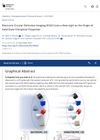
research Electronic Circular Dichroism Imaging (ECD i ) Casts a New Light on the Origin of Solid‐State Chiroptical Properties
The research found that the properties of solid-state Electronic Circular Dichroism (ss-ECD) are influenced by the orientation of local crystals, which could help in examining and mapping chiral materials like pharmaceutical ingredients.
research FOXN1 Is Critical for Onycholemmal Terminal Differentiation in Nude (Foxn1nu) Mice
The Foxn1 gene is essential for normal nail and hair development.

research Supplementary Material for: Immunotherapy-Induced Scarring Alopecia: A Case Series
Immune therapy for cancer can cause rare hair loss but doesn't stop treatment success.
research Formulation and clinical evaluation of niosomal methylene blue for successful treatment of acne
Niosomal methylene blue gel effectively improves moderate to severe acne.
research Miami Hair Loss Replacement Clinic
research Formulation and Evaluation of PLGA Nanoparticulate-Based Microneedle System for Potential Treatment of Neurological Diseases
The microneedle system shows promise for non-invasive brain drug delivery.

research 131 Mutational landscape of extramammary Paget disease
The document concludes that ERBB2 mutations are common in extramammary Paget disease and may respond to systemic treatments like cancer immunotherapy.
research Nevus Sebaceous
Nevus sebaceous is identified by unique skin changes, including thickened skin, fewer hair follicles, and many sebaceous glands.