21 citations
,
January 1999 in “Molecular and Cellular Biochemistry” Niacin deficiency makes rats more sensitive to cancer-causing chemicals.
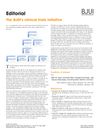 March 2017 in “BJU international”
 The BJUI supports clinical trials as key for unbiased medical evidence and works to enhance their design, reporting, and discussion.
February 2024 in “Frontiers in Cell and Developmental Biology” Eribulin-based chemotherapy is more effective and has fewer side effects for advanced triple-negative breast cancer.
May 2011 in “Utrecht University Repository (Utrecht University)” The nicotinamide supplement did not reduce symptoms in horses with insect bite hypersensitivity.
11 citations
,
November 2022 in “Frontiers in Oncology” Research on non-muscle invasive bladder cancer has increased, with the U.S. leading, and highlights effective treatments like BCG despite some side effects.
 9 citations
,
March 2022 in “Journal of radiation research”
9 citations
,
March 2022 in “Journal of radiation research” Boron neutron capture therapy for head and neck cancer can cause side effects like mouth sores and skin irritation, which vary depending on where the treatment is aimed.
EMTV news harms nation-building in Papua New Guinea by promoting Western values and negative stories, creating a biased and divisive cultural image.
146 citations
,
February 2012 in “Journal of Clinical Investigation” Blocking Hedgehog signaling offers new treatment options for advanced basal cell carcinoma.
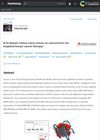 January 2025 in “Nanoscale”
 Boron/nitrogen-doped carbon nano-onions improve targeted breast cancer treatment by enhancing drug delivery and reducing side effects.
 25 citations
,
August 2010 in “Journal of Biological Chemistry”
25 citations
,
August 2010 in “Journal of Biological Chemistry” Nuclear Factor I-C is important for controlling hair growth by affecting the TGF-β1 pathway.
78 citations
,
January 2013 in “Brachytherapy” HDR electronic brachytherapy effectively treats nonmelanoma skin cancer with good cosmetic results and minimal side effects.
21 citations
,
April 2008 in “Toxicologic Pathology” CI-1033 causes skin lesions in rats, similar to humans, due to EGF receptor inhibition.
 November 2023 in “Research Square (Research Square)”
 NIR-II imaging effectively tracked stem cells that helped repair facial nerve defects in rats.
March 2026 in “Zenodo (CERN European Organization for Nuclear Research)” March 2026 in “Zenodo (CERN European Organization for Nuclear Research)” November 2022 in “Journal of Investigative Dermatology” ILC1-like cells can cause alopecia areata by themselves.
6 citations
,
December 2021 in “Journal of Cancer Research and Therapeutics” The treatment improved survival and controlled cancer spread but required managing side effects like rashes.
20 citations
,
March 2014 in “Molecular Endocrinology” NFIB and STAT5 work together to control specific genetic programs in cells.
4 citations
,
March 2023 in “Cancer Innovation” Flexible bioelectronics show promise in non-invasive cancer detection and treatment but need improvements in stability and effectiveness.
April 2018 in “DSpace@MIT (Massachusetts Institute of Technology)” Nephronectin is linked to worse outcomes in breast cancer and helps cancer spread.
 April 2016 in “Journal of The American Academy of Dermatology”
 Using a niacinamide cream can improve life quality for breast cancer patients during chemotherapy.
13 citations
,
January 2020 in “Annals of Oncology” Cryotherapy and compression therapy might help prevent chemotherapy nerve damage, but more research is needed.
 1 citations
,
November 2001 in “Acc Current Journal Review”
1 citations
,
November 2001 in “Acc Current Journal Review” Electron Beam Tomography (EBT) is a useful additional test to stress testing for detecting heart disease.
October 2024 in “Endocrinology Insights” The Bethesda system is effective for identifying thyroid cancer but has low sensitivity.
 24 citations
,
February 2015 in “Experimental Cell Research”
24 citations
,
February 2015 in “Experimental Cell Research” NFIC helps human dental stem cells grow and become tooth-like cells.
7 citations
,
June 2018 in “Cryobiology” Freezing nitrogen ethanol composite is safer than liquid nitrogen for treating musculoskeletal tumors.
44 citations
,
September 2011 in “Journal of Pediatric Gastroenterology and Nutrition” NISCH syndrome is a rare genetic disorder affecting skin and liver, with variable symptoms and limited treatment options.
July 2024 in “Journal of Investigative Dermatology” A new test helps find drugs to treat head and neck cancer by targeting c-Rel.
 April 2023 in “The journal of investigative dermatology/Journal of investigative dermatology”
 Removing UBE2N from skin cells causes inflammation and immune response, which can be lessened with specific inhibitors.
 November 2018 in “Annals of oncology”
 A scalp-cooling system effectively prevents hair loss in breast cancer patients treated with eribulin.