 2 citations
,
January 2007 in “Journal of The American Academy of Dermatology”
2 citations
,
January 2007 in “Journal of The American Academy of Dermatology” Red and infrared light therapy improves hair growth in balding patients.
 2 citations
,
January 2005 in “Journal of Cosmetic and Laser Therapy”
2 citations
,
January 2005 in “Journal of Cosmetic and Laser Therapy” New cosmetic treatments for acne, hair loss, cellulite, wrinkles, and skin resurfacing are effective.
 December 2023 in “Lasers in Medical Science”
 Fractionated laser therapy, especially erbium-glass laser, effectively increases hair thickness in people with hair loss but doesn't increase the number of hairs.
57 citations
,
December 2011 in “Lasers in Surgery and Medicine” Selective photothermolysis can target sebaceous glands and may treat acne effectively.
 July 2026 in “Journal of Nanobiotechnology”
 The hydrogel helps treat hair loss by reducing harmful molecules and improving blood flow to hair follicles.
15 citations
,
September 2014 in “Dermatologic surgery” Diode laser removes hair better but is more painful than intense pulsed light.
 47 citations
,
April 2016 in “Lasers in Surgery and Medicine”
47 citations
,
April 2016 in “Lasers in Surgery and Medicine” Low-level laser therapy may improve hair regrowth and thickness for androgenetic alopecia, but more research is needed.
 29 citations
,
April 2019 in “Lasers in Medical Science”
29 citations
,
April 2019 in “Lasers in Medical Science” Laser and minoxidil combo promotes better hair growth than minoxidil alone, safely.
September 2025 in “Acta Medica International” The triple wavelength laser is effective, safe, and well-tolerated for hair reduction in Indian women.
24 citations
,
January 2013 in “Lasers in medical science” The fractional ultrapulse CO2 laser is a safe and effective non-surgical treatment for upper eyelid issues and brow lifting.
October 2022 in “Journal of Drugs in Dermatology” Combining PRP and laser treatments improves hair density best for androgenetic alopecia.
11 citations
,
January 2022 in “Journal of Healthcare Engineering” The combined treatment is more effective and safer for improving sunken acne scars.
Low-level laser therapy is a safe, painless method that effectively treats acne and improves skin without post-treatment care.
35 citations
,
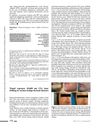
October 2003 in “Dermatologic clinics” Laser therapy on darker skin has higher risks and needs expert handling.
 1 citations
,
July 2015 in “European Journal of Dermatology”
1 citations
,
July 2015 in “European Journal of Dermatology” CO₂ laser treatment is fast and effective for some benign skin tumors with minimal side effects.
 10 citations
,
January 2007 in “Journal of cosmetic and laser therapy”
10 citations
,
January 2007 in “Journal of cosmetic and laser therapy” The IPL device is safe, effective, and has high patient satisfaction for hair removal.
 16 citations
,
April 2015 in “Lasers in Surgery and Medicine”
16 citations
,
April 2015 in “Lasers in Surgery and Medicine” Using a fractional laser can stimulate hair growth, but the intensity and duration of inflammation are crucial. Too much can cause ulcers and scarring. Lower beam energy and fewer treatments are recommended to avoid damage.
Fractional laser resurfacing is effective for skin conditions, has lasting results, quick recovery, and is safe but requires careful consideration of risks.
5 citations
,
August 2022 in “Mediators of Inflammation” Combining Pulsed Dye Laser with Pingyangmycin is effective and safe for treating acne scars.
1 citations
,
May 2017 in “Journal of cosmetic and laser therapy” Lasers can help reduce skin side effects from cancer treatment.
14 citations
,
May 2006 in “Clinical obstetrics and gynecology” Laser hair removal shows promising short-term results but isn't yet permanent.
 15 citations
,
July 2019 in “Lasers in surgery and medicine”
15 citations
,
July 2019 in “Lasers in surgery and medicine” The erbium-glass laser effectively promotes hair regrowth in alopecia areata.
January 2026 in “Dermatologic Therapy” Low-level laser therapy is a safe and effective long-term treatment for hair loss, improving hair density and thickness.
 July 2025 in “Lasers in Surgery and Medicine”
 Non-ablative fractional laser treatment safely improves hair growth and scalp appearance.
April 2025 in “Asian Journal of Surgery” 21 citations
,
March 2020 in “Journal of lasers in medical sciences” Diode laser hair removal is effective and safe, but side effects vary by ethnicity and treatment number.
 19 citations
,
September 2011 in “Seminars in Cutaneous Medicine and Surgery”
19 citations
,
September 2011 in “Seminars in Cutaneous Medicine and Surgery” At-home laser and light skin devices are less effective than professional ones, with limited scientific evaluation, but some show promise for wrinkles, hair growth, and acne.
 1 citations
,
June 2024 in “JMIR Dermatology”
1 citations
,
June 2024 in “JMIR Dermatology” 675 nm laser therapy effectively improves hair growth and density in AGA patients.
 47 citations
,
August 2011 in “Journal of The European Academy of Dermatology and Venereology”
47 citations
,
August 2011 in “Journal of The European Academy of Dermatology and Venereology” Laser treatment increases hair density and thickness safely in women with hair loss.
March 2003 in “International Society of Hair Restoration Surgery” Lasers are now less popular for hair restoration.