 April 2018 in “Journal of Investigative Dermatology”
 The research found that blocking a gene called NEMO can potentially prevent harmful effects of aging at the cellular level.
 5 citations
,
February 2011 in “Aesthetic Plastic Surgery”
5 citations
,
February 2011 in “Aesthetic Plastic Surgery” The new technique for repositioning lower eyelid fat with a midface lift is easier, faster, and has better results with fewer complications.
1 citations
,
April 2024 in “The Journal of Dermatology” Untreated epidermolysis bullosa acquisita can cause total hair and nail loss.

Newly designed proteins can effectively degrade specific proteins in cells, offering a potential new therapy method.
PTHrP is important for bone formation and may be targeted for osteoporosis treatment and longevity therapies.
 6 citations
,
July 2013 in “Archives of Plastic Surgery”
6 citations
,
July 2013 in “Archives of Plastic Surgery” Using thigh skin, doctors successfully rebuilt a woman's scalp after removing a large tumor, with no tumor return after 8 months.
 May 2020 in “JOJ Dermatology & Cosmetics”
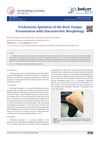
 A rare skin condition usually on the face was found on a man's heel.
 11 citations
,
September 2005 in “International Wound Journal”
11 citations
,
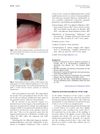
September 2005 in “International Wound Journal” A woman developed severe skin damage after using a blood thinner called low-molecular-weight heparin.
 13 citations
,
August 2012 in “Journal of the American Academy of Dermatology”
13 citations
,
August 2012 in “Journal of the American Academy of Dermatology” A rare scalp condition causing hair loss and cysts in young men can be treated effectively with a specific steroid injection.
January 2012 in “The Year book of dermatology”  July 2022 in “The journal of investigative dermatology/Journal of investigative dermatology”
 A patient with a PLEC mutation has epidermolysis bullosa, muscular dystrophy, and myasthenia gravis, which improved with steroid treatment.
40 citations
,
November 2005 in “The journal of investigative dermatology/Journal of investigative dermatology” Different melanocyte types in hair follicles either survive or die during the catagen phase.
1 citations
,
April 2025 in “Clinical Cosmetic and Investigational Dermatology” A rare skin lesion in a 64-year-old woman was successfully treated with a laser, showing minimal redness and no return after one month.
72 citations
,
November 2000 in “Archives of Dermatology” Excision with primary closure is an excellent treatment for extensive acne keloidalis nuchae.
Children with Parry Romberg Syndrome had successful facial fat-grafting surgeries after disease stabilization with no complications.
September 2025 in “Development” Nelfb is crucial for forming skin fat tissue by regulating genes needed for fat cell development.
 February 2025 in “Veterinary Clinical Pathology”
 The ferret had a malignant apocrine gland tumor and did not survive surgery.
1 citations
,
April 2022 in “Journal of cosmetic dermatology” Krox20 overexpression in fibroblasts may play a role in abnormal scar formation and could be a target for new treatments.
3 citations
,
January 2002 in “Actas Dermo-Sifiliográficas” Excessive minoxidil use can damage hair structure.
 September 2016 in “Archives of Pediatric Infectious Diseases”
 A young girl developed serious bone inflammation in her skull after a skin graft, which is a rare but severe condition.
2 citations
,
July 2015 in “Journal of Dr. YSR University of Health Sciences.” A young woman with skin issues and weight loss improved after treating her pancreatitis and using skin treatments.
66 citations
,
October 2002 in “Human molecular genetics online/Human molecular genetics” A gene mutation in mice causes skin defects and early death.
 April 2023 in “Acta Scientific Orthopaedics”
 The essay suggests hair loss might be caused by changes in skull bones.
October 2021 in “The journal of investigative dermatology/Journal of investigative dermatology” Blocking cell death in hair follicles can lead to impaired hair growth.
1 citations
,
August 2021 A young girl had a rare neck cyst removed and needs careful monitoring for related health issues.
1 citations
,
October 2023 in “The Laryngoscope” The procedure effectively removes forehead osteomas with minimal scarring and no complications.
38 citations
,
June 2005 in “International Journal of Dermatology” A man with nevus comedonicus syndrome had multiple skin issues, including basal cell carcinomas, which improved with treatment.
March 2021 in “Der Hautarzt” Neuroendocrine paraneoplastic syndromes often show skin changes, helping early diagnosis and requiring a team approach for best care.
14 citations
,
June 1989 in “Journal of dermatology” Three siblings had both Vohwinkel's disease and congenital alopecia, with no effective treatment.