 12 citations
,
October 2020 in “Scientific Reports”
12 citations
,
October 2020 in “Scientific Reports” Necrostatin-1s can promote hair growth and may help treat hair loss.
 February 2025 in “International Journal of Molecular Sciences”
 RIPK1 inhibitors may help prevent alopecia areata by reducing immune cell activity.
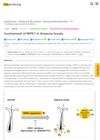
RIPK1 inhibitors might help prevent alopecia areata.
5 citations
,
January 2025 in “Science Advances” 5α-reductase 2 is crucial for stress response in male rats.
Alopesi tedavisinde ilaçlar saç büyümesini teşvik eder ve yeni yaklaşımlar umut vaat eder.
 February 2026 in “Cosmetics”
 Milk-derived exosomes may help treat hair loss by boosting hair follicle growth.
 April 2025 in “International Journal of Molecular Sciences”
 New treatments for hair loss show promise with advanced therapies and better targeting.
 April 2025 in “Journal of Investigative Dermatology”
 High LH levels cause hair loss by damaging and aging hair follicles.
 12 citations
,
August 2022 in “Biochemical Journal”
12 citations
,
August 2022 in “Biochemical Journal” Different types of cell death affect skin health and inflammation, and understanding them could improve treatments for skin diseases.
December 2024 in “European journal of medical research” 3 citations
,
October 2019 in “EMBO molecular medicine” Targeting NCoR1 can help treat heart enlargement and dysfunction.
14 citations
,
August 2014 in “The FASEB Journal” CAP1/Prss8 does not activate PAR2 or inhibit PN-1.
37 citations
,
December 1995 in “Journal of Cell Science” Nexin 1 may help control hair growth.
July 2025 in “Journal of Investigative Dermatology” Resident memory T cells and necroptosis may drive fibrosis in eosinophilic fasciitis and morphea.
 April 2023 in “Journal of Investigative Dermatology”
 Using DNase enzymes to break down harmful NETs could be a new treatment for Stevens-Johnson syndrome and toxic epidermal necrolysis.
July 2024 in “Journal of Investigative Dermatology” Baicalin may help treat severe drug-induced skin reactions.
 11 citations
,
August 2019 in “Journal of Molecular Histology”
11 citations
,
August 2019 in “Journal of Molecular Histology” NFIC helps rat dental cells grow and turn into bone-like cells.
July 2026 in “Journal of Enzyme Inhibition and Medicinal Chemistry” Improved CRBN ligands make protein degraders more effective and drug-like.
10 citations
,
October 2018 in “Journal of molecular and cellular cardiology/Journal of Molecular and Cellular Cardiology” The gene NM_026333 slows down aging by affecting the NCX1 pathway and could be targeted for anti-aging treatments.
April 2023 in “Journal of Investigative Dermatology” RNase L suppresses regeneration in mammals.
 April 2024 in “BMB Reports”
 Lack of Cisd2 disrupts calcium balance in cells, leading to poorly functioning neutrophils.
91 citations
,
December 2019 in “The EMBO Journal” NEDD4 and NEDD4L help control intestinal stem cells and prevent tumors by breaking down the LGR5 receptor.

Newly designed proteins can effectively degrade specific proteins in cells, offering a promising alternative for targeted protein degradation.
88 citations
,
August 2014 in “PLOS genetics” Syndecan-1 is essential for maintaining skin fat and preventing cold stress.
 March 1998 in “Journal of dermatological science”
 Protease Nexin-1 is found in human hair growth cells and is affected by male hormones.
43 citations
,
January 1999 in “Endocrinology” Cortisol increases a specific protein in bone cells, which may help explain its negative effects on bone.
2 citations
,
April 2024 in “Journal of Dermatological Science” Necrosulfonamide helps hair grow by blocking a protein linked to hair loss.
 27 citations
,
September 1999 in “Journal of Investigative Dermatology”
27 citations
,
September 1999 in “Journal of Investigative Dermatology” Human skin cells contain Protease Nexin-1, and male hormones can decrease its levels, potentially affecting hair growth.
 1 citations
,
April 2016 in “Journal of Investigative Dermatology”
1 citations
,
April 2016 in “Journal of Investigative Dermatology” NLRP1 helps melanoma tumors grow by boosting inflammasome activation and reducing caspase-3 activity.
1 citations
,
April 1998 in “PubMed” Nexin 1 helps control hair growth in young rats.