 June 2021 in “International Journal of Ayurveda and Pharma Research”
 Moorvadi choornam may help reduce chemotherapy side effects.
31 citations
,
January 1989 in “The Prostate/The prostate” Estradiol and castration reduced prostate cancer development in rats when applied at early stages, but were ineffective after cancer was established.
1 citations
,
January 2012 in “Türk jinekoloji ve obstetrik derneði dergisi/Türk Jinekoloji ve Obstetrik Derneği dergisi” Most patients experienced significant but reversible hair loss during treatment.
 65 citations
,
February 2015 in “Neuro-Oncology”
65 citations
,
February 2015 in “Neuro-Oncology” Alisertib was found to be an effective and tolerable treatment for children with recurrent brain tumors.
8 citations
,
January 1977 in “Acta Haematologica” The treatment was effective for advanced non-Hodgkin's lymphomas.
September 2017 in “Pure and Applied Biology” Chemotherapy and radiotherapy improved quality of life and reduced symptoms in lung cancer patients.
 25 citations
,
February 2017 in “Anticancer Research/Anticancer research”
25 citations
,
February 2017 in “Anticancer Research/Anticancer research” Ozone therapy might improve cancer treatment and reduce its side effects.
 November 2025 in “Eurasian journal of applied biotechnology”
 Combining L-cysteine, NAC, and a MET inhibitor significantly kills cervical cancer cells.
June 2018 in “Dermatologic Surgery”  November 2020 in “Journal of The American Academy of Dermatology”
 Certain immune markers may predict chemotherapy response in mesothelioma, and nivolumab is a tolerable and effective treatment for advanced non-small cell lung cancer.
March 2005 in “The Nurse Practitioner” 4 citations
,
April 2020 in “Reports of Practical Oncology & Radiotherapy” Prostate cancer patients need early psychological and sexual support during radiotherapy to improve their quality of life.
March 2026 in “JCEM Case Reports” Surgery removed ovarian tumors, normalizing testosterone and improving symptoms.
 May 1993 in “Drugs & Therapy Perspectives”
 Formestane is a preferred second-line treatment for advanced breast cancer in postmenopausal women because it's effective and has fewer side effects.
24 citations
,
June 2013 in “Expert opinion on pharmacotherapy” Dutasteride effectively treats benign prostatic hyperplasia but isn't approved for preventing prostate cancer.
22 citations
,
November 2002 in “Clinical journal of oncology nursing” Arsenic trioxide effectively treats relapsed acute promyelocytic leukemia with manageable side effects.
Chemotherapy and radiotherapy do not significantly affect obstructive sleep apnea development.
1 citations
,
July 2012 in “Prostate Cancer and Prostatic Diseases” 2 citations
,
October 2020 in “Annals of Oncology” Androgen deprivation therapy might help prevent severe COVID-19, but more research is needed.
 1 citations
,
August 2019 in “Biomedical Journal of Scientific & Technical Research”
1 citations
,
August 2019 in “Biomedical Journal of Scientific & Technical Research” Early detection of chemotherapy side effects allows treatment adjustments, improving patient outcomes.
April 2026 in “UNC Libraries” Pulsed electric field treatment may help shrink untreated liver tumors.
 9 citations
,
April 2018 in “JAMA Dermatology”
9 citations
,
April 2018 in “JAMA Dermatology” Topical minoxidil improves hair loss in 80% of women with breast cancer undergoing endocrine therapy.
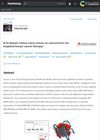 January 2025 in “Nanoscale”
 Boron/nitrogen-doped carbon nano-onions improve targeted breast cancer treatment by enhancing drug delivery and reducing side effects.
Alternative therapies like mushrooms and vinegar extracts can improve health and reduce costs for breast cancer patients.
March 2009 in “European Urology Supplements” Ayurvedic treatment may improve quality of life for cancer patients undergoing chemo and radiotherapy.
6 citations
,
August 2020 in “Oncology nursing forum” Minocycline reduces acne rash, pyridoxine lowers hand-foot syndrome risk, and scalp cooling lessens hair loss from cancer treatments.
 June 2026 in “International Journal of Molecular Sciences”
 Targeting the Warburg effect in anaplastic thyroid carcinoma may reduce tumor growth and improve treatment.
January 2021 in “Annals of translational medicine” YH0618 helped reduce skin and nail problems and fatigue in chemotherapy patients.
 June 2024 in “ESMO Gastrointestinal Oncology”
 The combination treatment showed a higher response rate but no significant survival benefits.